I found an article on a website which lists the characteristics of thyrotropinoma (a.k.a TSH-oma, a.k.a the kind of pituitary tumour I have, which secretes thyroid-stimulating hormone) as follows:
"Thyrotropin secretion by thyrotropinomas is characterized by increased pulse frequency, delayed diurnal rhythm, enhanced basal secretion, spikiness, and disorderliness."
I deeply resent this. In fact, I am a very orderly person.
Monday, 30 April 2012

Saturday, 28 April 2012
Missing the point?
An interesting article on BBC News today about Frederick Kempster, a 'professional giant' from England who died in 1917. His longjohns are up for sale at auction, and the article looks at his unusual life - but completely fails to mention acromegaly or even the pituitary gland, noting only that Kempster suffered from "uncontrolled growth". This strikes me as a bit of a shame in a news story that has the potential to significantly raise awareness of acromegaly. I'm sure that plenty of people reading these articles who've never heard of the condition are wondering exactly what could cause someone to grow so tall, and it seems a shame that the journalist neglected to look into it.


Thursday, 26 April 2012
Le Meme

Of course, even if you actually have a brain tumor, the NHS will refuse to pay for a rocket to aim at your head. These budget cuts have gone too far.
Top Tips for People About to Have Pituitary Surgery
Before going into hospital for your transsphenoidal pituitary surgery, you will be anxious. You will have questions. Many of them will be answered on legitimate medical sites elsewhere on the internet, so instead of regurgitating the same old advice ("Don't sneeze after surgery or your brain will shoot out of your nose", "Warning: after they've drilled through your head, it may be a little sore"), I have decided I will go down a different route, and write down the more obscure things that I wish I'd known before heading into hospital.
Consequently, I present my top tips for people about to have pituitary surgery:
1. Shave your inside elbows.
"She's gone mad," I hear you cry. "She's raving. It was probably the brain surgery that did it."
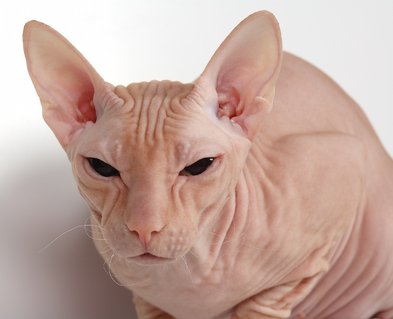
In fact, this is an entirely logical step because of all the blood tests you'll undergo after your pituitary surgery; you're basically going to be a human pincushion for a couple of days as the doctors seek to keep a very close watch on various hormone levels. This means that the post-blood-test strip of tape and cotton wool that the phlebotomist sticks over your inside elbow is going to get ripped off repeatedly, and then stuck back on. And then ripped off again, along with much of your arm hair. After the sixth time this happens in one day, you'll be wishing you looked like this.
2. Drink enough.
If this seems obvious to you, then presumably you're a normal person who gets thirsty when you haven't drunk sufficient amounts of water to keep yourself hydrated. However, I am an odd sort of person and I only really get thirsty when it's hot or I've done exercise. If neither of those conditions have been met then I can go for hours and hours without drinking and not even notice; even back when I was a teeny child, my mum would tell me off for not drinking enough.
Compounded with the fact that I don't like water, this was slightly problematic in hospital. Because of the risk of pituitary surgery inducing diabetes insipidus, your fluid balance is monitored carefully and if you're not drinking enough to keep yourself hydrated, they will put you on a drip. This is rubbish. Therefore if you don't like water, keep a supply of tastier drinks at hand. And by "tastier drinks", I mean RIBENA.
3. Always eat the custard first.
Hospital food gets a bad rep. The food at my hospital was pretty tasty really, and there was a good selection. But for some obscure reason the dessert was often served before the main. If you waited for your main meal to rock up before eating, your custard would congeal disconcertingly by the time you got to it.
So remember: you've just had brain surgery. Screw societal norms regarding the "correct" order in which to eat sweet or savory comestibles!
4. Make your visitors play musical chairs.
Again, this may initially seem nonsensical. But I was fortunate enough to have a fair few visitors in hospital (thank you guys! <3), which was lovely. However, for the most part they sat in the same chair on the left-hand side of my bed, and consequently by the end of my stay in hospital I had done my neck in from continually turning my head to the left. It was pretty painful and entirely my own fault. Make them alternate sides.
5. Get wheeled out in a wheelchair.
Because a) you'll be feeling rubbish and won't want to walk, and b) it's fun!
6. Steroids + morphine = surprisingly fun.
After waking up from surgery, initially I felt rubbish. The nurse at hand quickly gave me some morphine. By the time I was properly awake, I was pain-free, wired, and weirdly delighted that the nurse had the same first name as my mum. They took me out of the post-surgical care room and up to the main neurosurgical ward, and about half an hour after I woke up I was already texting various members of my friends and family and talking nineteen to the dozen about how unusually chirpy I felt.
7. Play your "brain surgery" card.
I regret not doing this more, in retrospect. I have no doubt that there are hours of fun to be had in pretending not to recognise household objects, friends, family, political systems and/or branches of philosophy.
I remember speaking to one friend a few weeks after my brain surgery, and I mentioned that I was always forgetting where I'd left my books. She gave me a sorrowful look and whispered, "Is that because of the surgery?"
It was disappointing to have to confess to her that no, I have in fact always been that stupid.
8. Get a free pill slicer. They are awesome.
After pituitary surgery you'll be put on steroid replacement medication in case the neurosurgeon accidentally removed your body's ability to make its own steroid hormone when required. Said pills can be broken into different-sized chunks so you can take, for example, a whole dose in the morning, half a pill at lunch, and the other half in the early afternoon. When I left hospital, I obviously looked too pathetic even to break a tiny pill in two, because they provided me with a pill slicer. You put the pill in, shut the lid, and SHAZAM! A razorblade hidden inside will slice that bad boy in twain.
I managed to lose my pill slicer after a couple of months, and I still haven't quite got over it.
Consequently, I present my top tips for people about to have pituitary surgery:
1. Shave your inside elbows.
"She's gone mad," I hear you cry. "She's raving. It was probably the brain surgery that did it."
In fact, this is an entirely logical step because of all the blood tests you'll undergo after your pituitary surgery; you're basically going to be a human pincushion for a couple of days as the doctors seek to keep a very close watch on various hormone levels. This means that the post-blood-test strip of tape and cotton wool that the phlebotomist sticks over your inside elbow is going to get ripped off repeatedly, and then stuck back on. And then ripped off again, along with much of your arm hair. After the sixth time this happens in one day, you'll be wishing you looked like this.
2. Drink enough.
If this seems obvious to you, then presumably you're a normal person who gets thirsty when you haven't drunk sufficient amounts of water to keep yourself hydrated. However, I am an odd sort of person and I only really get thirsty when it's hot or I've done exercise. If neither of those conditions have been met then I can go for hours and hours without drinking and not even notice; even back when I was a teeny child, my mum would tell me off for not drinking enough.
Compounded with the fact that I don't like water, this was slightly problematic in hospital. Because of the risk of pituitary surgery inducing diabetes insipidus, your fluid balance is monitored carefully and if you're not drinking enough to keep yourself hydrated, they will put you on a drip. This is rubbish. Therefore if you don't like water, keep a supply of tastier drinks at hand. And by "tastier drinks", I mean RIBENA.

3. Always eat the custard first.
Hospital food gets a bad rep. The food at my hospital was pretty tasty really, and there was a good selection. But for some obscure reason the dessert was often served before the main. If you waited for your main meal to rock up before eating, your custard would congeal disconcertingly by the time you got to it.
So remember: you've just had brain surgery. Screw societal norms regarding the "correct" order in which to eat sweet or savory comestibles!

4. Make your visitors play musical chairs.
Again, this may initially seem nonsensical. But I was fortunate enough to have a fair few visitors in hospital (thank you guys! <3), which was lovely. However, for the most part they sat in the same chair on the left-hand side of my bed, and consequently by the end of my stay in hospital I had done my neck in from continually turning my head to the left. It was pretty painful and entirely my own fault. Make them alternate sides.
5. Get wheeled out in a wheelchair.
Because a) you'll be feeling rubbish and won't want to walk, and b) it's fun!
6. Steroids + morphine = surprisingly fun.
After waking up from surgery, initially I felt rubbish. The nurse at hand quickly gave me some morphine. By the time I was properly awake, I was pain-free, wired, and weirdly delighted that the nurse had the same first name as my mum. They took me out of the post-surgical care room and up to the main neurosurgical ward, and about half an hour after I woke up I was already texting various members of my friends and family and talking nineteen to the dozen about how unusually chirpy I felt.
7. Play your "brain surgery" card.
I regret not doing this more, in retrospect. I have no doubt that there are hours of fun to be had in pretending not to recognise household objects, friends, family, political systems and/or branches of philosophy.
I remember speaking to one friend a few weeks after my brain surgery, and I mentioned that I was always forgetting where I'd left my books. She gave me a sorrowful look and whispered, "Is that because of the surgery?"
It was disappointing to have to confess to her that no, I have in fact always been that stupid.
8. Get a free pill slicer. They are awesome.
After pituitary surgery you'll be put on steroid replacement medication in case the neurosurgeon accidentally removed your body's ability to make its own steroid hormone when required. Said pills can be broken into different-sized chunks so you can take, for example, a whole dose in the morning, half a pill at lunch, and the other half in the early afternoon. When I left hospital, I obviously looked too pathetic even to break a tiny pill in two, because they provided me with a pill slicer. You put the pill in, shut the lid, and SHAZAM! A razorblade hidden inside will slice that bad boy in twain.
I managed to lose my pill slicer after a couple of months, and I still haven't quite got over it.
Tuesday, 24 April 2012
Belated: Cushing's Disease Awareness Day
So it turns out that the 8th of April was Cushing's Disease Awareness Day, and I completely missed it. Not least because it was Easter Sunday, i.e. the first day I could eat chocolate again having given it up for Lent. It does seem cruelly ironic that the awareness day for a terrible disease, a key symptom of which is central obesity, should fall on a day that the rest of the world dedicates to filling their faces with fatty treats.*
Anyway, dedicated readers of my blog already know what Cushing's Disease is, but for everyone else: Cushing's Disease is caused by a tumour, known as an adenoma, on the pituitary gland. The tumour produces high levels of adrenocorticotropic hormone (ACTH) which can result in obesity, high sweating, hair loss, hypertension, diabetes, headaches, painful joints, and other not-so-fun symptoms. Treatment is chiefly through surgery and radiotherapy, as Cushing's is difficult to treat with medication.
There's a group of bloggers who suffer from Cushing's Disease who've been doing the "Cushing's Awareness Challenge", blogging on a different topic about their illness for every day of April. You can find out more about the challenge and read some of their blog posts by clicking here.
______________________________________________
*Well, I do anyway.
Anyway, dedicated readers of my blog already know what Cushing's Disease is, but for everyone else: Cushing's Disease is caused by a tumour, known as an adenoma, on the pituitary gland. The tumour produces high levels of adrenocorticotropic hormone (ACTH) which can result in obesity, high sweating, hair loss, hypertension, diabetes, headaches, painful joints, and other not-so-fun symptoms. Treatment is chiefly through surgery and radiotherapy, as Cushing's is difficult to treat with medication.
There's a group of bloggers who suffer from Cushing's Disease who've been doing the "Cushing's Awareness Challenge", blogging on a different topic about their illness for every day of April. You can find out more about the challenge and read some of their blog posts by clicking here.
______________________________________________
*Well, I do anyway.
Monday, 23 April 2012
IMFW: Life Imitates Art
So Blogger has changed its layout and everything, which is deeply confusing to a simple soul like me. If I manage to do anything wildly stupid like posting this next April or forgetting to use a title or something, please forgive me. I am easily baffled.
Anyway: back to IMFW! Today's Interesting Medical Fact of the Week is kind of related to two of my previous interesting medical posts, which focused on face transplants. There's an interesting article on the BBC News website about the fact that the University of Lincoln is offering an art course to plastic surgeons and medical students. They work at life drawing, self portraiture and clay modelling, with a focus on the real-life application for these skills: applying them in their surgical work.
It sounds a little bizarre at first, but at second glance it does make sense. The course aims to enhance students' observational skills and their perceptions of their work, emphasizing that they should look at reconstruction from a patient's point of view as well as their own.
Despite its rather trite acronym, the name of the British Association of Aesthetic Plastic Surgeons (BAAPS...) emphasizes the importance of beauty and aesthetic in the work of plastic surgeons, something which is obviously important in purely cosmetic procedures, but equally key in reconstructive work. I know next to nothing about the training of plastic surgeons, but it would certainly be interesting to know whether surgeons who go into this specialty tend to have more of an interest in art compared to those who gravitate towards other specialisms.
A press release from the university emphasizes the historical link between art and medicine, which was far more pronounced centuries ago; it was considered that artists needed an understanding of anatomy in order to recreate the human form on canvas, while medical texts relied upon anatomical drawings produced by artists, who would often attend dissections. Vesalius's seminal work on anatomy, De humani corporis fabrica, written in 1543, incorporated anatomical illustrations from artists working in the studio of Titian. Perhaps now the link between art and medicine link is being strengthened once more.
Anyway: back to IMFW! Today's Interesting Medical Fact of the Week is kind of related to two of my previous interesting medical posts, which focused on face transplants. There's an interesting article on the BBC News website about the fact that the University of Lincoln is offering an art course to plastic surgeons and medical students. They work at life drawing, self portraiture and clay modelling, with a focus on the real-life application for these skills: applying them in their surgical work.
It sounds a little bizarre at first, but at second glance it does make sense. The course aims to enhance students' observational skills and their perceptions of their work, emphasizing that they should look at reconstruction from a patient's point of view as well as their own.
Despite its rather trite acronym, the name of the British Association of Aesthetic Plastic Surgeons (BAAPS...) emphasizes the importance of beauty and aesthetic in the work of plastic surgeons, something which is obviously important in purely cosmetic procedures, but equally key in reconstructive work. I know next to nothing about the training of plastic surgeons, but it would certainly be interesting to know whether surgeons who go into this specialty tend to have more of an interest in art compared to those who gravitate towards other specialisms.
A press release from the university emphasizes the historical link between art and medicine, which was far more pronounced centuries ago; it was considered that artists needed an understanding of anatomy in order to recreate the human form on canvas, while medical texts relied upon anatomical drawings produced by artists, who would often attend dissections. Vesalius's seminal work on anatomy, De humani corporis fabrica, written in 1543, incorporated anatomical illustrations from artists working in the studio of Titian. Perhaps now the link between art and medicine link is being strengthened once more.
Sunday, 22 April 2012
Pituitary Network Association PSA
Although I have to admit, I can't quite get over the strange American pronunciation of "pituitary".
Subscribe to:
Posts (Atom)