So before having my pituitary surgery, I went for a pre-operative assessment at the hospital, which mainly involves blood tests, sitting around in waiting rooms, and being asked lots of questions by nurses. It also involves being swabbed for MRSA.
MRSA stands for methicillin-resistant Staphylococcus aureus, which basically is any form of the Staphylococcus aureus bacteria which has evolved resistance to standard antibiotics. It's no more virulent than your standard S. aureus bacteria, just harder to treat - and many people carry it around on their skin or in their nose or throat without suffering any adverse effects.Unsurprisingly, it's very bad news in hospitals; if it infects open wounds it can cause potentially fatal blood poisoning or endocarditis. So, before you're admitted to hospital they swab you to find out if you're carrying MRSA.
So far, so standard; that all happened last time I had pituitary surgery. The difference was that this time, about twenty minutes after I'd done the swabs, a nurse dashed into the room where I was chatting to the surgeon, handed me a bottle and a piece of paper, and dashed out. Upon closer examination, it was a bottle of octenisan, which is an antimicrobial body wash used to eradicate MRSA . No-one seemed clear on whether or not I actually had MRSA on my skin or not - it was only when I got into the hospital for surgery a week later that I found out I had been MRSA negative. It seems all the neurosurgery patients had been given the body wash, as a precautionary measure.
And my god, was it a hassle. It would probably be fine for lots of people, but I own precisely two towels and two sets of bed linen, and the "eradication protocol" requires not only that you use the body wash every day, but that all linen, clothes, towels etc. are freshly laundered too. This meant a hell of a lot of laundry every time I got home in the evening; on top of which, you have to leave the body wash on your skin for at least a minute, which required quite a lot of bravery in our icy cold bathroom.
Obviously I'd much rather go through all the hassle than end up infected by MRSA, or give it to anyone else - but my word it has made me resolve to buy some more towels...
Showing posts with label medicine. Show all posts
Showing posts with label medicine. Show all posts
Tuesday, 22 January 2013

Wednesday, 9 January 2013
Ear, Nose, and Throat
When I got my appointment to see the ENT people, I learned a new word.
Not panjandrum (although that is another new word I learned recently and
haven't had the chance to trot out yet) or fissiparous (likewise), but
otolaryngology. Which, it turns out, is the proper name for Ear, Nose &
Throat. I had always vaguely wondered why other medical departments got
to use such fancy names - cardiac for heart, renal for kidney etc -
while the poor Ear, Nose and Throat people were stuck with a name that
sounds like an extended edition of the popular children's song "Heads,Shoulders, Knees and Toes". Turns out they do have a fancy name after
all. Who knew?
So I went to see the otolaryngologist. I went into his office and he asked about the problems I've had with my nose and sinuses since my first operation - I still use a nose spray twice a day because otherwise it's too painful. He was very nice, right up to the point where he announced he was going to put a camera stick up my nose.*
Firstly I had to have a topical anaesthetic, which was administered as a nose spray. It went right down my nose and numbed the back of my tongue as well, which not only felt incredibly strange but tasted revolting. Then after giving it a few minutes for the anaesthetic to work, out came the camera stick which was slowly fed into my left nostril. It wasn't too bad at first, although it was incredibly freaky to see quite a long stick disappearing into my head. I felt like one of those "human blockhead" circus sideshow acts where they hammer nails into their nose, except it was uncomfortable enough even with topical anaesthetic that I can't imagine volunteering to do it without one.
Then once the camera was at the back of my nose, the otolaryngologist started poking around more, and that was genuinely painful; it was quite hard to keep my head still and my eyes were watering. Then of course, he had to do the other nostril.
The good news was that there's nothing much wrong with my nose, although part of one of the structures inside (I cannot for the life of me remember what he called it, and Google has been no help) has ended up knocked sideways, probably from the surgery. I just have to keep using the nose spray I already take, indefinitely. It may eventually clear up, or it may not.
Then after the pituitary surgery, I'll go in to have a check up with ENT once I've healed up. After the operation I have to use a nasal wash, which sounds pretty gross - basically it involves putting saline solution up one nostril from a little pot and rinsing it around inside your nose. Eurgh. I have heard of this before, I believe it's quite common in India and Pakistan and that part of the world - I believe in Pakistan recently there was an outbreak of cases of naegleria fowleri, a particularly nasty brain-eating amoeba (no, I'm not making this up) as a result of people using water that hadn't been boiled to wash out their noses.
So the moral of the story is: boil the damn water.
Ahem.
Anyway, then I returned home to regale my housemates and boyfriend with the story in glorious technicolour detail, by which time thankfully the anaesthetic had mostly worn off and my face was starting to feel a lot more normal again.
____________________________________
* N.B. In fairness, "camera stick" is not the term he used.
So I went to see the otolaryngologist. I went into his office and he asked about the problems I've had with my nose and sinuses since my first operation - I still use a nose spray twice a day because otherwise it's too painful. He was very nice, right up to the point where he announced he was going to put a camera stick up my nose.*
Firstly I had to have a topical anaesthetic, which was administered as a nose spray. It went right down my nose and numbed the back of my tongue as well, which not only felt incredibly strange but tasted revolting. Then after giving it a few minutes for the anaesthetic to work, out came the camera stick which was slowly fed into my left nostril. It wasn't too bad at first, although it was incredibly freaky to see quite a long stick disappearing into my head. I felt like one of those "human blockhead" circus sideshow acts where they hammer nails into their nose, except it was uncomfortable enough even with topical anaesthetic that I can't imagine volunteering to do it without one.
Then once the camera was at the back of my nose, the otolaryngologist started poking around more, and that was genuinely painful; it was quite hard to keep my head still and my eyes were watering. Then of course, he had to do the other nostril.
The good news was that there's nothing much wrong with my nose, although part of one of the structures inside (I cannot for the life of me remember what he called it, and Google has been no help) has ended up knocked sideways, probably from the surgery. I just have to keep using the nose spray I already take, indefinitely. It may eventually clear up, or it may not.
Then after the pituitary surgery, I'll go in to have a check up with ENT once I've healed up. After the operation I have to use a nasal wash, which sounds pretty gross - basically it involves putting saline solution up one nostril from a little pot and rinsing it around inside your nose. Eurgh. I have heard of this before, I believe it's quite common in India and Pakistan and that part of the world - I believe in Pakistan recently there was an outbreak of cases of naegleria fowleri, a particularly nasty brain-eating amoeba (no, I'm not making this up) as a result of people using water that hadn't been boiled to wash out their noses.
So the moral of the story is: boil the damn water.
Ahem.
Anyway, then I returned home to regale my housemates and boyfriend with the story in glorious technicolour detail, by which time thankfully the anaesthetic had mostly worn off and my face was starting to feel a lot more normal again.
____________________________________
* N.B. In fairness, "camera stick" is not the term he used.
Monday, 24 December 2012
How Not To Get A Date
So there's quite a lot of catching-up to do, given that I have been a bad pituitary blogger for the past month and a half and yet quite a few highly relevant things have happened, including meeting with the neurosurgeon and Ear Nose and Throat people (who are apparently more properly called Otolaryngologists - who knew?) and finally getting a date for surgery. I shall start at the very beginning...
At the beginning of November, my next injection was due. You probably know by now that I need monthly injections of lanreotide, a somatostatin analogue, to suppress the overproduction of thyroid stimulating hormone by my pituitary tumour. These injections are delivered into my hip via the medium of a really big needle. It's so big I'm pretty sure a camel actually could pass through it.*
One of the nurses greeted me when I arrived, took my bloods and then went to get the injection. Then something happened which had never happened before.
"Would you like any freezing spray?" she asked me.
I was nonplussed. Previously, I had always associated freezing spray with childhood trips to the Irish seaside, not hospitals. I had to ask what it was.
"Oh, it's just a spray which freezes the skin before an injection," the nurse explained.
Those who know me well will know that one of the few things I like less than injections is being cold. "Sounds unpleasant," I said.
"Yes, it's quite painful," the nurse said breezily. "But some patients still prefer it."
Now at this point, I admit perhaps I should have smelled a rat. No other nurse had ever offered me freezing spray prior to one of these injections. But I wasn't worried.
Like a fool.
Most nurses, when they do this injection, hold the needle (did I mention it's massive?) against your skin and then gently press it in. Not this nurse. Instead, she opted to hold the needle some distance away from the injection site, then take a great swing and stab me with it. It was considerably more painful than usual, and I bled a lot more than normal as well.
I can see why her patients usually ask for freeze spray.
So, I promptly became the proud owner of an excitingly multi-coloured hip bruise, which lasted for three weeks before finally fading just before I was due the next injection. I actually did try to take a photo to show you all but it just came out as a blurry smoosh. For a couple of days I couldn't even lie in bed on that side without wincing.
Anyway, that anecdote was by way of being an aperitif to the main cock-up that I encountered on that trip to the hospital. While my hip was bleeding gently, one of the endocrine nurses asked if I'd heard
anything from the Neurosurgery or Ear Nose & Throat departments, who were supposed to be getting in touch with me about my impending surgery. I explained that I'd still heard nothing and that despite my attempts to call them I'd never got through to speak to an actual human being, and they'd never returned any of my messages. The nurse went off, had a look at her computer, and returned to tell me that I'd had an appointment with ENT. On the 26th October. Which was four days previously.
I also had an appointment booked in on the 5th November with Neurosurgery which I knew nothing about, and ENT had written to me to rearrange my missed appointment for the 6th November.
They'd been writing to my old address.
I still don't have the faintest idea how it happened. As soon as I moved house, I duly phoned the hospital and updated them with my new address. Not long afterwards, I received an appointment from the MRI Department at my new house. I sighed a deep sigh of relief in the happy knowledge
that my details had been successfully updated... and it never occurred to me that they might be sending appointments to my old address.
Obviously I am also slightly put out at my former housemates, who knew I was going to have surgery and who I'd asked to forward on any hospital-looking letters, or even just let me know if they arrived so that I could drop by to pick them up. But how the hospital could get it right... and then revert to getting it wrong, I have no idea. It's not the first time it's happened, either - avid readers will recall that information about a ream of tests I had to have in July was sent to my old address despite the fact that I'd not lived there in four months and all my other letters had gone through correctly.
So obviously, I was very upset about this. I had been doing everything I could to find out
about my appointments, and no-one ever got back to me. You have to wonder how many appointments I would have had to miss before anyone bothered to do so.
__________________________________
* Hell yeah, I'm cultured.
At the beginning of November, my next injection was due. You probably know by now that I need monthly injections of lanreotide, a somatostatin analogue, to suppress the overproduction of thyroid stimulating hormone by my pituitary tumour. These injections are delivered into my hip via the medium of a really big needle. It's so big I'm pretty sure a camel actually could pass through it.*
One of the nurses greeted me when I arrived, took my bloods and then went to get the injection. Then something happened which had never happened before.
"Would you like any freezing spray?" she asked me.
I was nonplussed. Previously, I had always associated freezing spray with childhood trips to the Irish seaside, not hospitals. I had to ask what it was.
"Oh, it's just a spray which freezes the skin before an injection," the nurse explained.
Those who know me well will know that one of the few things I like less than injections is being cold. "Sounds unpleasant," I said.
"Yes, it's quite painful," the nurse said breezily. "But some patients still prefer it."
Now at this point, I admit perhaps I should have smelled a rat. No other nurse had ever offered me freezing spray prior to one of these injections. But I wasn't worried.
Like a fool.
Most nurses, when they do this injection, hold the needle (did I mention it's massive?) against your skin and then gently press it in. Not this nurse. Instead, she opted to hold the needle some distance away from the injection site, then take a great swing and stab me with it. It was considerably more painful than usual, and I bled a lot more than normal as well.
I can see why her patients usually ask for freeze spray.
So, I promptly became the proud owner of an excitingly multi-coloured hip bruise, which lasted for three weeks before finally fading just before I was due the next injection. I actually did try to take a photo to show you all but it just came out as a blurry smoosh. For a couple of days I couldn't even lie in bed on that side without wincing.
Anyway, that anecdote was by way of being an aperitif to the main cock-up that I encountered on that trip to the hospital. While my hip was bleeding gently, one of the endocrine nurses asked if I'd heard
anything from the Neurosurgery or Ear Nose & Throat departments, who were supposed to be getting in touch with me about my impending surgery. I explained that I'd still heard nothing and that despite my attempts to call them I'd never got through to speak to an actual human being, and they'd never returned any of my messages. The nurse went off, had a look at her computer, and returned to tell me that I'd had an appointment with ENT. On the 26th October. Which was four days previously.
I also had an appointment booked in on the 5th November with Neurosurgery which I knew nothing about, and ENT had written to me to rearrange my missed appointment for the 6th November.
They'd been writing to my old address.
I still don't have the faintest idea how it happened. As soon as I moved house, I duly phoned the hospital and updated them with my new address. Not long afterwards, I received an appointment from the MRI Department at my new house. I sighed a deep sigh of relief in the happy knowledge
that my details had been successfully updated... and it never occurred to me that they might be sending appointments to my old address.
Obviously I am also slightly put out at my former housemates, who knew I was going to have surgery and who I'd asked to forward on any hospital-looking letters, or even just let me know if they arrived so that I could drop by to pick them up. But how the hospital could get it right... and then revert to getting it wrong, I have no idea. It's not the first time it's happened, either - avid readers will recall that information about a ream of tests I had to have in July was sent to my old address despite the fact that I'd not lived there in four months and all my other letters had gone through correctly.
So obviously, I was very upset about this. I had been doing everything I could to find out
about my appointments, and no-one ever got back to me. You have to wonder how many appointments I would have had to miss before anyone bothered to do so.
__________________________________
* Hell yeah, I'm cultured.
Sunday, 23 December 2012
Sprouts: A Festive Warning
Regular readers - and anyone who's ever had a roast dinner with me - will be aware of my aversion to Brussels sprouts. I might go so far as to call it a hatred of them.
And finally I have conclusive proof that eating sprouts is bad to for you (albeit only under highly specific conditions): a man was hospitalised last Christmas after eating too many Brussels sprouts. Sprouts contain a very high level of vitamin K, which promotes blood clotting and as a result of the sheer amount of sprouts the poor man had eaten, the high levels of vitamin K served to counteract the effect of the anticoagulants he was taking due to heart failure.
Docftors were baffled as to why the medication wasn't working until, presumably, one of them smelled him.
And finally I have conclusive proof that eating sprouts is bad to for you (albeit only under highly specific conditions): a man was hospitalised last Christmas after eating too many Brussels sprouts. Sprouts contain a very high level of vitamin K, which promotes blood clotting and as a result of the sheer amount of sprouts the poor man had eaten, the high levels of vitamin K served to counteract the effect of the anticoagulants he was taking due to heart failure.
Docftors were baffled as to why the medication wasn't working until, presumably, one of them smelled him.
 |
| DANGER! DANGER! |
Wednesday, 17 October 2012
Back to La Cura
Regular readers who have not grown tired of my recent lack of posting
may recall that a little while ago I posted a link to a website called
Open Source Cure, created by an Italian man, Salvatore Iaconesi, who has
been diagnosed with brain cancer. BBC News has recently done a piece
about the website, which has provoked a huge response in terms of both
medical advice, messages of support and artwork. Apparently the public
reaction to the website and Mr Iaconesi's interactions with various
doctors have influenced the way in which his brain surgery is going to
be carried out, and the Italian government have even picked up on the
site's popularity, and is now looking at opening up patients' medical
records.

It's quite an incredible response to see. Many people, myself included,
turn to blogging as a way of venting the frustrations of being ill and
dealing with hospitals, as a way of updating friends and family on how
we are, and as a way of connecting with other people in similar
situations. When you have a rare illness like thyrotropinoma, it's
seriously unlikely that you'll know anyone who's been through the same
thing in real life, so it's natural to reach out to others online. But the concept of
seeking not only support and tips but also actual medical advice on
treatments and surgical techniques from complete strangers - from the
whole world - is a pretty unique approach. Given the difficulty that
people with rare medical conditions can have in accessing doctors with
sufficient (or indeed any) experience in the treatment of their illness,
perhaps it's something that will become increasingly common.
may recall that a little while ago I posted a link to a website called
Open Source Cure, created by an Italian man, Salvatore Iaconesi, who has
been diagnosed with brain cancer. BBC News has recently done a piece
about the website, which has provoked a huge response in terms of both
medical advice, messages of support and artwork. Apparently the public
reaction to the website and Mr Iaconesi's interactions with various
doctors have influenced the way in which his brain surgery is going to
be carried out, and the Italian government have even picked up on the
site's popularity, and is now looking at opening up patients' medical
records.

It's quite an incredible response to see. Many people, myself included,
turn to blogging as a way of venting the frustrations of being ill and
dealing with hospitals, as a way of updating friends and family on how
we are, and as a way of connecting with other people in similar
situations. When you have a rare illness like thyrotropinoma, it's
seriously unlikely that you'll know anyone who's been through the same
thing in real life, so it's natural to reach out to others online. But the concept of
seeking not only support and tips but also actual medical advice on
treatments and surgical techniques from complete strangers - from the
whole world - is a pretty unique approach. Given the difficulty that
people with rare medical conditions can have in accessing doctors with
sufficient (or indeed any) experience in the treatment of their illness,
perhaps it's something that will become increasingly common.
Saturday, 8 September 2012
Denied
My god! Apparently I haven't published a post since the 31st of August and it's now the 8th September! I am well behind schedule. In fairness, in the past week I have been to a wedding, started a new job and moved house so I feel like I have some kind of excuse for my laxness. On the other hand, excuse schmoose! Shame on me.
I do in fact have an update on my health situation, although not a particularly jolly one. Regular readers will remember that the NHS is proving remarkably loath to pay for the treatment that fixes me. I need regular injections, one every month, which normalise my hormone levels and make me feel much more chirpy, and also possibly stop the tumour growing which would be A Good Thing. They also cost about £750 a pop.
I got the first injection just over a month ago. The hospital then had a month to wrangle who was going to pay for the next one. I was booked in to go back on Wednesday morning for the next injection. Surprise, surprise, on Tuesday afternoon I got a phone call from one of the nurses informing me that they had not sorted out the funding issue and it would be "one or two weeks" before I could have the next one. Past experience would suggest that "one or two weeks" could be anything up to several months.
It's very frustrating, because the injections make such a difference to my symptoms. I massively cut down on the amount of medication I was taking for my heart, to the point where some days I didn't need it at all. I was sleeping better, my nails were better, my eyelashes got thicker (weirdly when my thyroid hormone levels are too high they tend to thin out!), everything was improving. And now I just have to wait, slowly feeling worse and worse all the time.
It's hard not to feel annoyed at my new GP for starting this whole mess by refusing to prescribe it despite letters from the hospital asking her to. I know that she was just playing by the book. But if the tumour in my head goes untreated and keeps growing and makes me more ill it's just more hassle for the NHS in the long run. I really don't care who pays for it. But can SOMEONE please get it sorted?
I do in fact have an update on my health situation, although not a particularly jolly one. Regular readers will remember that the NHS is proving remarkably loath to pay for the treatment that fixes me. I need regular injections, one every month, which normalise my hormone levels and make me feel much more chirpy, and also possibly stop the tumour growing which would be A Good Thing. They also cost about £750 a pop.
I got the first injection just over a month ago. The hospital then had a month to wrangle who was going to pay for the next one. I was booked in to go back on Wednesday morning for the next injection. Surprise, surprise, on Tuesday afternoon I got a phone call from one of the nurses informing me that they had not sorted out the funding issue and it would be "one or two weeks" before I could have the next one. Past experience would suggest that "one or two weeks" could be anything up to several months.
It's very frustrating, because the injections make such a difference to my symptoms. I massively cut down on the amount of medication I was taking for my heart, to the point where some days I didn't need it at all. I was sleeping better, my nails were better, my eyelashes got thicker (weirdly when my thyroid hormone levels are too high they tend to thin out!), everything was improving. And now I just have to wait, slowly feeling worse and worse all the time.
It's hard not to feel annoyed at my new GP for starting this whole mess by refusing to prescribe it despite letters from the hospital asking her to. I know that she was just playing by the book. But if the tumour in my head goes untreated and keeps growing and makes me more ill it's just more hassle for the NHS in the long run. I really don't care who pays for it. But can SOMEONE please get it sorted?
Monday, 20 August 2012
IMFW: Harvey Cushing
This week's IMFW is really more like an IMPW - an Interesting Medical Person of the Week. Harvey Williams Cushing is often regarded as the "father of modern neurosurgery".
An American descended from a long line of doctors, he was born in Ohio in 1869. After studying medicine, he went on to study surgery at the famous Johns Hopkins Hospital just after it had opened, then spent time in Europe before returning to Johns Hopkins as an associate professor in surgery. As well as writing about medicine, he was a talented medical illustrator and several of his drawings were published in textbooks - and as if that wasn't enough, he received the Pulitzer Prize for Biography for his biography of his mentor, William Osler.
Cushing's first monograph was on the subject of the pituitary, and on this blog, you'll have heard Cushing's name from one of his most famous discoveries, the disease named after him - Cushing's Disease; a tumour of the pituitary gland which secretes ACTH (adrenocorticotrophic hormone) and causes a range of symptoms including weight gain, bruising, sweating, high blood pressure and diabetes. Being a modest chap, he had originally named it "polyglandular syndrome", but his name stuck. However, this was far from his only contribution to medicine:
- He introduced blood pressure measurement to America
- He used x-rays to diagnose brain tumours
- He developed medical instruments which are still in use today, including the Cushing Forcep which is used during cranial surgery, the Cushing clip - a small clip for blood vessels to stop bleeding during surgery, which dramatically decreased mortality rates - and the use of electrocautery which he developed with W.T. Bovie, a physicist
- Along with a colleague, Ernest Codman, Cushing devised the first anaesthetic chart to help surgeons and anaesthetists monitor pulse, temperature and breathing - an innovation which was widely adoped
- Cushing pioneered many new surgical techniques including the use of saline for irrigation during surgery
- He developed a surgical cure for trigeminal neuralgia
- His mortality rate was around 10% - which doesn't sound hugely impressive until you realise that before he came along, mortality rates from neurosurgery were 50 - 90% depending on which source you believe
- He developed the transsphenoidal approach for surgery of the pituitary gland
- He invented the macarena (just checking you're paying attention...)
- He identified and named the phenomena of hypopituitarism and hyperpituitarism
So Mr Harvey Williams Cushing deserves our gratitude and respect. He has thoroughly earned the bewildering array of unpleasant medical things named after him, which include: Cushing's Syndrome, Cushing's Disease, Cushing's symphalangism (a.k.a. proximal symphalangism), Cushing's Reflex resulting in Cushing's Triad (a nervous system response to increase intracranial pressure), Cushing ulcer a.k.a. Rokitansky-Cushing Syndrome, Bailey-Cushing Syndrome (he had to share that one), the Cushing forcep and Cushing clip.
An American descended from a long line of doctors, he was born in Ohio in 1869. After studying medicine, he went on to study surgery at the famous Johns Hopkins Hospital just after it had opened, then spent time in Europe before returning to Johns Hopkins as an associate professor in surgery. As well as writing about medicine, he was a talented medical illustrator and several of his drawings were published in textbooks - and as if that wasn't enough, he received the Pulitzer Prize for Biography for his biography of his mentor, William Osler.
Cushing's first monograph was on the subject of the pituitary, and on this blog, you'll have heard Cushing's name from one of his most famous discoveries, the disease named after him - Cushing's Disease; a tumour of the pituitary gland which secretes ACTH (adrenocorticotrophic hormone) and causes a range of symptoms including weight gain, bruising, sweating, high blood pressure and diabetes. Being a modest chap, he had originally named it "polyglandular syndrome", but his name stuck. However, this was far from his only contribution to medicine:
- He introduced blood pressure measurement to America
- He used x-rays to diagnose brain tumours
- He developed medical instruments which are still in use today, including the Cushing Forcep which is used during cranial surgery, the Cushing clip - a small clip for blood vessels to stop bleeding during surgery, which dramatically decreased mortality rates - and the use of electrocautery which he developed with W.T. Bovie, a physicist
- Along with a colleague, Ernest Codman, Cushing devised the first anaesthetic chart to help surgeons and anaesthetists monitor pulse, temperature and breathing - an innovation which was widely adoped
- Cushing pioneered many new surgical techniques including the use of saline for irrigation during surgery
- He developed a surgical cure for trigeminal neuralgia
- His mortality rate was around 10% - which doesn't sound hugely impressive until you realise that before he came along, mortality rates from neurosurgery were 50 - 90% depending on which source you believe
- He developed the transsphenoidal approach for surgery of the pituitary gland
- He invented the macarena (just checking you're paying attention...)
- He identified and named the phenomena of hypopituitarism and hyperpituitarism
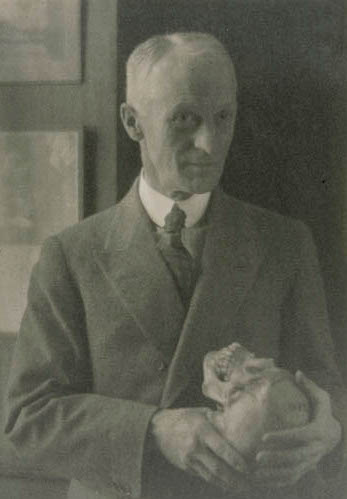 |
| Yes... yes, that is a skull. |
Tuesday, 7 August 2012
Please Sir, Can I Have My Medication?
Regular readers will remember that earlier in the year I was lamenting the fact that my stupid GP's forced me to change GP surgery after I moved a few minutes down the road, due to their weird practice boundaries. At first I thought this was just Massively Inconvenient And Stupid, but in fact it's gone on to have far more serious ramifications.
At present I am thyrotoxic; I have way too much thyroid hormone sloshing around my body, because my pituitary tumour is producing a hormone which is overstimulating my thyroid gland. It has been getting noticeably worse recently; over the past few weeks I have had to up my dose of the beta blockers I take to control my excessively fast heartbeat from 1 - 2 per day to 2 or more frequently 3 per day. I'm noticeably more jittery, I get shaky hands sometimes, I'm getting much more tired more easily. I feel pretty rubbish right now.
The medical universe strongly agree that I need to go on lanreotide injections to stop the tumour producing thyroid stimulating hormone immediately. Like right now. Like actually we should probably have put you back on them at the start of July.
They do not agree on who should pay for it.
My injections are expensive; they cost about £750 a pop (one injection lasts for four weeks, so they cost about £27 a day). My old GP noted that they were more expensive than uranium, but he went on and prescribed them anyway.
My new GP noted that they were more expensive than uranium, and that they are now on our PCT Red List.
The Red List is a list of drugs that should only be prescribed by a specialist, not a general practitioner. It has been suggested that more PCTs are red-listing more drugs to make savings cuts. I could not possibly comment on that. What I do know is that despite the fact that my specialist endocrinologist requested my new GP prescribe them, this is apparently not enough, and after consulting with the PCT (primary care trust) she was unable to do so. The problem is complicated by the fact that the long-acting form of the drug I need (Somatuline Autogel) is not technically licensed for my condition (TSHoma). The older, short-acting form is licensed, but it only lasts ten days, and who wants injections every ten days? Essentially this is just wrangling, but my GP doesn't want to be held responsible for prescribing an unlicensed drug for me, should anything go wrong. She is playing by the book, which is a stance I can sympathise with.
Fortunately the day after I first found out about this issue, I went into the hospital for an appointment and informed my various endocrinologists of the problem. They immediately requested that the specialist nurses order in the first dose of the drug for me so that I could have it administered as soon as possible.
The nurses already have the syringe full of delicious lanreotide. It came in yesterday.
I could have had the injection yesterday. I could have had it today. I could even have it tomorrow, but I don't know if I will - because even though the first dose has been bought and paid for and is SITTING IN A FRIDGE WAITING FOR ME, they are wrangling about who should pay for the next dose.
The next dose.
WHICH I DON'T NEED TO HAVE FOR FOUR WEEKS.
The nurse was super apologetic when I called up to find out what the heck was going on (as I had been told I would probably have it yesterday or today but hadn't heard anything) and she's basically spent the whole afternoon trying to find out if she can just give me the damn injection already and work out where the next one is coming from afterwards.
There is no question that the NHS wants me to have this drug. It's the drug I need, I've had it before, plenty of other patients with my condition have had it before, it works, the licensing issue is really just a wrangle and they reckon the drug company is hoping to get it licensed for TSHoma soon anyway. All the people actually involved in my care want me to have this drug as soon as possible because being this thyrotoxic is Not A Good Thing. But no-one wants to pay for it. Which is ridiculous because it's public damn money. If the hospital pays for it, if my GP's pay for it, it doesn't matter - the net effect on the public purse is exactly the same.*
So please can I just have the damn injection already?
________________________________________________
*Although in fact, it would probably be cheaper to the NHS overall for me to have it administered by a nurse at my GP's practice rather than an expensive and specialist endocrine nurse at the hospital whose time is probably more valuable.**
** And more expensive if my thyroid gland goes into overdrive while I'm hanging around waiting and sends me into a coma.***
***Very unlikely but actually not entirely impossible.
At present I am thyrotoxic; I have way too much thyroid hormone sloshing around my body, because my pituitary tumour is producing a hormone which is overstimulating my thyroid gland. It has been getting noticeably worse recently; over the past few weeks I have had to up my dose of the beta blockers I take to control my excessively fast heartbeat from 1 - 2 per day to 2 or more frequently 3 per day. I'm noticeably more jittery, I get shaky hands sometimes, I'm getting much more tired more easily. I feel pretty rubbish right now.
The medical universe strongly agree that I need to go on lanreotide injections to stop the tumour producing thyroid stimulating hormone immediately. Like right now. Like actually we should probably have put you back on them at the start of July.
They do not agree on who should pay for it.
My injections are expensive; they cost about £750 a pop (one injection lasts for four weeks, so they cost about £27 a day). My old GP noted that they were more expensive than uranium, but he went on and prescribed them anyway.
My new GP noted that they were more expensive than uranium, and that they are now on our PCT Red List.
The Red List is a list of drugs that should only be prescribed by a specialist, not a general practitioner. It has been suggested that more PCTs are red-listing more drugs to make savings cuts. I could not possibly comment on that. What I do know is that despite the fact that my specialist endocrinologist requested my new GP prescribe them, this is apparently not enough, and after consulting with the PCT (primary care trust) she was unable to do so. The problem is complicated by the fact that the long-acting form of the drug I need (Somatuline Autogel) is not technically licensed for my condition (TSHoma). The older, short-acting form is licensed, but it only lasts ten days, and who wants injections every ten days? Essentially this is just wrangling, but my GP doesn't want to be held responsible for prescribing an unlicensed drug for me, should anything go wrong. She is playing by the book, which is a stance I can sympathise with.
Fortunately the day after I first found out about this issue, I went into the hospital for an appointment and informed my various endocrinologists of the problem. They immediately requested that the specialist nurses order in the first dose of the drug for me so that I could have it administered as soon as possible.
The nurses already have the syringe full of delicious lanreotide. It came in yesterday.
I could have had the injection yesterday. I could have had it today. I could even have it tomorrow, but I don't know if I will - because even though the first dose has been bought and paid for and is SITTING IN A FRIDGE WAITING FOR ME, they are wrangling about who should pay for the next dose.
The next dose.
WHICH I DON'T NEED TO HAVE FOR FOUR WEEKS.
The nurse was super apologetic when I called up to find out what the heck was going on (as I had been told I would probably have it yesterday or today but hadn't heard anything) and she's basically spent the whole afternoon trying to find out if she can just give me the damn injection already and work out where the next one is coming from afterwards.
There is no question that the NHS wants me to have this drug. It's the drug I need, I've had it before, plenty of other patients with my condition have had it before, it works, the licensing issue is really just a wrangle and they reckon the drug company is hoping to get it licensed for TSHoma soon anyway. All the people actually involved in my care want me to have this drug as soon as possible because being this thyrotoxic is Not A Good Thing. But no-one wants to pay for it. Which is ridiculous because it's public damn money. If the hospital pays for it, if my GP's pay for it, it doesn't matter - the net effect on the public purse is exactly the same.*
So please can I just have the damn injection already?
________________________________________________
*Although in fact, it would probably be cheaper to the NHS overall for me to have it administered by a nurse at my GP's practice rather than an expensive and specialist endocrine nurse at the hospital whose time is probably more valuable.**
** And more expensive if my thyroid gland goes into overdrive while I'm hanging around waiting and sends me into a coma.***
***Very unlikely but actually not entirely impossible.
Monday, 30 July 2012
IMFW: A Functional Cure for HIV?
Exciting news that a French research study may have found a way to allow HIV-infected people to avoid developing full-blown AIDS. In the study, newly-infected patients were treated with antiretroviral drugs very soon after acquiring the infection, which is quite unusual, and after three years of treatment they were able to stop their medication and remain well. It's a functional cure, which isn't quite a "cure" in the traditional sense; they still have the virus in their bodies - it's just kept at extremely low levels. And it only works if the infection is caught quickly. But it's a strong indication that antiretrovirals should be given as soon as possible after initial infection.
Thursday, 26 July 2012
Failing Treatment: Patients, It's Your Fault
One of the things you notice, once you've been around doctors and hospitals for a while, is the way that medical terminology sometimes seems to place a slightly unreasonable amount of blame on the part of the patient.
For example, the website for Korlym, a drug used to control high blood sugar in patients with Cushing's syndrome, states that Korlym is used "in adults with endogenous Cushing's syndrome who have type 2 diabetes mellitus or glucose intolerance and have failed surgery or cannot have surgery".
1.) I wasn't aware that surgery was a test.
2.) Surely if it were a test, the person charged with passing it would be the surgeon, not the patient zonked out on the operating table.
It seems strange to me that they went for this phrasing (and not as a one-off either, it appears elsewhere on their website). Would it really be difficult to say "patients whose surgery was unsucessful" or "patients whose surgery did not effect a cure"? It's not an isolated case restricted to one copy editor on one website either; it's fairly common to read things like "the patient failed chemotherapy"/"radiotherapy"/"to tie their shoelaces that morning, leading to chaos on Ward Five."*
Doctors of the world, please note: patients don't fail treatments.** Treatments fail patients.
It's an entirely obnoxious phrase, and when I started researching the question it was heartening to see that I am by no means the only person to object to it. As if patients don't feel crappy enough after discovering that their treatment has not succeeded, it then seems to be implied that this is in some way their fault. Yes, it's a medical convention; no, doctors don't mean to imply that the patient is to blame for the treatment not working. But as this patient points out, it's an entirely unnecessary little phrase which can serve to undermine the doctor-patient relationship. Patients who are not au fait with medical terminology - i.e. almost all of us - are unlikely to be impressed if they hear it.
There are plenty of problems out there in the world which are far more serious and important than this little question of syntax. But is it really so hard to change "[Patient Y] failed [Treatment X]" into "[Treatment X] failed [Patient Y]"?
***
UPDATE: So, there's a twist to the tale! I wrote to Corcept Therapeutics, Korlym's creators about this, because I'm pushy that way, and their Director of Commercial Operations got back to me like a bolt of extremely speedy lightning, - despite the fact that I do not have Cushing's Syndrome and thus am hardly their target audience. Here's a couple of extracts from his email:
"Our intent was certainly not to place any blame on the patient for the surgery’s failure, but I can certainly see how the words could convey this. [...] In the world of pharmaceutical marketing and communications in the US, we are highly regulated regarding what we say and how we say it, among other things. For many things, we use language directly from our FDA provided Full Prescribing Information (also known as the label or package insert) and Medication Guide. These two FDA provided documents use the exact language “patients who…… have failed surgery”. In the case of our website copy, we picked up the language directly from these documents.
*Well, maybe not the last one.
**Unless of course they're non-compliant with the treatment regime. In which case, have at them.
For example, the website for Korlym, a drug used to control high blood sugar in patients with Cushing's syndrome, states that Korlym is used "in adults with endogenous Cushing's syndrome who have type 2 diabetes mellitus or glucose intolerance and have failed surgery or cannot have surgery".
1.) I wasn't aware that surgery was a test.
2.) Surely if it were a test, the person charged with passing it would be the surgeon, not the patient zonked out on the operating table.
It seems strange to me that they went for this phrasing (and not as a one-off either, it appears elsewhere on their website). Would it really be difficult to say "patients whose surgery was unsucessful" or "patients whose surgery did not effect a cure"? It's not an isolated case restricted to one copy editor on one website either; it's fairly common to read things like "the patient failed chemotherapy"/"radiotherapy"/"to tie their shoelaces that morning, leading to chaos on Ward Five."*
Doctors of the world, please note: patients don't fail treatments.** Treatments fail patients.
It's an entirely obnoxious phrase, and when I started researching the question it was heartening to see that I am by no means the only person to object to it. As if patients don't feel crappy enough after discovering that their treatment has not succeeded, it then seems to be implied that this is in some way their fault. Yes, it's a medical convention; no, doctors don't mean to imply that the patient is to blame for the treatment not working. But as this patient points out, it's an entirely unnecessary little phrase which can serve to undermine the doctor-patient relationship. Patients who are not au fait with medical terminology - i.e. almost all of us - are unlikely to be impressed if they hear it.
There are plenty of problems out there in the world which are far more serious and important than this little question of syntax. But is it really so hard to change "[Patient Y] failed [Treatment X]" into "[Treatment X] failed [Patient Y]"?
***
UPDATE: So, there's a twist to the tale! I wrote to Corcept Therapeutics, Korlym's creators about this, because I'm pushy that way, and their Director of Commercial Operations got back to me like a bolt of extremely speedy lightning, - despite the fact that I do not have Cushing's Syndrome and thus am hardly their target audience. Here's a couple of extracts from his email:
"Our intent was certainly not to place any blame on the patient for the surgery’s failure, but I can certainly see how the words could convey this. [...] In the world of pharmaceutical marketing and communications in the US, we are highly regulated regarding what we say and how we say it, among other things. For many things, we use language directly from our FDA provided Full Prescribing Information (also known as the label or package insert) and Medication Guide. These two FDA provided documents use the exact language “patients who…… have failed surgery”. In the case of our website copy, we picked up the language directly from these documents.
"I think we have room to improve the language, using language that you suggest, or something similar. We have a compliance team that meets semi-regularly to review our communication material. At a point in the near future, we will review this language change, in hopes to get it approved for a future website update."
So thank you very much, Corcept, and the moral of the story is this: if there's something you don't like, don't keep it to yourself - whinge!
__________________________________________*Well, maybe not the last one.
**Unless of course they're non-compliant with the treatment regime. In which case, have at them.
Tuesday, 24 July 2012
Acromegaly Drug Trial - Oral Octreolin
I noticed on the Pituitary Foundation's website that a drug trial is recruiting for acromegaly patients. It's the phase 3 testing of oral octreolin, taking place at centres across the UK, including Oxford, Manchester and London.
This trial is a pretty exciting prospect! Currently, the somatostatin analogues which are used to treat acromegaly are only available in an injectable form, both as daily injections and in a long-lasting preparation that's injected once a month. This means regular visits to the nurse, plus all the hassle of ordering and storing the prescription, as the drug has to be kept refrigerated. Being able to simply take two pills every day would be so much more convenient (not to mention less painful... those needles are huge), especially for patients who travel or move around a lot.
The biopharma company carrying out the trial is Chiasma, a company specialising in turning injectable drugs into oral formulations. Octreolin is their lead product, but their website indicates they're also working on a drug to treat complications of chronic kidney disease.
It appears Chiasma are conducting clinical trials on the use of octreolin to treat neuroendocrine tumours. In addition to this and acromegaly, octreotide (the injectable somatostatin analogue that octreolin emulates) is used to treat carcinoid syndrome, TSHomas/thyrotropinomas and an extremely rare tumour called a VIPoma. VIP actually stands for vasoactive intestinal peptide, a hormone which the tumour produces in excess, but these tumours are so rare - estimated annual incidence of one per ten million people - that the other meaning of VIP is strangely apposite. A press release from Chiasma also suggested that octreolin was being investigated as a treatment for portal hypertension. So if octreolin is found to be as safe and effective as octreotide, it could benefit people suffering from a whole range of conditions.
This trial is a pretty exciting prospect! Currently, the somatostatin analogues which are used to treat acromegaly are only available in an injectable form, both as daily injections and in a long-lasting preparation that's injected once a month. This means regular visits to the nurse, plus all the hassle of ordering and storing the prescription, as the drug has to be kept refrigerated. Being able to simply take two pills every day would be so much more convenient (not to mention less painful... those needles are huge), especially for patients who travel or move around a lot.
The biopharma company carrying out the trial is Chiasma, a company specialising in turning injectable drugs into oral formulations. Octreolin is their lead product, but their website indicates they're also working on a drug to treat complications of chronic kidney disease.
It appears Chiasma are conducting clinical trials on the use of octreolin to treat neuroendocrine tumours. In addition to this and acromegaly, octreotide (the injectable somatostatin analogue that octreolin emulates) is used to treat carcinoid syndrome, TSHomas/thyrotropinomas and an extremely rare tumour called a VIPoma. VIP actually stands for vasoactive intestinal peptide, a hormone which the tumour produces in excess, but these tumours are so rare - estimated annual incidence of one per ten million people - that the other meaning of VIP is strangely apposite. A press release from Chiasma also suggested that octreolin was being investigated as a treatment for portal hypertension. So if octreolin is found to be as safe and effective as octreotide, it could benefit people suffering from a whole range of conditions.
Monday, 23 April 2012
IMFW: Life Imitates Art
So Blogger has changed its layout and everything, which is deeply confusing to a simple soul like me. If I manage to do anything wildly stupid like posting this next April or forgetting to use a title or something, please forgive me. I am easily baffled.
Anyway: back to IMFW! Today's Interesting Medical Fact of the Week is kind of related to two of my previous interesting medical posts, which focused on face transplants. There's an interesting article on the BBC News website about the fact that the University of Lincoln is offering an art course to plastic surgeons and medical students. They work at life drawing, self portraiture and clay modelling, with a focus on the real-life application for these skills: applying them in their surgical work.
It sounds a little bizarre at first, but at second glance it does make sense. The course aims to enhance students' observational skills and their perceptions of their work, emphasizing that they should look at reconstruction from a patient's point of view as well as their own.
Despite its rather trite acronym, the name of the British Association of Aesthetic Plastic Surgeons (BAAPS...) emphasizes the importance of beauty and aesthetic in the work of plastic surgeons, something which is obviously important in purely cosmetic procedures, but equally key in reconstructive work. I know next to nothing about the training of plastic surgeons, but it would certainly be interesting to know whether surgeons who go into this specialty tend to have more of an interest in art compared to those who gravitate towards other specialisms.
A press release from the university emphasizes the historical link between art and medicine, which was far more pronounced centuries ago; it was considered that artists needed an understanding of anatomy in order to recreate the human form on canvas, while medical texts relied upon anatomical drawings produced by artists, who would often attend dissections. Vesalius's seminal work on anatomy, De humani corporis fabrica, written in 1543, incorporated anatomical illustrations from artists working in the studio of Titian. Perhaps now the link between art and medicine link is being strengthened once more.
Anyway: back to IMFW! Today's Interesting Medical Fact of the Week is kind of related to two of my previous interesting medical posts, which focused on face transplants. There's an interesting article on the BBC News website about the fact that the University of Lincoln is offering an art course to plastic surgeons and medical students. They work at life drawing, self portraiture and clay modelling, with a focus on the real-life application for these skills: applying them in their surgical work.
It sounds a little bizarre at first, but at second glance it does make sense. The course aims to enhance students' observational skills and their perceptions of their work, emphasizing that they should look at reconstruction from a patient's point of view as well as their own.
Despite its rather trite acronym, the name of the British Association of Aesthetic Plastic Surgeons (BAAPS...) emphasizes the importance of beauty and aesthetic in the work of plastic surgeons, something which is obviously important in purely cosmetic procedures, but equally key in reconstructive work. I know next to nothing about the training of plastic surgeons, but it would certainly be interesting to know whether surgeons who go into this specialty tend to have more of an interest in art compared to those who gravitate towards other specialisms.
A press release from the university emphasizes the historical link between art and medicine, which was far more pronounced centuries ago; it was considered that artists needed an understanding of anatomy in order to recreate the human form on canvas, while medical texts relied upon anatomical drawings produced by artists, who would often attend dissections. Vesalius's seminal work on anatomy, De humani corporis fabrica, written in 1543, incorporated anatomical illustrations from artists working in the studio of Titian. Perhaps now the link between art and medicine link is being strengthened once more.
Sunday, 11 March 2012
Pituitary Surgery: Pre-operative Assessment
After meeting my pituitary surgeon Mr Pout, I was trundled off to have my pre-operative assessment. The NHS wesbite describes pre-operative assessments as:
"...carried out prior to treatment, [to ensure] that the patient is fully informed about the procedure and the post operative recovery, is in optimum health and has made arrangements for admission, discharge and post operative care at home. "
I met a very nice nurse and her very nice (and extremely lengthy) questionnaire, which we got to fill in together. What a treat! I got to answer questions about my health, fitness, medications, allergies, medical history and more. It was like being on Mastermind, except the nurse was a lot more judgemental than John Humphrys when I couldn't remember an answer.* Possibly it was more like University Challenge, in the rounds where you're not supposed to confer.
After hearing about the more technical (and terrifying) side of transsphenoidal pituitary surgery from Mr Pout, the pre-operative assessment was a chance to find out more about the practical side of things, like visiting hours for my ward in the hospital, what would happen in the lead-up to my surgery, and exactly how nice my parents had to be to me for how many weeks afterwards.
With the benefit of hindsight, I would have taken my cue from John Humphrys and done some slightly more thorough interrogation of both the nurse and surgeon. The problem is, you don't know what you're not being told until some time after they've not told you it.
I would have appreciated being told, for example, that after my surgery, I had to have blood tests done every hour for six hours, then every two hours for twelve hours, then every four hours, etc etc. Admittedly, I have complained about this in a previous post. But the thing was, although I understand that the blood tests were necessary to keep track of my pituitary hormones, it wasn't until after they'd already done a couple of rounds of blood tests that I was even told exactly how long it was going to go on for. And my arm was really sore because they kept putting surgical tape on it (it appears there's no plasters on the NHS) and then ripping it off every five minutes to stick another needle in. If only I had shaved my inner elbows.
Plus, it would have been helpful to know precisely what scan they were intending to send me in for on the day of the surgery. This got super confused on the day, and I'll talk more about it in a future post, but I was never told that they wanted me to have a CT scan of my pituitary before surgery, so I was completely confused when a couple of hospital porteers turned up to wheel me away to the scanning department.
Also at the pre-operative assessment, you get weighed and measured and have your blood pressure taken. If it's a little low like mine usually is, and if they suddenly realise that (thanks to their insane waiting times) you haven't eaten anything since before you turned up to the hospital six hours ago, they may give you free cake and biscuits. These are of a surprisingly high quality for hospital-supplied nibbles.
Oh, and they swab you to check whether or not you have MRSA bacteria present on your skin. If you do, you might be put last in the day's queue for surgery.
______________________________________________________
*Incidentally, did you know that the format of Mastermind was allegedly inspired by creator Bill Wright's experience of being interrogated by Nazis?
"...carried out prior to treatment, [to ensure] that the patient is fully informed about the procedure and the post operative recovery, is in optimum health and has made arrangements for admission, discharge and post operative care at home. "
I met a very nice nurse and her very nice (and extremely lengthy) questionnaire, which we got to fill in together. What a treat! I got to answer questions about my health, fitness, medications, allergies, medical history and more. It was like being on Mastermind, except the nurse was a lot more judgemental than John Humphrys when I couldn't remember an answer.* Possibly it was more like University Challenge, in the rounds where you're not supposed to confer.
 |
| Wait... who actually is my GP? |
After hearing about the more technical (and terrifying) side of transsphenoidal pituitary surgery from Mr Pout, the pre-operative assessment was a chance to find out more about the practical side of things, like visiting hours for my ward in the hospital, what would happen in the lead-up to my surgery, and exactly how nice my parents had to be to me for how many weeks afterwards.
With the benefit of hindsight, I would have taken my cue from John Humphrys and done some slightly more thorough interrogation of both the nurse and surgeon. The problem is, you don't know what you're not being told until some time after they've not told you it.
I would have appreciated being told, for example, that after my surgery, I had to have blood tests done every hour for six hours, then every two hours for twelve hours, then every four hours, etc etc. Admittedly, I have complained about this in a previous post. But the thing was, although I understand that the blood tests were necessary to keep track of my pituitary hormones, it wasn't until after they'd already done a couple of rounds of blood tests that I was even told exactly how long it was going to go on for. And my arm was really sore because they kept putting surgical tape on it (it appears there's no plasters on the NHS) and then ripping it off every five minutes to stick another needle in. If only I had shaved my inner elbows.
Plus, it would have been helpful to know precisely what scan they were intending to send me in for on the day of the surgery. This got super confused on the day, and I'll talk more about it in a future post, but I was never told that they wanted me to have a CT scan of my pituitary before surgery, so I was completely confused when a couple of hospital porteers turned up to wheel me away to the scanning department.
Also at the pre-operative assessment, you get weighed and measured and have your blood pressure taken. If it's a little low like mine usually is, and if they suddenly realise that (thanks to their insane waiting times) you haven't eaten anything since before you turned up to the hospital six hours ago, they may give you free cake and biscuits. These are of a surprisingly high quality for hospital-supplied nibbles.
Oh, and they swab you to check whether or not you have MRSA bacteria present on your skin. If you do, you might be put last in the day's queue for surgery.
______________________________________________________
*Incidentally, did you know that the format of Mastermind was allegedly inspired by creator Bill Wright's experience of being interrogated by Nazis?
Friday, 2 March 2012
A New Treatment for Cushing's Disease?
I've just been reading about a drug called Pasireotide. It's been around for a while, but on January 23rd this year, the European Medicines Agency's Committee for Medicinal Products for Human Use recommended that pasireotide be approved for use in the treatment of Cushing's Disease. This is exciting, because Cushing's Disease - in which a benign tumour of the pituitary gland causes the body to release excess steroid hormone - has long been very difficult to treat medically, with surgery and radiotherapy being the main treatments. But they're not always appropriate or successful for every patient.
Pasireotide (brand name Signifor, developed by Novartis) is a somatostatin analogue - like the medication lanreotide, which I take at the moment to prevent my own pituitary tumour from releasing thyroid-stimulating hormone. Like lanreotide and octreotide, the two somatostatin medications currently on the market, pasireotide looks likely to be effective in treating acromegaly and neuroendocrine tumours; unlike them, it appears to be much more effective at blocking tumours from producing adrenocorticotrophic hormone.
At the moment, there are no approved medicines in Europe for the treatment of Cushing's. Other drugs are used in practise, off-label, but with less data about their safety and effectiveness against the disease, so for Signifor to be approved would be a very significant step. The European Commission looks set to make its decision in the next few months.
Pasireotide (brand name Signifor, developed by Novartis) is a somatostatin analogue - like the medication lanreotide, which I take at the moment to prevent my own pituitary tumour from releasing thyroid-stimulating hormone. Like lanreotide and octreotide, the two somatostatin medications currently on the market, pasireotide looks likely to be effective in treating acromegaly and neuroendocrine tumours; unlike them, it appears to be much more effective at blocking tumours from producing adrenocorticotrophic hormone.
At the moment, there are no approved medicines in Europe for the treatment of Cushing's. Other drugs are used in practise, off-label, but with less data about their safety and effectiveness against the disease, so for Signifor to be approved would be a very significant step. The European Commission looks set to make its decision in the next few months.
Wednesday, 22 February 2012
IMFW: Poliomyelitis
Long time no Interesting Medical Fact of the Week! In fairness, this is the first time in several months in which I have failed so abjectly to produce an IMFW on a Monday. I don't have any excuse at all, so without further ado:
Today's Interesting Medical Fact of the Week is focusing on Poliomyelitis, commonly known as polio. When I was a child, the combination of the name of the illness and the fact that the vaccine is delivered on a sugarlump meant that I had a vague conception of polio as a round, white germ with a hole in the middle. At least I didn't think of it as a kind of posh horsey bacteria.* Or a car.
Quick recap of polio: it's a highly infectious viral disease. About 90% of people who are infected will not have any symptoms. 5% will have only very mild symptoms, like a cold or 'flu. 1% will have a more serious episode of 'flu-like symptoms, often with muscle stiffness and meningitis. And only about 0.1% of cases will develop paralytic polio, in which the virus attacks the central nervous system and produces the "classic" polio symptoms which most people would recognise: the muscles of one or more limbs become extremely weak and finally paralysed. In cases where the virus invades the bulbar region of the brainstem, it may cause difficulty breathing, speaking, and swallowing.
Although there are vaccines for polio, there is no cure. Patients who are unable to breathe independently can be kept breathing using a negative or positive pressure ventilator until they have recovered, although in some cases polio survivors may need to use one of these devices for the rest of their lives. About half of patients with paralytic polio do recover completely, but around a quarter are left with significant permanent disability.
Since a global effort to eradicate polio began in 1988, the number of annual cases of polio being diagnosed has reduced by 99%. The initial eradication initiative aimed to eliminate polio by the year 2000; twelve years later, the disease is still clinging on in a few countries and is still considered endemic in Afghanistan, Pakistan and Nigeria. The last case in India was in January 2011, and the country is hoping to be certified as free from endemic polio shortly.
Efforts to eliminate the disease in these countries have been hampered by instability, as well as rumours in Nigeria that the vaccination effort was a Western conspiracy to spread HIV and sterilise Nigerian girls. Vaccination was banned for several years, leading to a massive upsurge in infections in Nigeria and the transmission of polio back into neighbouring countries. Vaccination boycotts have also taken place at various times in India; and in Pakistan and Afghanistan the Taliban have issued fatwas against polio vaccination.
In 2011 there were 649 cases of polio reported worldwide, with over half of these from polio-endemic countries, compared to around 350,000 in 1988.
___________________________________________________
*Not least because it's a virus.
Today's Interesting Medical Fact of the Week is focusing on Poliomyelitis, commonly known as polio. When I was a child, the combination of the name of the illness and the fact that the vaccine is delivered on a sugarlump meant that I had a vague conception of polio as a round, white germ with a hole in the middle. At least I didn't think of it as a kind of posh horsey bacteria.* Or a car.


Quick recap of polio: it's a highly infectious viral disease. About 90% of people who are infected will not have any symptoms. 5% will have only very mild symptoms, like a cold or 'flu. 1% will have a more serious episode of 'flu-like symptoms, often with muscle stiffness and meningitis. And only about 0.1% of cases will develop paralytic polio, in which the virus attacks the central nervous system and produces the "classic" polio symptoms which most people would recognise: the muscles of one or more limbs become extremely weak and finally paralysed. In cases where the virus invades the bulbar region of the brainstem, it may cause difficulty breathing, speaking, and swallowing.
Although there are vaccines for polio, there is no cure. Patients who are unable to breathe independently can be kept breathing using a negative or positive pressure ventilator until they have recovered, although in some cases polio survivors may need to use one of these devices for the rest of their lives. About half of patients with paralytic polio do recover completely, but around a quarter are left with significant permanent disability.
Since a global effort to eradicate polio began in 1988, the number of annual cases of polio being diagnosed has reduced by 99%. The initial eradication initiative aimed to eliminate polio by the year 2000; twelve years later, the disease is still clinging on in a few countries and is still considered endemic in Afghanistan, Pakistan and Nigeria. The last case in India was in January 2011, and the country is hoping to be certified as free from endemic polio shortly.
Efforts to eliminate the disease in these countries have been hampered by instability, as well as rumours in Nigeria that the vaccination effort was a Western conspiracy to spread HIV and sterilise Nigerian girls. Vaccination was banned for several years, leading to a massive upsurge in infections in Nigeria and the transmission of polio back into neighbouring countries. Vaccination boycotts have also taken place at various times in India; and in Pakistan and Afghanistan the Taliban have issued fatwas against polio vaccination.
In 2011 there were 649 cases of polio reported worldwide, with over half of these from polio-endemic countries, compared to around 350,000 in 1988.
___________________________________________________
*Not least because it's a virus.
Monday, 6 February 2012
IMFW: "Excited Delirium"?
Today's Interesting Medical Fact of the week is about a medical condition that may or may not, in fact, exist. Wikipedia defines "excited delirium" as "a condition that manifests as a combination of delirium, psychomotor agitation, anxiety, hallucinations, speech disturbances, disorientation, violent and bizarre behavior, insensitivity to pain, elevated body temperature, and superhuman strength." Never heard of it? Neither had I.
Excited delirium is not recognised as a cause of death by the Department of Health or the World Heath Organisation. It has become an extremely controversial topic in the UK recently, due to the death of Jacob Michael, a 25 year old man who died last year in police custody. The Home Office pathologist found that he died of excited delirium; Michael's parents disagree, arguing that the pathologist ignored the effects of heavy police restraint on their son.
Excited delirium has been cited as a cause of death in a number of death-in-custody cases in the UK, and more in the US; it started turning up in pathology reports in the 1980s. Many of the people who are reported to have died of excited delirium have cocaine or other drugs in their system, and it's been variously suggested that their death is due to excessive adrenaline or organ failure due to a massive spike in body temperature, with the risk of death being increased by pre-existing conditions. But Eric Balaban of the American Civil Liberties Union suggested that the diagnosis of excited delirium is used "as a means of white-washing what may be excessive use of force and inappropriate use of control techniques by officers during an arrest", with most reported cases of the disorder found in people who have died in custody.
There may be an explanation for this; Dr Vincent Di Maio, a former chief medical examiner in Texas, suggested that it is the very act of resisting or fighting with police which tips sufferers over the edge, and that police then wrongly get the blame. Some doctors have said that deaths from police brutality are clearly distinguishable from those due to excited delirium, with the physical marks of brutality obvious; others have accused taser manufacturers of using the diagnosis to explain away the deaths of people who have been hit with tasers. It's pretty much a minefield of conflicting opinions.
But Balaban argues that the symptoms of excited delirium are simply the symptoms of mental illness, possibly exacerbated by drug use; and this article looks at other medical conditions which can look like excited delirium, listing delirium tremens (alcohol withdrawal), hyperthermia (severe overheating), severe low blood sugar in diabetes, traumatic brain injury, viral encephalitis and thyroid storm (massive hyperthyroidism often caused by very high stress). The article does not mention epilepsy, but in some cases epileptic fits can lead sufferers to become extremely disoriented and confused, and there are probably several other disorders which could give rise to symptoms similar to those of "excited delirium".
It's an interesting debate to follow, although as someone with little knowledge of either medicine or police work, I'm hardly qualified to draw any conclusions. There's also the issue that the question of excited delirium is twofold; some question whether it is a medical condition at all, whereas others merely question whether it's a medical condition which in itself would actually lead to death. I will follow the debate with interest.
Excited delirium is not recognised as a cause of death by the Department of Health or the World Heath Organisation. It has become an extremely controversial topic in the UK recently, due to the death of Jacob Michael, a 25 year old man who died last year in police custody. The Home Office pathologist found that he died of excited delirium; Michael's parents disagree, arguing that the pathologist ignored the effects of heavy police restraint on their son.
Excited delirium has been cited as a cause of death in a number of death-in-custody cases in the UK, and more in the US; it started turning up in pathology reports in the 1980s. Many of the people who are reported to have died of excited delirium have cocaine or other drugs in their system, and it's been variously suggested that their death is due to excessive adrenaline or organ failure due to a massive spike in body temperature, with the risk of death being increased by pre-existing conditions. But Eric Balaban of the American Civil Liberties Union suggested that the diagnosis of excited delirium is used "as a means of white-washing what may be excessive use of force and inappropriate use of control techniques by officers during an arrest", with most reported cases of the disorder found in people who have died in custody.
There may be an explanation for this; Dr Vincent Di Maio, a former chief medical examiner in Texas, suggested that it is the very act of resisting or fighting with police which tips sufferers over the edge, and that police then wrongly get the blame. Some doctors have said that deaths from police brutality are clearly distinguishable from those due to excited delirium, with the physical marks of brutality obvious; others have accused taser manufacturers of using the diagnosis to explain away the deaths of people who have been hit with tasers. It's pretty much a minefield of conflicting opinions.
But Balaban argues that the symptoms of excited delirium are simply the symptoms of mental illness, possibly exacerbated by drug use; and this article looks at other medical conditions which can look like excited delirium, listing delirium tremens (alcohol withdrawal), hyperthermia (severe overheating), severe low blood sugar in diabetes, traumatic brain injury, viral encephalitis and thyroid storm (massive hyperthyroidism often caused by very high stress). The article does not mention epilepsy, but in some cases epileptic fits can lead sufferers to become extremely disoriented and confused, and there are probably several other disorders which could give rise to symptoms similar to those of "excited delirium".
It's an interesting debate to follow, although as someone with little knowledge of either medicine or police work, I'm hardly qualified to draw any conclusions. There's also the issue that the question of excited delirium is twofold; some question whether it is a medical condition at all, whereas others merely question whether it's a medical condition which in itself would actually lead to death. I will follow the debate with interest.
Thursday, 26 January 2012
Side Effects of Lanreotide Injections
Long time no post! Regular readers will no doubt be waiting, almost breathless with excitement, to find out how my lanreotide injection on Monday went. Did I get a nice nurse? Did she remember to leave the syringe out of the fridge beforehand? Did I spend the next two days feeling nauseous? Will I find something more exciting to write about?
Long story short: yes; yes; no; find out next week in another exciting installment of Pituitary Ademoaner: The Blog!
In any case, the lanreotide has been rushing around my system for a few days. I fondly imagine it coursing through my veins, up to the pituitary gland, and beating my pituitary adenoma around the head, shouting "Stop it! Stop it now! Bad pituitary!" much like a miniature Punch and Judy show without the part about the crocodile and sausages.
I don't have a list of the side effects of Somatuline lanreotide injections, although I seem to remember that they are many and hideous. I'm pretty sure gallstones and feeling sick are the major issues.
But medicines should have side effects; it's only right and proper. I'm pretty sure that if I ever opened a packet of pills, opened up the little leaflet inside* and found that the list of potential side effects included neither coma nor death, I would hardly consider it medication at all. This is just one of the reasons I mistrust homeopathy. If it can't kill you, I refuse to believe it can cure you, either.**
So I present my personal list of the potential side effects of lanreotide injections, which I scarcely need say is not an official list and may in fact be completely fictitious:
1. Making you walk like an international rap star after the third drive-by caused permanent nerve damage.***
Big old needle right into hip (or, in fact, into right hip). It's painful while it's happening, but in fact it's worse when you're on the long walk home in jeans which irritate the skin where you've just had the injection.
Option 1: limp like a pro.
Option 2: wear your trousers around your knees.
Put them together and what have you got? A multi-platinum record deal.
2. Exposing the folly of your healthcare providers.
One of the biggest side-effects of lanreotide is that it upsets your stomach and makes you feel nauseous. I had this side effect after every injection last year; after the first one, I felt pretty unwell for several days. Various doctors and nurses warned me about it, saying that lanreotide affects everyone differently, and you simply had to wait it out.
This year, I read on the Pituitary Society's forums that several people who have regular lanreotide injections for acromegaly had been told by their endocrinologists to eat a very low-fat diet for the first few days after the injection, in order to prevent the nausea. So I thought I'd try it, spent the next two days eating vegetable soup and sushi, and hey presto: zero stomach pain and only very very mild nausea a few hours after the injection. If only I had known last year!
3. Itchy Hip Syndrome.
A serious condition, usually associated with insect bites, poison ivy, and low-quality undergarments. I don't know if it's just me or if this happens to everyone, but oh my god my hip is so itchy it's like I survived an attack by a killer mosquito.
At the injection site, not just randomly. That really would be weird.
4. Sudden and complete IT systems collapse.
Almost immediately after I had my injection, the servers at my place of work crashed catastrophically, leaving me unable to log on for about six hours. Coincidence? I THINK NOT.
_____________________________________________________
*You must always read the little white leaflet.
**Of course, I'm exagerrating. Homeopathic treatments do come with side effects, such as inadvertent emptying of both the pockets and the brain.
***And/or with a limp like an old school pimp.
Long story short: yes; yes; no; find out next week in another exciting installment of Pituitary Ademoaner: The Blog!
In any case, the lanreotide has been rushing around my system for a few days. I fondly imagine it coursing through my veins, up to the pituitary gland, and beating my pituitary adenoma around the head, shouting "Stop it! Stop it now! Bad pituitary!" much like a miniature Punch and Judy show without the part about the crocodile and sausages.

I don't have a list of the side effects of Somatuline lanreotide injections, although I seem to remember that they are many and hideous. I'm pretty sure gallstones and feeling sick are the major issues.
But medicines should have side effects; it's only right and proper. I'm pretty sure that if I ever opened a packet of pills, opened up the little leaflet inside* and found that the list of potential side effects included neither coma nor death, I would hardly consider it medication at all. This is just one of the reasons I mistrust homeopathy. If it can't kill you, I refuse to believe it can cure you, either.**
So I present my personal list of the potential side effects of lanreotide injections, which I scarcely need say is not an official list and may in fact be completely fictitious:
Side Effects of Lanreotide:
1. Making you walk like an international rap star after the third drive-by caused permanent nerve damage.***
Big old needle right into hip (or, in fact, into right hip). It's painful while it's happening, but in fact it's worse when you're on the long walk home in jeans which irritate the skin where you've just had the injection.
Option 1: limp like a pro.
Option 2: wear your trousers around your knees.

Put them together and what have you got? A multi-platinum record deal.
2. Exposing the folly of your healthcare providers.
One of the biggest side-effects of lanreotide is that it upsets your stomach and makes you feel nauseous. I had this side effect after every injection last year; after the first one, I felt pretty unwell for several days. Various doctors and nurses warned me about it, saying that lanreotide affects everyone differently, and you simply had to wait it out.
This year, I read on the Pituitary Society's forums that several people who have regular lanreotide injections for acromegaly had been told by their endocrinologists to eat a very low-fat diet for the first few days after the injection, in order to prevent the nausea. So I thought I'd try it, spent the next two days eating vegetable soup and sushi, and hey presto: zero stomach pain and only very very mild nausea a few hours after the injection. If only I had known last year!
3. Itchy Hip Syndrome.
A serious condition, usually associated with insect bites, poison ivy, and low-quality undergarments. I don't know if it's just me or if this happens to everyone, but oh my god my hip is so itchy it's like I survived an attack by a killer mosquito.
At the injection site, not just randomly. That really would be weird.
4. Sudden and complete IT systems collapse.
Almost immediately after I had my injection, the servers at my place of work crashed catastrophically, leaving me unable to log on for about six hours. Coincidence? I THINK NOT.
_____________________________________________________
*You must always read the little white leaflet.
**Of course, I'm exagerrating. Homeopathic treatments do come with side effects, such as inadvertent emptying of both the pockets and the brain.
***And/or with a limp like an old school pimp.
Wednesday, 11 January 2012
More Expensive Than Uranium
I have two GPs who I see on a semi-regular basis; both excellent medical men in their way, but both with certain personal quirks that turn my regular visits from dull routine into amusing interludes. The first,* Dr. Ken, has a curious habit of continually saying "mmhm, mmhm, mmhm, mmhm" whilst you speak to him (I have actually discussed this with another patient, so I know it's not just me).
Initially, I assumed he must have gorged on peanut butter before letting me in to his office, and the curious masticating noise was the sound of him trying to detach it from the roof of his mouth. I have since been forced to revise this view, however, and now my best guess is that at some point as a medical student he must have gone on some kind of "relating to patients" course and believes that frequent low-level humming noises are a soothing way of indicating his interest and concern, and not just extremely irritating.
My other GP, Boris, has never made any unexpected murmurs, susurrations, sighs, soughs or rumbles - which is to his credit. However, he does have a somewhat quirky sense of humour; last year, when receiving my regular blood test results, he gravely informed me I was pregnant and then burst into hysterical peals of laughter. Fortunately, due to a) being used to him and b) being extremely sure I was not, I did actually find it funny, but I imagine he needs to be careful precisely who he pulls that joke on.
Today I visited Dr. Boris to get my prescription for Somatuline Autogel injections, as agreed with my endocrinologist. He looked it up in his little dictionary of medicines, looked up at me and said, "Did you know this is more expensive than uranium?"***
Never having previously considered the price of uranium (as I am neither a nuclear scientist nor intent on causing mass terror) - and slightly concerned that my GP knew the exact cost of uranium yet had to look up my medication in a book - I asked him how he knew. Apparently the food critic, Giles Coren, recently wrote a bit of a rant about Pizza Express, in which he calculated that the price they charge for extra olives makes the olives, gram for gram, more expensive than uranium - which, I imagine, means that my lanreotide injections are significantly more expensive than uranium.
I can't guarantee that this story is true, and I foolishly didn't think to ask whether this valuation applied to enriched, depleted or farm-fresh newly-mined uranium. I can't look it up now, of course; I imagine that researching current uranium prices may well attract The Wrong Kind Of Attention. Probably just using the word "uranium" six times in one blog post is bad enough.
Anyway, I got my prescription and Dr. Boris instructed me that, should I be mugged whilst transferring the lanreotide injection from the pharmacy to the GP's surgery, I may hand over my purse and phone - but I have to fight them for the syringe.
_________________________________________________________________
*I won't name them, obviously, as I have no wish to get sued. Let's call them Ken and Boris, for no reason other than that they are excellent names and that both my doctors have extreme political views at opposing ends of the spectrum.**
**N.B. this is a lie.
***I have cost the NHS an awful lot more than I've ever paid in taxes >.>
Initially, I assumed he must have gorged on peanut butter before letting me in to his office, and the curious masticating noise was the sound of him trying to detach it from the roof of his mouth. I have since been forced to revise this view, however, and now my best guess is that at some point as a medical student he must have gone on some kind of "relating to patients" course and believes that frequent low-level humming noises are a soothing way of indicating his interest and concern, and not just extremely irritating.

My other GP, Boris, has never made any unexpected murmurs, susurrations, sighs, soughs or rumbles - which is to his credit. However, he does have a somewhat quirky sense of humour; last year, when receiving my regular blood test results, he gravely informed me I was pregnant and then burst into hysterical peals of laughter. Fortunately, due to a) being used to him and b) being extremely sure I was not, I did actually find it funny, but I imagine he needs to be careful precisely who he pulls that joke on.
Today I visited Dr. Boris to get my prescription for Somatuline Autogel injections, as agreed with my endocrinologist. He looked it up in his little dictionary of medicines, looked up at me and said, "Did you know this is more expensive than uranium?"***
Never having previously considered the price of uranium (as I am neither a nuclear scientist nor intent on causing mass terror) - and slightly concerned that my GP knew the exact cost of uranium yet had to look up my medication in a book - I asked him how he knew. Apparently the food critic, Giles Coren, recently wrote a bit of a rant about Pizza Express, in which he calculated that the price they charge for extra olives makes the olives, gram for gram, more expensive than uranium - which, I imagine, means that my lanreotide injections are significantly more expensive than uranium.
I can't guarantee that this story is true, and I foolishly didn't think to ask whether this valuation applied to enriched, depleted or farm-fresh newly-mined uranium. I can't look it up now, of course; I imagine that researching current uranium prices may well attract The Wrong Kind Of Attention. Probably just using the word "uranium" six times in one blog post is bad enough.
Anyway, I got my prescription and Dr. Boris instructed me that, should I be mugged whilst transferring the lanreotide injection from the pharmacy to the GP's surgery, I may hand over my purse and phone - but I have to fight them for the syringe.
_________________________________________________________________
*I won't name them, obviously, as I have no wish to get sued. Let's call them Ken and Boris, for no reason other than that they are excellent names and that both my doctors have extreme political views at opposing ends of the spectrum.**
**N.B. this is a lie.
***I have cost the NHS an awful lot more than I've ever paid in taxes >.>
Monday, 2 January 2012
IMFW: Moral Dilemma
The first Interesting Medical Fact of the Week for 2012 - the first interesting fact for a whole new year - concerns something (or rather, someone) that I've written about before. Highly relevant to the pituitary adenoma theme of this blog, in fact.
In my last post, I mentioned Charles Byrne, the Irish Giant, as he was known in his lifetime, a man who suffered from acromegaly in the 1780s. He was briefly a popular attraction in London before succumbing to alcoholism and dying very young at the age of 22. Although he is probably the most well known, as his skeleton is part of the collection in the Hunterian Museum, there were several well-known Irish giants, all of whom likely suffered from acromegaly, who exhibited themself across Europe at the time.
Byrne's skeleton was preserved against his will; the story goes that he was so keen to avoid his body falling into the clutches of John Hunter, a noted surgeon of the time, that his will requested his friends bury his body at sea in a lead coffin. Hunter managed to get his hands on the body, however, allegedly through bribery.
It's curious how many websites I've found when googling the name "Charles Byrne" which not only fail to mention acromegaly, but fail to mention that Byrne had an illness at all - as though growing to 7'7" is a kind of character flaw which could happen to anybody. His skeleton is still on display to the public at the Hunterian Museum, and around a year ago there was some publicity around some genetic research that has been taking place, looking at a genetic cause for pituitary tumours which recur in families, which identified some modern-day acromegaly patients who may be related to Byrne.
More on that research another day.
Today, the news is that there have been calls for Charles Byrne's skeleton to be removed from display, and buried in accordance with his original wishes. It seems fairly unlikely that this will happen, he's a significant feature of the museum; but it's an interesting debate, and on the whole, I have to say that I would broadly be in favour of allowing him to be buried. It's interesting that the moral debate is still going on, more than two hundred years after his death.
In my last post, I mentioned Charles Byrne, the Irish Giant, as he was known in his lifetime, a man who suffered from acromegaly in the 1780s. He was briefly a popular attraction in London before succumbing to alcoholism and dying very young at the age of 22. Although he is probably the most well known, as his skeleton is part of the collection in the Hunterian Museum, there were several well-known Irish giants, all of whom likely suffered from acromegaly, who exhibited themself across Europe at the time.
Byrne's skeleton was preserved against his will; the story goes that he was so keen to avoid his body falling into the clutches of John Hunter, a noted surgeon of the time, that his will requested his friends bury his body at sea in a lead coffin. Hunter managed to get his hands on the body, however, allegedly through bribery.
It's curious how many websites I've found when googling the name "Charles Byrne" which not only fail to mention acromegaly, but fail to mention that Byrne had an illness at all - as though growing to 7'7" is a kind of character flaw which could happen to anybody. His skeleton is still on display to the public at the Hunterian Museum, and around a year ago there was some publicity around some genetic research that has been taking place, looking at a genetic cause for pituitary tumours which recur in families, which identified some modern-day acromegaly patients who may be related to Byrne.
More on that research another day.
Today, the news is that there have been calls for Charles Byrne's skeleton to be removed from display, and buried in accordance with his original wishes. It seems fairly unlikely that this will happen, he's a significant feature of the museum; but it's an interesting debate, and on the whole, I have to say that I would broadly be in favour of allowing him to be buried. It's interesting that the moral debate is still going on, more than two hundred years after his death.
Saturday, 31 December 2011
10 Medical New Year's Resolutions
2011 has been an exceedingly medical year for me. I had brain surgery, you know. So I have decided to make a list of my New Year's Resolutions for 2012, focusing not on the traditional "follow a diet quit smoking stop chewing your toenails" nonsense that is the bread and meat of new year's resolutions in general, but on solid and occasionally revolting medical matters of note.
And so. In the year 2012, I resolve:
1. Not to be in need of brain surgery or radiotherapy
2. To aim for a minimum of a 50% reduction in the amount of blood tests I have compared to 2011 (without a corresponding 50% increase in blood volume... that would be gross)
3. Not to get schistosomiasis
4. To learn how to pronounce schistosomiasis
5. To laugh at a homeopath (I am homeophobic)
6. To maintain an entirely appropriate heartrate at all times
7. To visit the Hunterian Museum and be suitably traumatised - and specifically, to see the skeleton of Charles Byrne, the "Irish Giant", a 7 1/2 foot tall man who suffered from acromegaly.
8. To disconcert my endocrinologist at least once by asking a lengthy and pointlessly technical question and then pretending to understand the answer.
9. To persuade my friend, a medical student who runs a Dermatology Society, that she should hold a dermatology quiz and pizza night, in which prospective dermatologists must diagnose which skin condition is represented in each pizza's toppings (eg. a pizza with olives hidden under the cheese could represent buboes. Yum.)*
10. To win the lottery (not technically a medical resolution, but that's no reason not to try)
Here's hoping 2012 will be an excellent year of few medical problems and many revolting pizzas. Happy new year!
__________________________________________________
* Seriously, this is an awesome idea. You should do it.
And so. In the year 2012, I resolve:
1. Not to be in need of brain surgery or radiotherapy
2. To aim for a minimum of a 50% reduction in the amount of blood tests I have compared to 2011 (without a corresponding 50% increase in blood volume... that would be gross)
3. Not to get schistosomiasis
4. To learn how to pronounce schistosomiasis

5. To laugh at a homeopath (I am homeophobic)
6. To maintain an entirely appropriate heartrate at all times
7. To visit the Hunterian Museum and be suitably traumatised - and specifically, to see the skeleton of Charles Byrne, the "Irish Giant", a 7 1/2 foot tall man who suffered from acromegaly.

8. To disconcert my endocrinologist at least once by asking a lengthy and pointlessly technical question and then pretending to understand the answer.
9. To persuade my friend, a medical student who runs a Dermatology Society, that she should hold a dermatology quiz and pizza night, in which prospective dermatologists must diagnose which skin condition is represented in each pizza's toppings (eg. a pizza with olives hidden under the cheese could represent buboes. Yum.)*
10. To win the lottery (not technically a medical resolution, but that's no reason not to try)
Here's hoping 2012 will be an excellent year of few medical problems and many revolting pizzas. Happy new year!
__________________________________________________
* Seriously, this is an awesome idea. You should do it.
Subscribe to:
Posts (Atom)