Once I woke up after my endoscopic transsphenoidal pituitary adenoma resection surgery (that's what they called it on the forms!) I had half an hour or so in the post-surgical recovery area to rehydrate and have regular neurological checks. I had these throughout my time in hospital, with decreasing regularity. They ask you where you are, what year it is etc (it usually takes me until at least February to readjust to a new year so I had to concentrate for that one), then there are physical tests; squeezing hands, pulling and pushing with your hands and feet etc. to check that nothing weird's going on in your head.
The last time I had pituitary surgery, I was pretty perky afterwards, probably because I had a whole bunch of morphine when I woke up. This time however, my head barely hurt when I woke up, so no morphine, so I was rather more subdued... Which I think everyone else was probably thankful for. I was taken onto the ward and my parents arrived not long after. A nurse brought me a yoghurt to eat and then a tuna sandwich - I only managed about a quarter of it, but it was really nice to have some food, and when the tea trolley came around I was practically in heaven.
At first I had to have observations taken every half an hour for the first six hours, then once an hour for six hours, then every two hours, and so on. Observations involved measuring blood pressure, blood oxygen levels, heart rate, breathing rate, pupil response to having bright light shone in them (usual response: argh, get that light out of my face), and the aforementioned neurological tests.
I was really not in much pain at all, I had some paracetemol and that was all I needed with regards to painkillers - I was up and walking to the loo within two hours of waking up, so I did pretty well I think. They start you on hydrocortisone, a steroid medication, immediately after surgery (via IV drip initially) because there's always a risk that your body will stop producing steroid hormone after the operation, which may be temporary or permanent.
The most exciting thing to happen was a ninja nosebleed, which suddenly appeared from out of the blue. A nurse ran up to the neurosurgical theatres to grab a selection of bandages wrapped up in bandages, to tie around my face like an attractive surgical moustache and catch any unexpected oozing.
Showing posts with label transsphenoidal. Show all posts
Showing posts with label transsphenoidal. Show all posts
Tuesday, 29 January 2013

Sunday, 27 January 2013
Anaesthetime
Going Under
So I was wheeled into the little anteroom by the operating theatre; the connecting doors were open so I could see into the main theatre room, which was a bit weird. The first thing they do (reassuringly) is to check you're the right person, both by asking you and by checking the ID tags on your wrist and ankle. Then it becomes a bit of a flurry of activity really; you have to untie the hospital gown so it's basically just an extra blanket, make sure your glasses are labelled before they take them off, etc etc. The various anaesthetists and nurses and assistants are really lovely; both times I've had a general anaesthetic, they've done a stellar job of distracting me and keeping me feeling pretty calm about the whole thing.
I had a mask with some oxygen flowing to breathe while they put a cannula in my left wrist. The anaesthetist warned that I might feel a little sting as the anaesthetic was administered, but it was actually surprisingly painful as it moved up my arm. Upon waking up I discovered that at some point the vein had blown, they'd taken that cannula out and put one in my right wrist instead, so I don't know if that would explain why it hurt more than I expected. Equally possible I guess is that it always hurts like that but most people forget once they've been knocked out?
Incidentally, common misconception about cannulae; they're little flexible plastic tubes that sit inside the vein, they don't have needles in - the needle is just used to insert it and is then removed.
Waking Up
I woke up gradually and was fully awake by about half-past twelve; there was a clock opposite my bed. Immediately I took this to be a good sign, as I knew I'd had the general anaesthetic about nine. Given that it would have taken some time to get me into and out of the theatre, that vaguely indicated an operating time of around three hours, which implied there probably hadn't been much in the way of complications like, say, a cerebrospinal fluid leak. Lack of complications is good.
The first thing I noticed, of course, was pain: I didn't have much of it. The second thing I noticed was: there were no bandages in my nose! Last time I had transsphenoidal surgery, my nose was packed with rolls of wadding afterwards, and having it taken out was a pretty unpleasant experience. This time? Nothing. My nose was a little delicate, but it was bandage free and, remarkably, not even oozing at that point. A lovely nurse explained they had filled the wound with a kind of foam, which sets hard and then dissolves slowly. Occassionally over the next few days I would feel it creaking slightly in my head and sinuses, which was an extremely weird sensation but happily caused no actual pain.
As expected, I was really thirsty and my throat was sore from the tube they put down it. The very nice nurse came and asked me my name and where I was, and brought me a cup of water. With a straw. On reflection, maybe I should have remembered that you're not supposed to drink through straws after pituitary surgery, and in hindsight the three cups of water I proceded to drink using said straw may have contributed to the epic nosebleed I experienced some time later once I got back onto the ward. But it's hard to think straight when you've only just woken up...
Monday, 21 January 2013
Post surgery update
It's coming up on a week now since my pituitary surgery last Tuesday morning. This time last week, I went out to a meal with my boyfriend and parents, then headed home for some last-minute packing.
I seem to be doing pretty well so far (touch wood). Yesterday was fun, my boyfriend's parents came to visit which was really lovely, and I even made it outside in the snow very briefly. Normally, I am a keen maker of snowcreatures (my best effort to date being a snow walrus) so it has been very sad for me to not be able to take advantage of the weather.
Today is the first day I've not had an afternoon nap, though I'm mostly still alternating between lying on my bed and lying on the sofa downstairs. I think compared to last time I had surgery I feel a bit more awake mentally, but physically I'm still super pathetic. My brain is quite happy typing this all up, but my body is protesting that it would be so much easier to just lie down. Except then I get super bored.
In terms of medication, I'm taking hydrocortisone - that's standard after pituitary surgery as there's always a risk that the pituitary gland will stop producing adrenocorticotropic hormone after surgery, which could be quite serious. I have a nose spray and also (prepare for grossness) I have to rinse out my sinuses three times a day. It basically involves putting a bottle full of saline solution against one nostril and gently squeezing; the water then goes up one nostril and out the other. It is a very disconcerting sensation but it's actually really good. Last time I had pituitary surgery, no-one suggested this, but because I had endoscopic transsphenoidal surgery this time, an Ear Nose and Throat surgeon worked alongside my neurosurgeon, and he has instructed the sinus rinsing. The result is that I can breathe through my nose less than a week after surgery, which is a huge improvement on last time.
I seem to be doing pretty well so far (touch wood). Yesterday was fun, my boyfriend's parents came to visit which was really lovely, and I even made it outside in the snow very briefly. Normally, I am a keen maker of snowcreatures (my best effort to date being a snow walrus) so it has been very sad for me to not be able to take advantage of the weather.
Today is the first day I've not had an afternoon nap, though I'm mostly still alternating between lying on my bed and lying on the sofa downstairs. I think compared to last time I had surgery I feel a bit more awake mentally, but physically I'm still super pathetic. My brain is quite happy typing this all up, but my body is protesting that it would be so much easier to just lie down. Except then I get super bored.
In terms of medication, I'm taking hydrocortisone - that's standard after pituitary surgery as there's always a risk that the pituitary gland will stop producing adrenocorticotropic hormone after surgery, which could be quite serious. I have a nose spray and also (prepare for grossness) I have to rinse out my sinuses three times a day. It basically involves putting a bottle full of saline solution against one nostril and gently squeezing; the water then goes up one nostril and out the other. It is a very disconcerting sensation but it's actually really good. Last time I had pituitary surgery, no-one suggested this, but because I had endoscopic transsphenoidal surgery this time, an Ear Nose and Throat surgeon worked alongside my neurosurgeon, and he has instructed the sinus rinsing. The result is that I can breathe through my nose less than a week after surgery, which is a huge improvement on last time.
Saturday, 19 January 2013
I've had my second pituitary surgery!
Aloha! I'm typing to you from the sofa in the front room of my parents house, on my beloved laptop Larry (who, incidentally, I received as an early birthday present the last time I had pituitary surgery).
I had my second transsphenoidal pituitary surgery on Tuesday morning. Happily, I was first on the list for surgery that day, so I rocked up at the hospital at 7am, was having anaesthetic administered at ten to nine, and woke up in the recovery room at half twelve.
Although I was told that I would be in hospital for a minimum of 4 - 7 days after surgery, I actually managed to get released a day early, on Thursday, which was a bit of a surprise for all concerned really. The endocrinologists were happy to give me the all-clear to leave early, in part because it's a long car journey to my parents house from the hospital and heavy snow was forecast for Friday.
I will have to write about my pituitary surgery experience in dribs and drabs, I'm afraid, I'm not quite up to typing the full story in one go at the moment. Essentially the surgery went well; there's a slightly higher risk of complications such as cerebrospinal fluid leak after your second surgery, but so far (touch wood!) I seem to be doing ok. The neurosurgeons seem very happy with how the operation went; it was endoscopic transsphenoidal surgery this time, which gives a much better view of the surgical site, and the surgeons seem confident that they managed to remove the pituitary tumour whilst leaving the pituitary gland itself intact. They also said that the lanreotide injections I've been on for the last couple of months seem to have had a noticeable effect on the tumour, shrinking and partially liquefying it, which made the surgery easier.
Anyway, that's more than enough typing for my tired head. Ciao!
I had my second transsphenoidal pituitary surgery on Tuesday morning. Happily, I was first on the list for surgery that day, so I rocked up at the hospital at 7am, was having anaesthetic administered at ten to nine, and woke up in the recovery room at half twelve.
Although I was told that I would be in hospital for a minimum of 4 - 7 days after surgery, I actually managed to get released a day early, on Thursday, which was a bit of a surprise for all concerned really. The endocrinologists were happy to give me the all-clear to leave early, in part because it's a long car journey to my parents house from the hospital and heavy snow was forecast for Friday.
I will have to write about my pituitary surgery experience in dribs and drabs, I'm afraid, I'm not quite up to typing the full story in one go at the moment. Essentially the surgery went well; there's a slightly higher risk of complications such as cerebrospinal fluid leak after your second surgery, but so far (touch wood!) I seem to be doing ok. The neurosurgeons seem very happy with how the operation went; it was endoscopic transsphenoidal surgery this time, which gives a much better view of the surgical site, and the surgeons seem confident that they managed to remove the pituitary tumour whilst leaving the pituitary gland itself intact. They also said that the lanreotide injections I've been on for the last couple of months seem to have had a noticeable effect on the tumour, shrinking and partially liquefying it, which made the surgery easier.
Anyway, that's more than enough typing for my tired head. Ciao!
Wednesday, 9 January 2013
Ear, Nose, and Throat
When I got my appointment to see the ENT people, I learned a new word.
Not panjandrum (although that is another new word I learned recently and
haven't had the chance to trot out yet) or fissiparous (likewise), but
otolaryngology. Which, it turns out, is the proper name for Ear, Nose &
Throat. I had always vaguely wondered why other medical departments got
to use such fancy names - cardiac for heart, renal for kidney etc -
while the poor Ear, Nose and Throat people were stuck with a name that
sounds like an extended edition of the popular children's song "Heads,Shoulders, Knees and Toes". Turns out they do have a fancy name after
all. Who knew?
So I went to see the otolaryngologist. I went into his office and he asked about the problems I've had with my nose and sinuses since my first operation - I still use a nose spray twice a day because otherwise it's too painful. He was very nice, right up to the point where he announced he was going to put a camera stick up my nose.*
Firstly I had to have a topical anaesthetic, which was administered as a nose spray. It went right down my nose and numbed the back of my tongue as well, which not only felt incredibly strange but tasted revolting. Then after giving it a few minutes for the anaesthetic to work, out came the camera stick which was slowly fed into my left nostril. It wasn't too bad at first, although it was incredibly freaky to see quite a long stick disappearing into my head. I felt like one of those "human blockhead" circus sideshow acts where they hammer nails into their nose, except it was uncomfortable enough even with topical anaesthetic that I can't imagine volunteering to do it without one.
Then once the camera was at the back of my nose, the otolaryngologist started poking around more, and that was genuinely painful; it was quite hard to keep my head still and my eyes were watering. Then of course, he had to do the other nostril.
The good news was that there's nothing much wrong with my nose, although part of one of the structures inside (I cannot for the life of me remember what he called it, and Google has been no help) has ended up knocked sideways, probably from the surgery. I just have to keep using the nose spray I already take, indefinitely. It may eventually clear up, or it may not.
Then after the pituitary surgery, I'll go in to have a check up with ENT once I've healed up. After the operation I have to use a nasal wash, which sounds pretty gross - basically it involves putting saline solution up one nostril from a little pot and rinsing it around inside your nose. Eurgh. I have heard of this before, I believe it's quite common in India and Pakistan and that part of the world - I believe in Pakistan recently there was an outbreak of cases of naegleria fowleri, a particularly nasty brain-eating amoeba (no, I'm not making this up) as a result of people using water that hadn't been boiled to wash out their noses.
So the moral of the story is: boil the damn water.
Ahem.
Anyway, then I returned home to regale my housemates and boyfriend with the story in glorious technicolour detail, by which time thankfully the anaesthetic had mostly worn off and my face was starting to feel a lot more normal again.
____________________________________
* N.B. In fairness, "camera stick" is not the term he used.
So I went to see the otolaryngologist. I went into his office and he asked about the problems I've had with my nose and sinuses since my first operation - I still use a nose spray twice a day because otherwise it's too painful. He was very nice, right up to the point where he announced he was going to put a camera stick up my nose.*
Firstly I had to have a topical anaesthetic, which was administered as a nose spray. It went right down my nose and numbed the back of my tongue as well, which not only felt incredibly strange but tasted revolting. Then after giving it a few minutes for the anaesthetic to work, out came the camera stick which was slowly fed into my left nostril. It wasn't too bad at first, although it was incredibly freaky to see quite a long stick disappearing into my head. I felt like one of those "human blockhead" circus sideshow acts where they hammer nails into their nose, except it was uncomfortable enough even with topical anaesthetic that I can't imagine volunteering to do it without one.
Then once the camera was at the back of my nose, the otolaryngologist started poking around more, and that was genuinely painful; it was quite hard to keep my head still and my eyes were watering. Then of course, he had to do the other nostril.
The good news was that there's nothing much wrong with my nose, although part of one of the structures inside (I cannot for the life of me remember what he called it, and Google has been no help) has ended up knocked sideways, probably from the surgery. I just have to keep using the nose spray I already take, indefinitely. It may eventually clear up, or it may not.
Then after the pituitary surgery, I'll go in to have a check up with ENT once I've healed up. After the operation I have to use a nasal wash, which sounds pretty gross - basically it involves putting saline solution up one nostril from a little pot and rinsing it around inside your nose. Eurgh. I have heard of this before, I believe it's quite common in India and Pakistan and that part of the world - I believe in Pakistan recently there was an outbreak of cases of naegleria fowleri, a particularly nasty brain-eating amoeba (no, I'm not making this up) as a result of people using water that hadn't been boiled to wash out their noses.
So the moral of the story is: boil the damn water.
Ahem.
Anyway, then I returned home to regale my housemates and boyfriend with the story in glorious technicolour detail, by which time thankfully the anaesthetic had mostly worn off and my face was starting to feel a lot more normal again.
____________________________________
* N.B. In fairness, "camera stick" is not the term he used.
Wednesday, 12 December 2012
Back to the Blog!
It has been a horrendously long time since I wrote on here! So much has
happened in the intervening month-and-a-bit, so I apologise. I'm afraid
my November-based absence is down to a vague attempt to complete
National Novel Writing Month, combined with a set of professional exams
at the end of November. As it happens, I failed to complete my 50,000
word novel and I think probably managed to fail an exam as well, so my
abandonment was entirely pointless; I might as well have just kept
blogging! Additionally I am not assisted by changed to blogger which
mean that it no longer works at all with faintly elderly versions of
Internet Explorer, which means that I can no longer post updates during
my lunch hour at work.
Anyway, many and greater updates must wait for another day, alas - however, I can share the exciting news that I am currently scheduled to have another bout of transsphenoidal pituitary surgery on the 15th January.
Yes, that is only just over a month away! But more on that some other time...
Anyway, many and greater updates must wait for another day, alas - however, I can share the exciting news that I am currently scheduled to have another bout of transsphenoidal pituitary surgery on the 15th January.
Yes, that is only just over a month away! But more on that some other time...
Monday, 20 August 2012
IMFW: Harvey Cushing
This week's IMFW is really more like an IMPW - an Interesting Medical Person of the Week. Harvey Williams Cushing is often regarded as the "father of modern neurosurgery".
An American descended from a long line of doctors, he was born in Ohio in 1869. After studying medicine, he went on to study surgery at the famous Johns Hopkins Hospital just after it had opened, then spent time in Europe before returning to Johns Hopkins as an associate professor in surgery. As well as writing about medicine, he was a talented medical illustrator and several of his drawings were published in textbooks - and as if that wasn't enough, he received the Pulitzer Prize for Biography for his biography of his mentor, William Osler.
Cushing's first monograph was on the subject of the pituitary, and on this blog, you'll have heard Cushing's name from one of his most famous discoveries, the disease named after him - Cushing's Disease; a tumour of the pituitary gland which secretes ACTH (adrenocorticotrophic hormone) and causes a range of symptoms including weight gain, bruising, sweating, high blood pressure and diabetes. Being a modest chap, he had originally named it "polyglandular syndrome", but his name stuck. However, this was far from his only contribution to medicine:
- He introduced blood pressure measurement to America
- He used x-rays to diagnose brain tumours
- He developed medical instruments which are still in use today, including the Cushing Forcep which is used during cranial surgery, the Cushing clip - a small clip for blood vessels to stop bleeding during surgery, which dramatically decreased mortality rates - and the use of electrocautery which he developed with W.T. Bovie, a physicist
- Along with a colleague, Ernest Codman, Cushing devised the first anaesthetic chart to help surgeons and anaesthetists monitor pulse, temperature and breathing - an innovation which was widely adoped
- Cushing pioneered many new surgical techniques including the use of saline for irrigation during surgery
- He developed a surgical cure for trigeminal neuralgia
- His mortality rate was around 10% - which doesn't sound hugely impressive until you realise that before he came along, mortality rates from neurosurgery were 50 - 90% depending on which source you believe
- He developed the transsphenoidal approach for surgery of the pituitary gland
- He invented the macarena (just checking you're paying attention...)
- He identified and named the phenomena of hypopituitarism and hyperpituitarism
So Mr Harvey Williams Cushing deserves our gratitude and respect. He has thoroughly earned the bewildering array of unpleasant medical things named after him, which include: Cushing's Syndrome, Cushing's Disease, Cushing's symphalangism (a.k.a. proximal symphalangism), Cushing's Reflex resulting in Cushing's Triad (a nervous system response to increase intracranial pressure), Cushing ulcer a.k.a. Rokitansky-Cushing Syndrome, Bailey-Cushing Syndrome (he had to share that one), the Cushing forcep and Cushing clip.
An American descended from a long line of doctors, he was born in Ohio in 1869. After studying medicine, he went on to study surgery at the famous Johns Hopkins Hospital just after it had opened, then spent time in Europe before returning to Johns Hopkins as an associate professor in surgery. As well as writing about medicine, he was a talented medical illustrator and several of his drawings were published in textbooks - and as if that wasn't enough, he received the Pulitzer Prize for Biography for his biography of his mentor, William Osler.
Cushing's first monograph was on the subject of the pituitary, and on this blog, you'll have heard Cushing's name from one of his most famous discoveries, the disease named after him - Cushing's Disease; a tumour of the pituitary gland which secretes ACTH (adrenocorticotrophic hormone) and causes a range of symptoms including weight gain, bruising, sweating, high blood pressure and diabetes. Being a modest chap, he had originally named it "polyglandular syndrome", but his name stuck. However, this was far from his only contribution to medicine:
- He introduced blood pressure measurement to America
- He used x-rays to diagnose brain tumours
- He developed medical instruments which are still in use today, including the Cushing Forcep which is used during cranial surgery, the Cushing clip - a small clip for blood vessels to stop bleeding during surgery, which dramatically decreased mortality rates - and the use of electrocautery which he developed with W.T. Bovie, a physicist
- Along with a colleague, Ernest Codman, Cushing devised the first anaesthetic chart to help surgeons and anaesthetists monitor pulse, temperature and breathing - an innovation which was widely adoped
- Cushing pioneered many new surgical techniques including the use of saline for irrigation during surgery
- He developed a surgical cure for trigeminal neuralgia
- His mortality rate was around 10% - which doesn't sound hugely impressive until you realise that before he came along, mortality rates from neurosurgery were 50 - 90% depending on which source you believe
- He developed the transsphenoidal approach for surgery of the pituitary gland
- He invented the macarena (just checking you're paying attention...)
- He identified and named the phenomena of hypopituitarism and hyperpituitarism
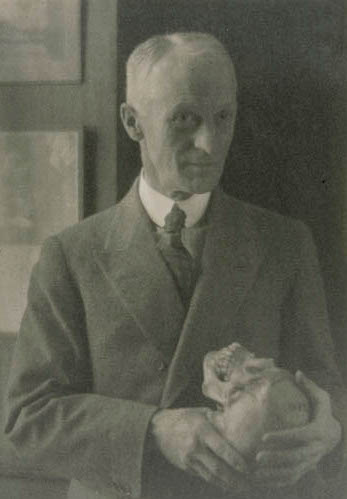 |
| Yes... yes, that is a skull. |
Thursday, 9 August 2012
Film of transphennoidal endoscopic surgery to remove a TSHoma
So while I don't wish to make everyone feel as nauseated as these injections sometimes make me, I found a film of transphennoidal endoscopic surgery to remove a TSHoma! How exciting! This is the type of surgery I will be having soon, probably around November time. The person whose head this was filmed inside is one of my fellow TSH-producing pituitary tumour brethren.
Don't be fooled, it doesn't actually just take six minutes. There's a whole lot of drilling down your nose required first.
Looks pretty simple to me. Well, I mean, it's not rocket science, is it?
The above is a) more suitable for an audience of a delicate disposition and b) one of my favourite Mitchell & Webb moments!
Don't be fooled, it doesn't actually just take six minutes. There's a whole lot of drilling down your nose required first.
Looks pretty simple to me. Well, I mean, it's not rocket science, is it?
The above is a) more suitable for an audience of a delicate disposition and b) one of my favourite Mitchell & Webb moments!
Thursday, 28 June 2012
My Transsphenoidal Pituitary Surgery: Part 1
And so, the day of my pituitary surgery dawned!
Or rather, it didn't. It was still dark when I got up that morning; I had to report to the hospital at 7am and I needed to get up early enough to allow time for paranoid checking and re-checking of my bag. Thank god for the internet - I packed in a rush the night before, but all I had to do was Google "what to pack for hospital" and I was supplied with numerous checklists that helped ensure I did not forget my toothbrush.
I reported in, accompanied by my mum and dad, and was duly supplied with my attractive compression stockings and various leaflets. I was assigned a waiting bed in the neuro day ward, and another lady who was having the same surgery was there as well. One of the nurses ran through the pre-operative assessment form again and I was swabbed for MRSA - apparently if you come up positive they don't cancel your operation but you do get moved to the end of the queue for that day, in case you end up contaminating the patients after you.
It was at this point that I started meeting anaesthetists. A woman walked into the room and introduced herself as my anaesthetist, asked me some questions, and let me ask her any questions I had. Shortly after she left, a man walked into the room, introduced himself as my anaesthetist, seemed surprised when I said I had already met someone claiming to be my anaesthetist, asked if I had any questions, and then left. These two certainly looked and dressed like anaesthetists, but I have to say that the third man to introduce himself as my anaesthetist was the most convincing, as he was sticking a needle into my arm at the time.
There was a lot of sitting around informing people that I wasn't pregnant that morning, plus the signing of various consent forms allowing them to keep slices of tumour for research purposes and promising them not to haunt them if I died. As hospitals are really an ideal setting for poltergeist activity, I for one felt this was pretty harsh.
At some point a nurse asked me to get changed into one of their haute couture hospital gowns, so I did. The lady in the next bed was wheeled off to her surgery. Somewhat later, two young men arrived and announced they had come to take me for a CT scan of my pituitary.* No-one had told me that I was going to have a scan, so this was something of a surprise.
The porters went out to confer with the nurses. There was a considerable amount of to-ing and fro-ing, mind-changing, phonecalls and confusion, but eventually it was decided that yes, I was indeed due to have a CT scan before the surgery. I was told it could take up to an hour, so I cheerily waved my parents goodbye and was wheeled away in my bed by the porters, whose social lives I learned quite a lot about on the way to the distant CT scanner.
I was taken into the scanning waiting room, in the bowels of the hospital, and my bed was parked up. It was not a cheery place; everyone else in there was really not well. I felt strangely fraudulent, sitting up in my wheely bed like a perfectly healthy person, waiting.
And waiting.
There was a bit of a backlog at the scanner, as per usual. I have no idea how long I had been waiting, when all of a sudden, Mr Pout (one of my surgeons - I wrote about him in this post) appeared by the side of my bed, all scrubbed up and out of breath.
"Miss Grey, we've been looking for you!" he cried, in what I felt was an unreasonably reproachful manner given that I had quite clearly not wheeled myself down there. "Everyone's waiting for you in theatre right now!"
Of all the WTF moments that the hospital has given me in our association, that was certainly the strangest to date. Mr Pout grabbed the bed and attempted to wheel me to the operating theatre; not an easy task, plus it was quite a long way away. Hospital beds are like larger, more dangerous supermarket trolleys and require two people for optimum maneouverability. Fortunately we (quite literally) bumped into one of Mr Pout's colleagues along the way, and she lent a hand wheeling me into a lift.
Along the way, Mr Pout breathlessly explained that they had originally been intending to do my pituitary surgery with teeny instruments and the aid of an ENT team (Ear, Norse & Throat; Treebeard doesn't do transsphenoidal surgery), due to my "narrow nasal passages".** In order for this to happen, the ENT people neeed a CT scan. However, when my surgery had been cancelled, they had cancelled the ENT team and had been unable to un-cancel them; consequently they would be doing the surgery the normal way, assuming the instruments would fit up my nose. There was a slight risk, Mr Pout informed me, that they would not.
At this point, Mr Hamstercheeks, the head surgeon appeared. I had never met him before. "
I was just explaining that the surgery might not be able to go ahead if her nose is too small," said Mr Pout.
Mr Hamstercheeks looked at my nose. "No, it'll be fine," he said.
HARSH.
"Can someone please make sure that my parents know I've gone into surgery?" I asked. A nurse asked for their details, picked a phone off the wall and dialled the ward where I had been to request that my parents were told. As I found out later however, somehow the receptionist on the ward managed to get epically confused and my parents were never told, despite asking where I was. They weren't bothered though, they went into town for lunch.
At this point I was still wearing my glasses, hairband, and slippers, which I had to take off; I was super nervous, but in a way the complete muddle over my surgery was kind of good - because it meant I was laughing as they wheeled me into the prep room. I met the third anaesthetist and various people starting sticking needles in my arms. It turns out the third anaesthetist used to live in the same road as me, so we got chatting about the local takeaways. At one point I thought I should just lie back and relax, let the various medical professionals do their thing - but then I suddenly became deeply paranoid that they'd think I was asleep when I wasn't (stupid I know) so I decided to keep talking as long as I was awake.
As this is what I usually do anyway, it was not a problem.
_______________________
*Possibly I should note that they were hospital porters, not kidnappers.
**If you haven't worked it out, transsphenoidal pituitary surgery involves sticking surgical instruments up your nose and drilling through the back of it to gain access to the inside of your skull.
Or rather, it didn't. It was still dark when I got up that morning; I had to report to the hospital at 7am and I needed to get up early enough to allow time for paranoid checking and re-checking of my bag. Thank god for the internet - I packed in a rush the night before, but all I had to do was Google "what to pack for hospital" and I was supplied with numerous checklists that helped ensure I did not forget my toothbrush.
I reported in, accompanied by my mum and dad, and was duly supplied with my attractive compression stockings and various leaflets. I was assigned a waiting bed in the neuro day ward, and another lady who was having the same surgery was there as well. One of the nurses ran through the pre-operative assessment form again and I was swabbed for MRSA - apparently if you come up positive they don't cancel your operation but you do get moved to the end of the queue for that day, in case you end up contaminating the patients after you.
It was at this point that I started meeting anaesthetists. A woman walked into the room and introduced herself as my anaesthetist, asked me some questions, and let me ask her any questions I had. Shortly after she left, a man walked into the room, introduced himself as my anaesthetist, seemed surprised when I said I had already met someone claiming to be my anaesthetist, asked if I had any questions, and then left. These two certainly looked and dressed like anaesthetists, but I have to say that the third man to introduce himself as my anaesthetist was the most convincing, as he was sticking a needle into my arm at the time.
There was a lot of sitting around informing people that I wasn't pregnant that morning, plus the signing of various consent forms allowing them to keep slices of tumour for research purposes and promising them not to haunt them if I died. As hospitals are really an ideal setting for poltergeist activity, I for one felt this was pretty harsh.
At some point a nurse asked me to get changed into one of their haute couture hospital gowns, so I did. The lady in the next bed was wheeled off to her surgery. Somewhat later, two young men arrived and announced they had come to take me for a CT scan of my pituitary.* No-one had told me that I was going to have a scan, so this was something of a surprise.
The porters went out to confer with the nurses. There was a considerable amount of to-ing and fro-ing, mind-changing, phonecalls and confusion, but eventually it was decided that yes, I was indeed due to have a CT scan before the surgery. I was told it could take up to an hour, so I cheerily waved my parents goodbye and was wheeled away in my bed by the porters, whose social lives I learned quite a lot about on the way to the distant CT scanner.
I was taken into the scanning waiting room, in the bowels of the hospital, and my bed was parked up. It was not a cheery place; everyone else in there was really not well. I felt strangely fraudulent, sitting up in my wheely bed like a perfectly healthy person, waiting.
And waiting.
There was a bit of a backlog at the scanner, as per usual. I have no idea how long I had been waiting, when all of a sudden, Mr Pout (one of my surgeons - I wrote about him in this post) appeared by the side of my bed, all scrubbed up and out of breath.
"Miss Grey, we've been looking for you!" he cried, in what I felt was an unreasonably reproachful manner given that I had quite clearly not wheeled myself down there. "Everyone's waiting for you in theatre right now!"
Of all the WTF moments that the hospital has given me in our association, that was certainly the strangest to date. Mr Pout grabbed the bed and attempted to wheel me to the operating theatre; not an easy task, plus it was quite a long way away. Hospital beds are like larger, more dangerous supermarket trolleys and require two people for optimum maneouverability. Fortunately we (quite literally) bumped into one of Mr Pout's colleagues along the way, and she lent a hand wheeling me into a lift.
Along the way, Mr Pout breathlessly explained that they had originally been intending to do my pituitary surgery with teeny instruments and the aid of an ENT team (Ear, Norse & Throat; Treebeard doesn't do transsphenoidal surgery), due to my "narrow nasal passages".** In order for this to happen, the ENT people neeed a CT scan. However, when my surgery had been cancelled, they had cancelled the ENT team and had been unable to un-cancel them; consequently they would be doing the surgery the normal way, assuming the instruments would fit up my nose. There was a slight risk, Mr Pout informed me, that they would not.
At this point, Mr Hamstercheeks, the head surgeon appeared. I had never met him before. "
I was just explaining that the surgery might not be able to go ahead if her nose is too small," said Mr Pout.
Mr Hamstercheeks looked at my nose. "No, it'll be fine," he said.
HARSH.
"Can someone please make sure that my parents know I've gone into surgery?" I asked. A nurse asked for their details, picked a phone off the wall and dialled the ward where I had been to request that my parents were told. As I found out later however, somehow the receptionist on the ward managed to get epically confused and my parents were never told, despite asking where I was. They weren't bothered though, they went into town for lunch.
At this point I was still wearing my glasses, hairband, and slippers, which I had to take off; I was super nervous, but in a way the complete muddle over my surgery was kind of good - because it meant I was laughing as they wheeled me into the prep room. I met the third anaesthetist and various people starting sticking needles in my arms. It turns out the third anaesthetist used to live in the same road as me, so we got chatting about the local takeaways. At one point I thought I should just lie back and relax, let the various medical professionals do their thing - but then I suddenly became deeply paranoid that they'd think I was asleep when I wasn't (stupid I know) so I decided to keep talking as long as I was awake.
As this is what I usually do anyway, it was not a problem.
_______________________
*Possibly I should note that they were hospital porters, not kidnappers.
**If you haven't worked it out, transsphenoidal pituitary surgery involves sticking surgical instruments up your nose and drilling through the back of it to gain access to the inside of your skull.
Wednesday, 27 June 2012
Last Minute Pituitary Surgery
This continues the story from my previous post about the pre-operative assessment I had before going into hospital for transsphenoidal pituitary surgery last year.
The few days before my pituitary surgery were a curious affair. I had been scheduled to go into hospital on the evening of Monday the 11th April, to have surgery on the 12th. On the 8th, I had a missed call from the hospital on my mobile; they left a message informing me that my surgery had been cancelled due to unforeseen circumstances and to await further instructions.
I completely freaked out. I called the hospital and tried to get some explanation or an indication of when I would be able to have the surgery instead; they explained that someone else whose operation had previously been postponed had been bumped up into my spot and they didn't know when the surgery would be. I hadn't realised until then that surgeons queue up a whole day's worth of patients needing the same operation; hopefully unlike judges they don't suffer from decision fatigue or feel the need to spice things up after the third transsphenoidal surgery of the day.
I was really upset. On a practical level, I had arranged my leave from work, wound up everything I needed to do and planned around my absence. My parents had both arranged leave from work and booked into a bed & breakfast nearby so they could come to see me in the hospital. On an emotional level, I was really nervous about the surgery and desperate to get it over and done with.
My boyfriend came over that weekend and we got hilariously lost attempting to go for a walk to a teashop, which obviously made me feel a lot better - especially when we eventually found it and had tea and scones. My parents said they would come up and stay on Monday night anyway, seeing as they had already arranged to do so, and we could all go out to dinner. So, I got over it and started to get used to the idea that I would have to wait longer for the surgery.
Half the office was pretty confused when I turned up at work on Monday, and I spent the day emailing people saying "lol jokes I'm actually still here". Then, at four o'clock in the afternoon, the hospital called. They said they'd had someone "drop out"* of their surgery the next day, so would I like to have mine tomorrow after all?
Of course my immediate reaction was to shout "STOP TOYING WITH ME" down the phone, but somehow I restrained myself and agreed. Then I just about had time to tell my manager and run out of the office to my house,** call my parents and tell them the news, pack, call my boyfriend and tell him the news, text various people, eat some dinner (at Nandos! highly recommended for pre- brain surgery snacks) and go to sleep.
Six weeks later, I discovered I hadn't even remembered to put my Out Of Office autoreply on. There were a lot of emails to go through.
One of the first things they gave me in the hospital was a pair of compression stockings, which I had to wear the whole time I was in there in order to avoid blood clots. They were extremely attractive - I actually still have them in a drawer somewhere. Next time I take a long-distance plane journey, I'll be sorted!
Anyway, the tale of the day of my surgery is a story for another day...
_____________________________
*Still not sure if that's a euphemism for "died"…
**Ok… a bus was involved at some point.
The few days before my pituitary surgery were a curious affair. I had been scheduled to go into hospital on the evening of Monday the 11th April, to have surgery on the 12th. On the 8th, I had a missed call from the hospital on my mobile; they left a message informing me that my surgery had been cancelled due to unforeseen circumstances and to await further instructions.
I completely freaked out. I called the hospital and tried to get some explanation or an indication of when I would be able to have the surgery instead; they explained that someone else whose operation had previously been postponed had been bumped up into my spot and they didn't know when the surgery would be. I hadn't realised until then that surgeons queue up a whole day's worth of patients needing the same operation; hopefully unlike judges they don't suffer from decision fatigue or feel the need to spice things up after the third transsphenoidal surgery of the day.

I was really upset. On a practical level, I had arranged my leave from work, wound up everything I needed to do and planned around my absence. My parents had both arranged leave from work and booked into a bed & breakfast nearby so they could come to see me in the hospital. On an emotional level, I was really nervous about the surgery and desperate to get it over and done with.
My boyfriend came over that weekend and we got hilariously lost attempting to go for a walk to a teashop, which obviously made me feel a lot better - especially when we eventually found it and had tea and scones. My parents said they would come up and stay on Monday night anyway, seeing as they had already arranged to do so, and we could all go out to dinner. So, I got over it and started to get used to the idea that I would have to wait longer for the surgery.
Half the office was pretty confused when I turned up at work on Monday, and I spent the day emailing people saying "lol jokes I'm actually still here". Then, at four o'clock in the afternoon, the hospital called. They said they'd had someone "drop out"* of their surgery the next day, so would I like to have mine tomorrow after all?
Of course my immediate reaction was to shout "STOP TOYING WITH ME" down the phone, but somehow I restrained myself and agreed. Then I just about had time to tell my manager and run out of the office to my house,** call my parents and tell them the news, pack, call my boyfriend and tell him the news, text various people, eat some dinner (at Nandos! highly recommended for pre- brain surgery snacks) and go to sleep.
Six weeks later, I discovered I hadn't even remembered to put my Out Of Office autoreply on. There were a lot of emails to go through.
One of the first things they gave me in the hospital was a pair of compression stockings, which I had to wear the whole time I was in there in order to avoid blood clots. They were extremely attractive - I actually still have them in a drawer somewhere. Next time I take a long-distance plane journey, I'll be sorted!
Anyway, the tale of the day of my surgery is a story for another day...
_____________________________
*Still not sure if that's a euphemism for "died"…
**Ok… a bus was involved at some point.
Saturday, 23 June 2012
Hyperthyroid Patients, Unite!
Subtitle: You have nothing to lose but your goitres!
So here's the strange thing: I have a TSHoma - a pituitary tumour which secretes TSH (thyroid stimulating hormone). It's super rare. According to my endocrinologist there are maybe thirteen or so other people in the UK with this condition which, in a population of 63 million, is Not Very Many, although it probably does go largely underdiagnosed; I had my first symptoms when I was around 16 or 17 and didn't get a diagnosis until I was 22.
But anyway, the point is that it can sometimes almost feel like two separate conditions; I have the pituitary adenoma, and the hyperthyroidism it causes. My symptoms, apart from the odd nasty headache, are pretty much exclusively those of hyperthyroidism; my treatment is for the adenoma. Consequently, although I am in all seriousness a paid-up member of the Pituitary Foundation and can chat about transsphenoidal surgery and lanreotide injections with the best of them, I'm missing out on the chance to bitch and moan about sinus tachycardia and getting the shakes with other people whose blood has turned to delicious thyroid hormone stew. More fool me!
People with excess thyroid hormone usually get that way from either a) taking too high a dose of thyroxine medication (exogenous thyrotoxicosis), or b) something else. The former can be dealt with simply by reducing the dose. The latter is more complicated. Possible causes include:
Graves Disease - the most common cause of hyperthyroidism, Graves is an autoimmune disease which can be treated with anithyroid drugs, surgery to remove part or all of the thyroid, or a dose of radiactive iodine. After such treatment there's a substantial and ironic risk of hypothyroidism - i.e. not having enough thyroid hormone.
Tumours of the thyroid gland - thyroid adenoma is a benign tumour of the thyroid gland which may secrete large amounts of thyroid hormone, while thyroid nodules may be benign or malignant and again may or may not release thyroid hormone - in some cases they may actually inhibit its production, causing hypothyroidism.
Thyroiditis - inflammation of the thyroid gland. Although this often initially leads to high levels of thyroid hormone being released, it usually progresses to thyroid disfunction with the gland unable to produce sufficient hormones, and ultimately causes hypothyroidism. Around 7% of women experience temporary thyroiditis after giving birth (postpartum thyroiditis) which may lead to hyper- or hypothyroidism, or both; this usually resolves itself.
TSH hypersecretion - super rare, but usually caused by a pituitary adenoma (hurrah!). However, I believe there is also the possibility of a tumour in the hypothalamus causing excess Thyrotropin Releasing Hormone and hyperstimulating the pituitary gland to overproduce TSH, which in turn would hyperstimulate the thyroid gland to overproduce thyroid hormone. Again, it's very rare.
I guess really I should be grateful for this, as effectively I have two health conditions for the price of one. This blog is usually focussed mainly around the dramatic "there's a tumour in my head!" aspects of my pituitary adenoma, and poor little hyperthyroidism barely gets a look in, except for when I complain about my tachycardia/hair falling out/absurd appetite issues. But no longer! From now on I vow to go on about hyperthyroidism more. So you guys will get two lots of whingeing for the price of one!
So here's the strange thing: I have a TSHoma - a pituitary tumour which secretes TSH (thyroid stimulating hormone). It's super rare. According to my endocrinologist there are maybe thirteen or so other people in the UK with this condition which, in a population of 63 million, is Not Very Many, although it probably does go largely underdiagnosed; I had my first symptoms when I was around 16 or 17 and didn't get a diagnosis until I was 22.
But anyway, the point is that it can sometimes almost feel like two separate conditions; I have the pituitary adenoma, and the hyperthyroidism it causes. My symptoms, apart from the odd nasty headache, are pretty much exclusively those of hyperthyroidism; my treatment is for the adenoma. Consequently, although I am in all seriousness a paid-up member of the Pituitary Foundation and can chat about transsphenoidal surgery and lanreotide injections with the best of them, I'm missing out on the chance to bitch and moan about sinus tachycardia and getting the shakes with other people whose blood has turned to delicious thyroid hormone stew. More fool me!
People with excess thyroid hormone usually get that way from either a) taking too high a dose of thyroxine medication (exogenous thyrotoxicosis), or b) something else. The former can be dealt with simply by reducing the dose. The latter is more complicated. Possible causes include:
Graves Disease - the most common cause of hyperthyroidism, Graves is an autoimmune disease which can be treated with anithyroid drugs, surgery to remove part or all of the thyroid, or a dose of radiactive iodine. After such treatment there's a substantial and ironic risk of hypothyroidism - i.e. not having enough thyroid hormone.
Tumours of the thyroid gland - thyroid adenoma is a benign tumour of the thyroid gland which may secrete large amounts of thyroid hormone, while thyroid nodules may be benign or malignant and again may or may not release thyroid hormone - in some cases they may actually inhibit its production, causing hypothyroidism.
Thyroiditis - inflammation of the thyroid gland. Although this often initially leads to high levels of thyroid hormone being released, it usually progresses to thyroid disfunction with the gland unable to produce sufficient hormones, and ultimately causes hypothyroidism. Around 7% of women experience temporary thyroiditis after giving birth (postpartum thyroiditis) which may lead to hyper- or hypothyroidism, or both; this usually resolves itself.
TSH hypersecretion - super rare, but usually caused by a pituitary adenoma (hurrah!). However, I believe there is also the possibility of a tumour in the hypothalamus causing excess Thyrotropin Releasing Hormone and hyperstimulating the pituitary gland to overproduce TSH, which in turn would hyperstimulate the thyroid gland to overproduce thyroid hormone. Again, it's very rare.
I guess really I should be grateful for this, as effectively I have two health conditions for the price of one. This blog is usually focussed mainly around the dramatic "there's a tumour in my head!" aspects of my pituitary adenoma, and poor little hyperthyroidism barely gets a look in, except for when I complain about my tachycardia/hair falling out/absurd appetite issues. But no longer! From now on I vow to go on about hyperthyroidism more. So you guys will get two lots of whingeing for the price of one!
Thursday, 12 April 2012
One Year Post Brain Surgery!
This is just a very quick post in case I don't have the time to write something more extensive today (quite possible, I am super busy!) to say - today is the one year anniversary of my transphennoidal pituitary surgery! A year ago right now, I was waking up in the hospital. At first it was pretty painful but I don't really remember that - I just remember being asked to rate the pain on a scale of 1-10 and spending several moments agonising (literally) about exactly what the range should constitute, then deciding on a five. Which was the right decision, because I got a whole bunch of morphine for my troubles. After that for the most part I didn't need much pain relief beyond paracetemol.
They wheeled me up to the ward after a while and I was outraged not to find my parents waiting for me, so I sent them a demanding text message insisting they come and see me (turns out they were not ever actually told that I had gone for surgery... that's another story) and was generally surprisingly perky for the rest of the evening thanks to a combination of steroids and morphine. Whoop! Also incredibly thirsty.
But anyhow that was a YEAR ago, which really is pretty hard to believe! My pituitary adenoma was significantly diminished after its encounter with my neurosurgeons... and now I'm waiting to find out how it looks one year on.
They wheeled me up to the ward after a while and I was outraged not to find my parents waiting for me, so I sent them a demanding text message insisting they come and see me (turns out they were not ever actually told that I had gone for surgery... that's another story) and was generally surprisingly perky for the rest of the evening thanks to a combination of steroids and morphine. Whoop! Also incredibly thirsty.
But anyhow that was a YEAR ago, which really is pretty hard to believe! My pituitary adenoma was significantly diminished after its encounter with my neurosurgeons... and now I'm waiting to find out how it looks one year on.
Wednesday, 7 March 2012
Pituitary Tumour Surgery: Hypophysectomy or Adenectomy?
I can't believe that it's March already! This time last year, I was in a flurry of nervousness, waiting to find out the date of my pituitary surgery. Before setting a definite date, you get the chance to meet your surgeon and you're called in for a pre-operative assessment.
At the time, I was informed that the full name for standard pituitary surgery is transsphenoidal hypophysectomy. On reflection, this seems strange because "hypophys-ectomy" implies that they're aiming to cut out ("-ectomy") the whole pituitary gland ("hypophys-") when, in fact, the aim is to cut out the pituitary tumour while leaving the healthy gland intact. I've also seen the phrase "transsphenoidal adenectomy" used for the same procedure, but in fact that's even less specific as the "aden-" part just means "gland", so an adenectomy is simply the surgical removal of any gland. An adenoma-ectomy would indicate surgery to cut out a glandular tumour, and a quick scan of Google indicates that this phrase is also in use amongst the medical profession. How confusing.
Excuse the unexciting etymological rambling, but this has literally only just occurred to me.
ANYWAY.
A word of advice to anyone about to undergo pituitary surgery: don't tell your friends and family that you're going to a pre-op assessment for a transsphenoidal hypophysectomy. They will either gaze at you blankly and without comprehension, or they will hone in on the words "pre-op" (as in TRANSSEXUAL) and "blah-blah-physectomy" (sounds a bit like VASECTOMY) and ask if you're secretly a man.*
This may be upsetting.
In any case, I think that the pre-operative assessment and Question Time with Mr Surgeon probably deserve posts to themselves, so on that bombshell... adieu.
_____________________________________________________________
* Or presumably, if you are male, whether you're about to become a woman.
At the time, I was informed that the full name for standard pituitary surgery is transsphenoidal hypophysectomy. On reflection, this seems strange because "hypophys-ectomy" implies that they're aiming to cut out ("-ectomy") the whole pituitary gland ("hypophys-") when, in fact, the aim is to cut out the pituitary tumour while leaving the healthy gland intact. I've also seen the phrase "transsphenoidal adenectomy" used for the same procedure, but in fact that's even less specific as the "aden-" part just means "gland", so an adenectomy is simply the surgical removal of any gland. An adenoma-ectomy would indicate surgery to cut out a glandular tumour, and a quick scan of Google indicates that this phrase is also in use amongst the medical profession. How confusing.
Excuse the unexciting etymological rambling, but this has literally only just occurred to me.
ANYWAY.
A word of advice to anyone about to undergo pituitary surgery: don't tell your friends and family that you're going to a pre-op assessment for a transsphenoidal hypophysectomy. They will either gaze at you blankly and without comprehension, or they will hone in on the words "pre-op" (as in TRANSSEXUAL) and "blah-blah-physectomy" (sounds a bit like VASECTOMY) and ask if you're secretly a man.*
This may be upsetting.
In any case, I think that the pre-operative assessment and Question Time with Mr Surgeon probably deserve posts to themselves, so on that bombshell... adieu.
_____________________________________________________________
* Or presumably, if you are male, whether you're about to become a woman.
Friday, 3 February 2012
The Silence of the Gland: Diagnosed
It's been a while since I wrote the last post about my previous attempts at diagnosis, so I decided to man up and get the heck on with it. Yeah! USA! USA!*
Obviously my tales of pituitary surgery will be the most enthralling/gross, but who knows, maybe the events leading up to surgery will also be of interest to someone. If worst comes to the worst and I develop dementia in my old age, I guess I can read all about my exciting earlier life!
It had been determined that there was nothing wrong with my heart. My cardiologist ordered several blood tests and referred me to endocrinology.
This is where it gets dull and technical.
What I didn't know was that, up until that point, although I showed symptoms of hyperthyroidism, my doctors had only ordered blood tests which looked at my levels of thyroid-stimulating hormone, rather than the thyroid hormones themselves. TSH is produced by the pituitary, then it travels through the blood and spurs the thyroid gland to produce thyroid hormones. Usually, when hyperthyroidism is caused by a problem with the thyroid gland, you would expect the pituitary gland to produce only very low level of thyroid-stimulating hormone (TSH), as the body is trying to suppress the overproduction of thyroid hormones. However, my TSH tests had always come back within the "normal range", so it was assumed that hyperthyroidism was not the problem.
Then a letter dropped through my door from one of the consultant endocrinologists at the hospital. It informed me that my blood test results were "very unusual", and that they suspected I may have a rare condition called resistance to thyroid hormone (RTH). I was called into the hospital for further tests.
At the hospital, I met the consultant who had written the letter. To this day, he possesses one of the finest moustaches I have ever seen. Whilst I sat wondering what kind of scissors he used to trim it so neatly across his upper lip, he informed me that resistance to thyroid hormone is a rare genetic condition, in which most or all of the body's tissues do not respond normally to thyroid hormone. In some people, there are few symptoms as the whole body is equally resistant to the hormone, resulting in high levels of thyroid hormone in the blood but few issues associated with this; in others, the pituitary is more resistant than other tissues to thyroid hormone, leading to some symptoms of hyperthyroidism.
My blood tests showed that I had normal levels of thyroid stimulating hormone, but high levels of thyroid hormones T3 and T4 in my blood - indicating that my pituitary was not responding normally to the high thyroid levels. I was told that the only other possibility was that I might have a tumour on my pituitary which was producing TSH, a.k.a. a TSH-oma, but that this was even more absurdly rare than resistance to thyroid hormone and it was much more likely to be RTH.
I had more complex blood tests at the hospital, and they even took DNA samples to look for the particular mutation. Everything came back negative. The moustachioed doctor's main area of interest was resistance to thyroid hormone, so he passed my case to a colleague specialising in pituitary issues; it was pretty much certain by then that I had a pituitary adenoma, they just needed an MRI to show the tumour. Which they did - and I've already written a post about the MRI, which you can read here.
I don't really remember the phone call from my endocrinologist informing me that I did indeed have a pituitary macroadenoma, measuring 23mm by 19mm by some other measurement which I've forgotten. By that point I had had a chance to get used to the idea that I had a pituitary tumour, so the phone call was really just official confirmation with additional details. But I do remember calling my mum to tell her the news; I walked home from work the long way, through one of the big parks nearby.
After that it was a bit of a whirl of activity. I got the news just before Christmas 2010 and as soon as I arrived back in town after New Year's, I had to arrange to start lanreotide injections to reduce the amount of TSH the tumour was producing. They wanted me to have injections for three months, then a transsphenoidal hypophysectomy (that's pituitary surgery to you and me) immediately afterwards. I had to spend a day in hospital so that they could check that my pituitary was still producing other hormones at a normal level and wasn't about to collapse due to a lack of adrenocorticotropic hormone or something. It all passed in a bit of a blur; the idea of surgery was definitely what most occupied my mind in the intervening months...
UPDATE: You can click here to read about my experience having an MRI scan, or click here to go back and read about my earlier experiences trying to get a diagnosis.
____________________________________________________________
*Or something...

Obviously my tales of pituitary surgery will be the most enthralling/gross, but who knows, maybe the events leading up to surgery will also be of interest to someone. If worst comes to the worst and I develop dementia in my old age, I guess I can read all about my exciting earlier life!
LAST TIME ON PITUITARY ADEMOANER:
This is where it gets dull and technical.
What I didn't know was that, up until that point, although I showed symptoms of hyperthyroidism, my doctors had only ordered blood tests which looked at my levels of thyroid-stimulating hormone, rather than the thyroid hormones themselves. TSH is produced by the pituitary, then it travels through the blood and spurs the thyroid gland to produce thyroid hormones. Usually, when hyperthyroidism is caused by a problem with the thyroid gland, you would expect the pituitary gland to produce only very low level of thyroid-stimulating hormone (TSH), as the body is trying to suppress the overproduction of thyroid hormones. However, my TSH tests had always come back within the "normal range", so it was assumed that hyperthyroidism was not the problem.
Then a letter dropped through my door from one of the consultant endocrinologists at the hospital. It informed me that my blood test results were "very unusual", and that they suspected I may have a rare condition called resistance to thyroid hormone (RTH). I was called into the hospital for further tests.
At the hospital, I met the consultant who had written the letter. To this day, he possesses one of the finest moustaches I have ever seen. Whilst I sat wondering what kind of scissors he used to trim it so neatly across his upper lip, he informed me that resistance to thyroid hormone is a rare genetic condition, in which most or all of the body's tissues do not respond normally to thyroid hormone. In some people, there are few symptoms as the whole body is equally resistant to the hormone, resulting in high levels of thyroid hormone in the blood but few issues associated with this; in others, the pituitary is more resistant than other tissues to thyroid hormone, leading to some symptoms of hyperthyroidism.

My blood tests showed that I had normal levels of thyroid stimulating hormone, but high levels of thyroid hormones T3 and T4 in my blood - indicating that my pituitary was not responding normally to the high thyroid levels. I was told that the only other possibility was that I might have a tumour on my pituitary which was producing TSH, a.k.a. a TSH-oma, but that this was even more absurdly rare than resistance to thyroid hormone and it was much more likely to be RTH.
I had more complex blood tests at the hospital, and they even took DNA samples to look for the particular mutation. Everything came back negative. The moustachioed doctor's main area of interest was resistance to thyroid hormone, so he passed my case to a colleague specialising in pituitary issues; it was pretty much certain by then that I had a pituitary adenoma, they just needed an MRI to show the tumour. Which they did - and I've already written a post about the MRI, which you can read here.
I don't really remember the phone call from my endocrinologist informing me that I did indeed have a pituitary macroadenoma, measuring 23mm by 19mm by some other measurement which I've forgotten. By that point I had had a chance to get used to the idea that I had a pituitary tumour, so the phone call was really just official confirmation with additional details. But I do remember calling my mum to tell her the news; I walked home from work the long way, through one of the big parks nearby.
After that it was a bit of a whirl of activity. I got the news just before Christmas 2010 and as soon as I arrived back in town after New Year's, I had to arrange to start lanreotide injections to reduce the amount of TSH the tumour was producing. They wanted me to have injections for three months, then a transsphenoidal hypophysectomy (that's pituitary surgery to you and me) immediately afterwards. I had to spend a day in hospital so that they could check that my pituitary was still producing other hormones at a normal level and wasn't about to collapse due to a lack of adrenocorticotropic hormone or something. It all passed in a bit of a blur; the idea of surgery was definitely what most occupied my mind in the intervening months...
UPDATE: You can click here to read about my experience having an MRI scan, or click here to go back and read about my earlier experiences trying to get a diagnosis.
____________________________________________________________
*Or something...
Wednesday, 23 November 2011
Why I Love Blood Tests
One of those occasions where I wrote the post title first, then went "hmm" and sat back, doubtfully stroking the beard I don't have.* And then had to go look up the correct spelling of the word "occasion". I definitely feel it looks better with two S's.
I've never been a massive fan of blood tests, and my opinion of them hasn't exactly improved with much closer acquaintance. And trust me, diagnosing a TSH-secreting pituitary adenoma involves a very close acquaintance with the phlebotomists of your local hospital.
People are weird, so there's probably at least a couple of oddballs out there who positively enjoy having their blood weaseled away by an overgrown thumbtack, but I am not one of them.
Additionally, one of the things they mysteriously forget to mention before you undergo transsphenoidal hypophysectomy surgery - and frankly, who knows if I spellt that right - is that afterwards, you have blood tests every hour for the first six hours, then every two hours for the next twelve hours, then every four hours, etc. In layman's terms, this translates to being repeatedly woken in the middle of the night by a very nice nurse who is attempting the impossible, viz., sticking adirty clean great needle into your arm without waking you up. It is deeply unpleasant.
But I do try to see the sunny side. For instance, blood tests are much more fun than injections, especially injections into muscle. And injections of lanreotide, which really smart; it's a bit like having liquid stinging nettles injected into your hip. Blood tests are also, I imagine, fun than diptheria. In fact, once you start to think about it, blood tests come out looking positively rosy. Plus, when I go in for blood tests I get the chance to catch up with the lovely endocrine nurses at the hospital/the lovely Caribbean & Australian nurses at my GPs.
I do tend to get a bit faint after having my blood stolen, particularly if they've taken a reasonable amount - I'm okay with one vial, but there have been occasions when they've taken fourteen, which does make me a little woozy. But I've had so much practise now that I inadvertently discovered the cure - a drink of Ribena beforehand does wonders, and sugary food afterwards is also good. For best results, return from the hospital to a glass of orange juice and platter of Haribo and chocolate orange slices prepared by a lovely boyfriend <3
________________________________________________
*Actually, following a youthful fall from the monkey bars, I do in fact have a large (yet fortunately solitary) beard hair which grows from the scar tissue in my chin. Sexy.
I've never been a massive fan of blood tests, and my opinion of them hasn't exactly improved with much closer acquaintance. And trust me, diagnosing a TSH-secreting pituitary adenoma involves a very close acquaintance with the phlebotomists of your local hospital.
People are weird, so there's probably at least a couple of oddballs out there who positively enjoy having their blood weaseled away by an overgrown thumbtack, but I am not one of them.
Additionally, one of the things they mysteriously forget to mention before you undergo transsphenoidal hypophysectomy surgery - and frankly, who knows if I spellt that right - is that afterwards, you have blood tests every hour for the first six hours, then every two hours for the next twelve hours, then every four hours, etc. In layman's terms, this translates to being repeatedly woken in the middle of the night by a very nice nurse who is attempting the impossible, viz., sticking a
But I do try to see the sunny side. For instance, blood tests are much more fun than injections, especially injections into muscle. And injections of lanreotide, which really smart; it's a bit like having liquid stinging nettles injected into your hip. Blood tests are also, I imagine, fun than diptheria. In fact, once you start to think about it, blood tests come out looking positively rosy. Plus, when I go in for blood tests I get the chance to catch up with the lovely endocrine nurses at the hospital/the lovely Caribbean & Australian nurses at my GPs.
I do tend to get a bit faint after having my blood stolen, particularly if they've taken a reasonable amount - I'm okay with one vial, but there have been occasions when they've taken fourteen, which does make me a little woozy. But I've had so much practise now that I inadvertently discovered the cure - a drink of Ribena beforehand does wonders, and sugary food afterwards is also good. For best results, return from the hospital to a glass of orange juice and platter of Haribo and chocolate orange slices prepared by a lovely boyfriend <3
________________________________________________
*Actually, following a youthful fall from the monkey bars, I do in fact have a large (yet fortunately solitary) beard hair which grows from the scar tissue in my chin. Sexy.
Subscribe to:
Posts (Atom)