Aloha! It's been another age since I've written in here! My apologies. I thought I'd pop by to give you a quick update.
Way back on the 15th April I had an MRI scan at the hospital (so long ago that I had to look up the dates in my diary at work...). I didn't get the results until the 20th May, when I had an appointment with a very nice nurse in Neurosurgery. My lovely boyfriend came with me to the hospital and saw the scan images, so I guess now he is in the enviable position of having seen exactly what's going on inside his girlfriend's head!
The scans look pretty good - it's always hard to tell just from an MRI, but the surgeons were optimistic that they managed to remove the whole tumour, and there's nothing obviously wrong in the images. The trouble is that the pituitary gland is so tiny - about the size of your little fingernail - so even with the contrast injections, at best an MRI is only an indication of what's going on in there - blood tests are very important as well. But the surgeons are very happy with me, and as far as they're concerned, I don't have to have another MRI for a year. Hurrah!
On the 27th June I went to see the endocrine nurses for a synacthen test. This test evaluates how well the pituitary is producing adrenocorticotropic hormone (ACTH). This hormone is really crucial for your body, and because there's always a risk that surgery can damage the pituitary gland, patients who have transsphenoidal surgery are put on replacement steroid medication as a matter of course. The doctors will only let you come off the medication if a synacthen test shows your pituitary gland is now able to produce ACTH on demand.
I already had one of these tests back in March and my pituitary had a fairly good response, but not quite good enough to come off the medication totally. The endocrinologists halved my dose of hydrocortisone, but I'm still taking 5mg in the morning and 5mg at midday. I'm hoping that the results of my test last week will be good enough for me to come off the steroids totally. It would be in line with what happened after my last operation, when it took about six months before I was able to come off medication. Certainly immediately after the operation I was in need of the steroids - about a month after surgery, I forgot my 4 o'clock 5mg dose, and was a complete emotional wreck all evening until I remembered I hadn't taken it at about 7pm. I took it - and half an hour later I was already feeling immensely better. More recently I have forgotten to take my hydrocortisone on time once or twice and not had any ill effects at all, which hopefully is a good sign.
I don't know yet what date I'm due back at the hospital for my next proper follow-up with endocrinology. I had thought it would be the end of June, but apparently it's actually going to be the end of July, four months after my last clinic appointment. Then I should get the results of the synacthen test, and the other blood tests they did at the same time to check my thyroid levels.
Showing posts with label pituitary. Show all posts
Showing posts with label pituitary. Show all posts
Monday, 1 July 2013

Tuesday, 29 January 2013
Back on the ward
Once I woke up after my endoscopic transsphenoidal pituitary adenoma resection surgery (that's what they called it on the forms!) I had half an hour or so in the post-surgical recovery area to rehydrate and have regular neurological checks. I had these throughout my time in hospital, with decreasing regularity. They ask you where you are, what year it is etc (it usually takes me until at least February to readjust to a new year so I had to concentrate for that one), then there are physical tests; squeezing hands, pulling and pushing with your hands and feet etc. to check that nothing weird's going on in your head.
The last time I had pituitary surgery, I was pretty perky afterwards, probably because I had a whole bunch of morphine when I woke up. This time however, my head barely hurt when I woke up, so no morphine, so I was rather more subdued... Which I think everyone else was probably thankful for. I was taken onto the ward and my parents arrived not long after. A nurse brought me a yoghurt to eat and then a tuna sandwich - I only managed about a quarter of it, but it was really nice to have some food, and when the tea trolley came around I was practically in heaven.
At first I had to have observations taken every half an hour for the first six hours, then once an hour for six hours, then every two hours, and so on. Observations involved measuring blood pressure, blood oxygen levels, heart rate, breathing rate, pupil response to having bright light shone in them (usual response: argh, get that light out of my face), and the aforementioned neurological tests.
I was really not in much pain at all, I had some paracetemol and that was all I needed with regards to painkillers - I was up and walking to the loo within two hours of waking up, so I did pretty well I think. They start you on hydrocortisone, a steroid medication, immediately after surgery (via IV drip initially) because there's always a risk that your body will stop producing steroid hormone after the operation, which may be temporary or permanent.
The most exciting thing to happen was a ninja nosebleed, which suddenly appeared from out of the blue. A nurse ran up to the neurosurgical theatres to grab a selection of bandages wrapped up in bandages, to tie around my face like an attractive surgical moustache and catch any unexpected oozing.
The last time I had pituitary surgery, I was pretty perky afterwards, probably because I had a whole bunch of morphine when I woke up. This time however, my head barely hurt when I woke up, so no morphine, so I was rather more subdued... Which I think everyone else was probably thankful for. I was taken onto the ward and my parents arrived not long after. A nurse brought me a yoghurt to eat and then a tuna sandwich - I only managed about a quarter of it, but it was really nice to have some food, and when the tea trolley came around I was practically in heaven.
At first I had to have observations taken every half an hour for the first six hours, then once an hour for six hours, then every two hours, and so on. Observations involved measuring blood pressure, blood oxygen levels, heart rate, breathing rate, pupil response to having bright light shone in them (usual response: argh, get that light out of my face), and the aforementioned neurological tests.
I was really not in much pain at all, I had some paracetemol and that was all I needed with regards to painkillers - I was up and walking to the loo within two hours of waking up, so I did pretty well I think. They start you on hydrocortisone, a steroid medication, immediately after surgery (via IV drip initially) because there's always a risk that your body will stop producing steroid hormone after the operation, which may be temporary or permanent.
The most exciting thing to happen was a ninja nosebleed, which suddenly appeared from out of the blue. A nurse ran up to the neurosurgical theatres to grab a selection of bandages wrapped up in bandages, to tie around my face like an attractive surgical moustache and catch any unexpected oozing.
Saturday, 19 January 2013
I've had my second pituitary surgery!
Aloha! I'm typing to you from the sofa in the front room of my parents house, on my beloved laptop Larry (who, incidentally, I received as an early birthday present the last time I had pituitary surgery).
I had my second transsphenoidal pituitary surgery on Tuesday morning. Happily, I was first on the list for surgery that day, so I rocked up at the hospital at 7am, was having anaesthetic administered at ten to nine, and woke up in the recovery room at half twelve.
Although I was told that I would be in hospital for a minimum of 4 - 7 days after surgery, I actually managed to get released a day early, on Thursday, which was a bit of a surprise for all concerned really. The endocrinologists were happy to give me the all-clear to leave early, in part because it's a long car journey to my parents house from the hospital and heavy snow was forecast for Friday.
I will have to write about my pituitary surgery experience in dribs and drabs, I'm afraid, I'm not quite up to typing the full story in one go at the moment. Essentially the surgery went well; there's a slightly higher risk of complications such as cerebrospinal fluid leak after your second surgery, but so far (touch wood!) I seem to be doing ok. The neurosurgeons seem very happy with how the operation went; it was endoscopic transsphenoidal surgery this time, which gives a much better view of the surgical site, and the surgeons seem confident that they managed to remove the pituitary tumour whilst leaving the pituitary gland itself intact. They also said that the lanreotide injections I've been on for the last couple of months seem to have had a noticeable effect on the tumour, shrinking and partially liquefying it, which made the surgery easier.
Anyway, that's more than enough typing for my tired head. Ciao!
I had my second transsphenoidal pituitary surgery on Tuesday morning. Happily, I was first on the list for surgery that day, so I rocked up at the hospital at 7am, was having anaesthetic administered at ten to nine, and woke up in the recovery room at half twelve.
Although I was told that I would be in hospital for a minimum of 4 - 7 days after surgery, I actually managed to get released a day early, on Thursday, which was a bit of a surprise for all concerned really. The endocrinologists were happy to give me the all-clear to leave early, in part because it's a long car journey to my parents house from the hospital and heavy snow was forecast for Friday.
I will have to write about my pituitary surgery experience in dribs and drabs, I'm afraid, I'm not quite up to typing the full story in one go at the moment. Essentially the surgery went well; there's a slightly higher risk of complications such as cerebrospinal fluid leak after your second surgery, but so far (touch wood!) I seem to be doing ok. The neurosurgeons seem very happy with how the operation went; it was endoscopic transsphenoidal surgery this time, which gives a much better view of the surgical site, and the surgeons seem confident that they managed to remove the pituitary tumour whilst leaving the pituitary gland itself intact. They also said that the lanreotide injections I've been on for the last couple of months seem to have had a noticeable effect on the tumour, shrinking and partially liquefying it, which made the surgery easier.
Anyway, that's more than enough typing for my tired head. Ciao!
Wednesday, 9 January 2013
Ear, Nose, and Throat
When I got my appointment to see the ENT people, I learned a new word.
Not panjandrum (although that is another new word I learned recently and
haven't had the chance to trot out yet) or fissiparous (likewise), but
otolaryngology. Which, it turns out, is the proper name for Ear, Nose &
Throat. I had always vaguely wondered why other medical departments got
to use such fancy names - cardiac for heart, renal for kidney etc -
while the poor Ear, Nose and Throat people were stuck with a name that
sounds like an extended edition of the popular children's song "Heads,Shoulders, Knees and Toes". Turns out they do have a fancy name after
all. Who knew?
So I went to see the otolaryngologist. I went into his office and he asked about the problems I've had with my nose and sinuses since my first operation - I still use a nose spray twice a day because otherwise it's too painful. He was very nice, right up to the point where he announced he was going to put a camera stick up my nose.*
Firstly I had to have a topical anaesthetic, which was administered as a nose spray. It went right down my nose and numbed the back of my tongue as well, which not only felt incredibly strange but tasted revolting. Then after giving it a few minutes for the anaesthetic to work, out came the camera stick which was slowly fed into my left nostril. It wasn't too bad at first, although it was incredibly freaky to see quite a long stick disappearing into my head. I felt like one of those "human blockhead" circus sideshow acts where they hammer nails into their nose, except it was uncomfortable enough even with topical anaesthetic that I can't imagine volunteering to do it without one.
Then once the camera was at the back of my nose, the otolaryngologist started poking around more, and that was genuinely painful; it was quite hard to keep my head still and my eyes were watering. Then of course, he had to do the other nostril.
The good news was that there's nothing much wrong with my nose, although part of one of the structures inside (I cannot for the life of me remember what he called it, and Google has been no help) has ended up knocked sideways, probably from the surgery. I just have to keep using the nose spray I already take, indefinitely. It may eventually clear up, or it may not.
Then after the pituitary surgery, I'll go in to have a check up with ENT once I've healed up. After the operation I have to use a nasal wash, which sounds pretty gross - basically it involves putting saline solution up one nostril from a little pot and rinsing it around inside your nose. Eurgh. I have heard of this before, I believe it's quite common in India and Pakistan and that part of the world - I believe in Pakistan recently there was an outbreak of cases of naegleria fowleri, a particularly nasty brain-eating amoeba (no, I'm not making this up) as a result of people using water that hadn't been boiled to wash out their noses.
So the moral of the story is: boil the damn water.
Ahem.
Anyway, then I returned home to regale my housemates and boyfriend with the story in glorious technicolour detail, by which time thankfully the anaesthetic had mostly worn off and my face was starting to feel a lot more normal again.
____________________________________
* N.B. In fairness, "camera stick" is not the term he used.
So I went to see the otolaryngologist. I went into his office and he asked about the problems I've had with my nose and sinuses since my first operation - I still use a nose spray twice a day because otherwise it's too painful. He was very nice, right up to the point where he announced he was going to put a camera stick up my nose.*
Firstly I had to have a topical anaesthetic, which was administered as a nose spray. It went right down my nose and numbed the back of my tongue as well, which not only felt incredibly strange but tasted revolting. Then after giving it a few minutes for the anaesthetic to work, out came the camera stick which was slowly fed into my left nostril. It wasn't too bad at first, although it was incredibly freaky to see quite a long stick disappearing into my head. I felt like one of those "human blockhead" circus sideshow acts where they hammer nails into their nose, except it was uncomfortable enough even with topical anaesthetic that I can't imagine volunteering to do it without one.
Then once the camera was at the back of my nose, the otolaryngologist started poking around more, and that was genuinely painful; it was quite hard to keep my head still and my eyes were watering. Then of course, he had to do the other nostril.
The good news was that there's nothing much wrong with my nose, although part of one of the structures inside (I cannot for the life of me remember what he called it, and Google has been no help) has ended up knocked sideways, probably from the surgery. I just have to keep using the nose spray I already take, indefinitely. It may eventually clear up, or it may not.
Then after the pituitary surgery, I'll go in to have a check up with ENT once I've healed up. After the operation I have to use a nasal wash, which sounds pretty gross - basically it involves putting saline solution up one nostril from a little pot and rinsing it around inside your nose. Eurgh. I have heard of this before, I believe it's quite common in India and Pakistan and that part of the world - I believe in Pakistan recently there was an outbreak of cases of naegleria fowleri, a particularly nasty brain-eating amoeba (no, I'm not making this up) as a result of people using water that hadn't been boiled to wash out their noses.
So the moral of the story is: boil the damn water.
Ahem.
Anyway, then I returned home to regale my housemates and boyfriend with the story in glorious technicolour detail, by which time thankfully the anaesthetic had mostly worn off and my face was starting to feel a lot more normal again.
____________________________________
* N.B. In fairness, "camera stick" is not the term he used.
Tuesday, 8 January 2013
Round 2 With Neurosurgery
So, back to the story of my various experiences way back in November! A
mere two months late...
On the 5th November, I had an appointment at the Neurosurgery clinic - as I discovered less than a week beforehand. I had been very nervous about it, but I turned up at the hospital on time, and went through the strange procedure in Neurosurgery where they seat you in one waiting room for five minutes, then lead you through to a second waiting room further along the corridor shortly afterwards. The last time I had apre-surgery appointment with Neuro, I was kept waiting for about three hours, so I had come prepared with su-dokus and a lengthy novel - but amazingly this time I was only there for around twenty minutes.
My second surprise when I was shown in to see the surgeon was that he was actually the surgeon named on my paperwork; previously when I went to meet the surgeon, I just met a member of the surgical team, not the leading surgeon dude himself. But there he was, complete with a trainee doctor who was shadowing him for the week. It's a teaching hospital, so I'm quite used to having an assortment of medical students sitting in on my appointments; the highlight was probably a charming exchange student from Japan who was assigned to the endocrinology department. When an endocrinological emergency meant that we were sat alone together in my endocrinologist's office for twenty minutes, he admitted that he had no desire to become an endocrinologist himself, but we did have a very nice chat about Japanese medical schools.
So, I sat down and the neurosurgeon mentioned the results of my recentMRI pituitary scan, and seemed surprised to hear that no-one had told me about them. Back when I first became a patient, when I had an MRI someone was guaranteed to phone me and let me know the results, but alas in recent times this seems to have completely fallen by the wayside, and it's so much hassle trying to call up and find out myself that I tend to just wait until my next appointment to find out.
It was good news; the pituitary tumour hadn't grown since the previous scan in July, and in fact if anything they thought it might have reduced in size slightly, although it's difficult to tell with these things unless it's a substantial change. I had the scan at the end of October, by which time I'd been on my lanreotide injections for two months continuously, and before that I had an injection in August which lasted for a month, followed by a month without medication before the injections started again. So it looks like they were effective at controlling the pituitary tumour growth, which is excellent news! Although I've had the injections before, they've never really looked at whether they had an effect on the size of the tumour by scanning a "before and after" shot, which is something I've found a bit strange, to be honest.
Despite that, the neurosurgeon was (perhaps unsurprisingly) keen to press on with endoscopic transsphenoidal surgery. The risks are largely the same as last time, although slightly increased as it's a second surgery. There's about a 15% chance that surgery will leave me with hypopituitarism - i.e. unable to produce one or more pituitary hormones. The most likely one to go would be thyroid stimulating hormone, as that's what the tumour produces, but it could be anything. Any hormone that I can't make would need replacing with medication (except possibly growth hormone, which they don't tend to replace unless strictly necessary), which I'd probably have to take permanently (although it depends; some people develop hormone deficiencies right after surgery and then recover). I'll be back on the steroids after the surgery until it's clear that my pituitary is producing ACTH (adrenocorticotropic hormone) again. Last time I was given a pill slicer when I left hospital, which I managed to lose, to my great regret - I'm secretly hoping I'll get another one.
There's also a slight risk of waking up with permanent double vision. The surgeon told me that he "can't remember" the last time this happened, but until I see a certificate assuring me that he doesn't have any kind of early-onset dementia, I refuse to be entirely reassured. It's because the tumour is now over to one side of the pituitary and surgery will thus be taking place closer to various important eye nervy things. I hope I'm not confusing you with all this technobabble.
It's a slightly different type of surgery I'll be having this time, endoscopic transsphenoidal surgery, which takes a bit longer but should have better results. I'll be under anaesthetic for longer, so probably will have more side effects from that and take longer to get over the anaesthetic. On the plus side though, they might not need to put packing in my nose afterwards, which would be awesome, because having the packing taken out last time was So Not Fun. However, I bled oozily from the nose for like three days last time and had to wear a hilarious moustache made out of bandages to catch all the blood (sorry for the TMI) for several days, so I guess I might be one of the unlucky cases who still needs packing. But oh my goodness, it would be nice not to have it.
Anyway, the whole consultation didn't take very long at all really, I couldn't think of any good questions, so I went home. The very next day, I was off to see the Ear Nose and Throat people... and have a tiny camera pushed up my nose. But more on that next time...
On the 5th November, I had an appointment at the Neurosurgery clinic - as I discovered less than a week beforehand. I had been very nervous about it, but I turned up at the hospital on time, and went through the strange procedure in Neurosurgery where they seat you in one waiting room for five minutes, then lead you through to a second waiting room further along the corridor shortly afterwards. The last time I had apre-surgery appointment with Neuro, I was kept waiting for about three hours, so I had come prepared with su-dokus and a lengthy novel - but amazingly this time I was only there for around twenty minutes.
My second surprise when I was shown in to see the surgeon was that he was actually the surgeon named on my paperwork; previously when I went to meet the surgeon, I just met a member of the surgical team, not the leading surgeon dude himself. But there he was, complete with a trainee doctor who was shadowing him for the week. It's a teaching hospital, so I'm quite used to having an assortment of medical students sitting in on my appointments; the highlight was probably a charming exchange student from Japan who was assigned to the endocrinology department. When an endocrinological emergency meant that we were sat alone together in my endocrinologist's office for twenty minutes, he admitted that he had no desire to become an endocrinologist himself, but we did have a very nice chat about Japanese medical schools.
So, I sat down and the neurosurgeon mentioned the results of my recentMRI pituitary scan, and seemed surprised to hear that no-one had told me about them. Back when I first became a patient, when I had an MRI someone was guaranteed to phone me and let me know the results, but alas in recent times this seems to have completely fallen by the wayside, and it's so much hassle trying to call up and find out myself that I tend to just wait until my next appointment to find out.
It was good news; the pituitary tumour hadn't grown since the previous scan in July, and in fact if anything they thought it might have reduced in size slightly, although it's difficult to tell with these things unless it's a substantial change. I had the scan at the end of October, by which time I'd been on my lanreotide injections for two months continuously, and before that I had an injection in August which lasted for a month, followed by a month without medication before the injections started again. So it looks like they were effective at controlling the pituitary tumour growth, which is excellent news! Although I've had the injections before, they've never really looked at whether they had an effect on the size of the tumour by scanning a "before and after" shot, which is something I've found a bit strange, to be honest.
Despite that, the neurosurgeon was (perhaps unsurprisingly) keen to press on with endoscopic transsphenoidal surgery. The risks are largely the same as last time, although slightly increased as it's a second surgery. There's about a 15% chance that surgery will leave me with hypopituitarism - i.e. unable to produce one or more pituitary hormones. The most likely one to go would be thyroid stimulating hormone, as that's what the tumour produces, but it could be anything. Any hormone that I can't make would need replacing with medication (except possibly growth hormone, which they don't tend to replace unless strictly necessary), which I'd probably have to take permanently (although it depends; some people develop hormone deficiencies right after surgery and then recover). I'll be back on the steroids after the surgery until it's clear that my pituitary is producing ACTH (adrenocorticotropic hormone) again. Last time I was given a pill slicer when I left hospital, which I managed to lose, to my great regret - I'm secretly hoping I'll get another one.
There's also a slight risk of waking up with permanent double vision. The surgeon told me that he "can't remember" the last time this happened, but until I see a certificate assuring me that he doesn't have any kind of early-onset dementia, I refuse to be entirely reassured. It's because the tumour is now over to one side of the pituitary and surgery will thus be taking place closer to various important eye nervy things. I hope I'm not confusing you with all this technobabble.
It's a slightly different type of surgery I'll be having this time, endoscopic transsphenoidal surgery, which takes a bit longer but should have better results. I'll be under anaesthetic for longer, so probably will have more side effects from that and take longer to get over the anaesthetic. On the plus side though, they might not need to put packing in my nose afterwards, which would be awesome, because having the packing taken out last time was So Not Fun. However, I bled oozily from the nose for like three days last time and had to wear a hilarious moustache made out of bandages to catch all the blood (sorry for the TMI) for several days, so I guess I might be one of the unlucky cases who still needs packing. But oh my goodness, it would be nice not to have it.
Anyway, the whole consultation didn't take very long at all really, I couldn't think of any good questions, so I went home. The very next day, I was off to see the Ear Nose and Throat people... and have a tiny camera pushed up my nose. But more on that next time...
Monday, 7 January 2013
An Update: Surgery Next Tuesday
Preparations are coming on apace for my pituitary surgery on (drumroll...) the 15th
January! (That's next Tuesday, for those who are hard of thinking.) Compared to last time, I feel a lot more
relaxed about the whole thing. Partially it's because it's not an
unknown quantity; I've had the operation before (albeit with a slightly
different surgical approach, as this time it will be endoscopic
transsphenoidal surgery) and I know much more what to expect. I think
the timing is pretty good too; as it's so soon after Christmas, I didn't
really think about it much over the holidays and now it's practically
already here!
There's always the faint worry that they might cancel it at the last minute again, which would be really annoying, but there's not a lot I can do about that. I've been doing lots of fun things in preparation for being an invalid for six weeks; yesterday my boyfriend and I went on a really nice walk in the countryside nearby, and next Sunday I've planned an afternoon tea party at my house (guest numbers are slightly restricted by the number of chairs we own) which should be fun. I did contemplate making it a neurosurgery-themed afternoon tea party, and trying to ice cupcakes with brain shapes, but sadly I suspect some of the guests might find that slightly offputting.
I'm off to spend a day in hospital on Wednesday for all my pre-surgical check ups with endocrinology and neurosurgery. Mainly they centre around repeatedly asking questions about what medication you're on, symptoms, do you understand the risks of the surgery, etc. I think I'll also have an appointment with opthalmology - and I'll be surprised if they don't take any blood tests because it's practically a hobby now.
There's always the faint worry that they might cancel it at the last minute again, which would be really annoying, but there's not a lot I can do about that. I've been doing lots of fun things in preparation for being an invalid for six weeks; yesterday my boyfriend and I went on a really nice walk in the countryside nearby, and next Sunday I've planned an afternoon tea party at my house (guest numbers are slightly restricted by the number of chairs we own) which should be fun. I did contemplate making it a neurosurgery-themed afternoon tea party, and trying to ice cupcakes with brain shapes, but sadly I suspect some of the guests might find that slightly offputting.
I'm off to spend a day in hospital on Wednesday for all my pre-surgical check ups with endocrinology and neurosurgery. Mainly they centre around repeatedly asking questions about what medication you're on, symptoms, do you understand the risks of the surgery, etc. I think I'll also have an appointment with opthalmology - and I'll be surprised if they don't take any blood tests because it's practically a hobby now.
Friday, 21 December 2012
Pituitary Awareness Quiz: The Answers
Hola! Well, I'm just back from a spot of festive carol singing at the local pub with my whole family in tow, and I thought: what better time to finally put up the answers to October's National Pituitary Month quiz?
Q.1: Acromegaly is a rare disease caused by a growth-hormone-secreting pituitary tumour, which can lead to gigantism and excessive growth of the body's tissues. But what language is the word "acromegaly" derived from, and what does it literally mean?
Correct answer: c) from the Greek akros "highest; extremity" and megalos "large".
***
Q.2: Approximately how many (normal-sized) human pituitary glands could you fit in an Olympic-sized swimming pool?
Correct answer: Wildly debateable! Although I did have a correct answer, calculated by my lovely boyfriend on the basis of the human pituitary gland being roughly the size of a pea and assuming that the glands on the bottom retained their shape instead of being pulverized by the weight of the ones on top, I decided to award a point to anyone who showed their working; because it's the effort that counts!
***
Q.3: Which of these is an alternative name for the pituitary stalk?
Correct answer: c) The infundibular stem
***
Q.4: The human pituitary gland will vary in size over a person's life. What physiological event (other than untoward tumourousness) causes the pituitary gland to reach its largest natural size... and why?
Correct answer: Pregnancy, although the gland tends to be at its largest shortly after giving birth. This is due to lactotroph hyperplasia; basically that means an increase in the number of cells which secrete the hormone prolactin, which stimulates milk production for breastfeeding.
***
Q.5: Beta-endorphin is used by the body to numb pain, and is found in the anterior pituitary gland, as well as the hypothalamus. From the extracts of which species' pituitary gland was beta-endorphin first discovered?
Correct answer: d) Camel (apparently!)
***
***
Q.8: I'm currently receiving monthly lanreotide injections. These are somatostatin analogues - hormone injections - which counteract the effect of my pituitary adenoma producing too much thyroid hormone. Assuming this is the only medication I'm taking, and assuming I live in England... am I allowed to donate blood?
Correct answer: a) Yes
***
Q.9: Which of the below is the correct spelling of the full name of the pituitary hormone ACTH? (no cheating!)
Correct answer: d) adrenocorticotropic hormone
***
Q.10: What hormone does my pituitary tumour overproduce?
Correct answer: a) Thyroid stimulating hormone
***
Q.11: Who is this man, and what does he have to do with the pituitary gland?
Correct answer: Harvey Cushing, pioneering neurosurgeon and the man who discovered Cushing's Syndrome.
***
So now you know!
The results will be out tomorrow...
THE ANSWERS:
Q.1: Acromegaly is a rare disease caused by a growth-hormone-secreting pituitary tumour, which can lead to gigantism and excessive growth of the body's tissues. But what language is the word "acromegaly" derived from, and what does it literally mean?
Correct answer: c) from the Greek akros "highest; extremity" and megalos "large".
***
Q.2: Approximately how many (normal-sized) human pituitary glands could you fit in an Olympic-sized swimming pool?
Correct answer: Wildly debateable! Although I did have a correct answer, calculated by my lovely boyfriend on the basis of the human pituitary gland being roughly the size of a pea and assuming that the glands on the bottom retained their shape instead of being pulverized by the weight of the ones on top, I decided to award a point to anyone who showed their working; because it's the effort that counts!
***
Q.3: Which of these is an alternative name for the pituitary stalk?
Correct answer: c) The infundibular stem
***
Q.4: The human pituitary gland will vary in size over a person's life. What physiological event (other than untoward tumourousness) causes the pituitary gland to reach its largest natural size... and why?
Correct answer: Pregnancy, although the gland tends to be at its largest shortly after giving birth. This is due to lactotroph hyperplasia; basically that means an increase in the number of cells which secrete the hormone prolactin, which stimulates milk production for breastfeeding.
***
Q.5: Beta-endorphin is used by the body to numb pain, and is found in the anterior pituitary gland, as well as the hypothalamus. From the extracts of which species' pituitary gland was beta-endorphin first discovered?
Correct answer: d) Camel (apparently!)
***
Q.6: Only one of the following pituitary-related
conditions was first identified by a woman named Cindy. But which one was
it?
Correct answer: a) Sheehan Syndrome
***
Q.7: A five point bonus was awarded for writing a poem about the pituitary: there are no wrong answers!
Correct answer: a) Sheehan Syndrome
***
Q.7: A five point bonus was awarded for writing a poem about the pituitary: there are no wrong answers!
***
Q.8: I'm currently receiving monthly lanreotide injections. These are somatostatin analogues - hormone injections - which counteract the effect of my pituitary adenoma producing too much thyroid hormone. Assuming this is the only medication I'm taking, and assuming I live in England... am I allowed to donate blood?
Correct answer: a) Yes
***
Q.9: Which of the below is the correct spelling of the full name of the pituitary hormone ACTH? (no cheating!)
Correct answer: d) adrenocorticotropic hormone
***
Q.10: What hormone does my pituitary tumour overproduce?
Correct answer: a) Thyroid stimulating hormone
***
Q.11: Who is this man, and what does he have to do with the pituitary gland?
Correct answer: Harvey Cushing, pioneering neurosurgeon and the man who discovered Cushing's Syndrome.
***
So now you know!
The results will be out tomorrow...
Wednesday, 31 October 2012
Pituitary Awareness Quiz: The final day!
Thanks to everyone who has partaken of the quiz! Today is not just Halloween, it's also the end of National Pituitary Awareness Month, which is obviously both far more important and far more tragic. Hopefully you have been educated and enthralled; probably not, but I am deeply optimistic. Today is your last chance to answer any questions you haven't answered yet - then tomorrow I shall publish the correct answers and, of course, the winner!
And as a Halloween bonus, you cannot fail to gain a point today :)
Q.11: Have you learned anything about the pituitary gland from taking part in this quiz?
a) Yes
b) Indeed
And as a Halloween bonus, you cannot fail to gain a point today :)
Pituitary Awareness Quiz
Day 11, Question 11
Q.11: Have you learned anything about the pituitary gland from taking part in this quiz?
a) Yes
b) Indeed
Tuesday, 30 October 2012
Pituitary Awareness Quiz: Day 11
Pituitary Awareness Quiz
Day 11, Question 11
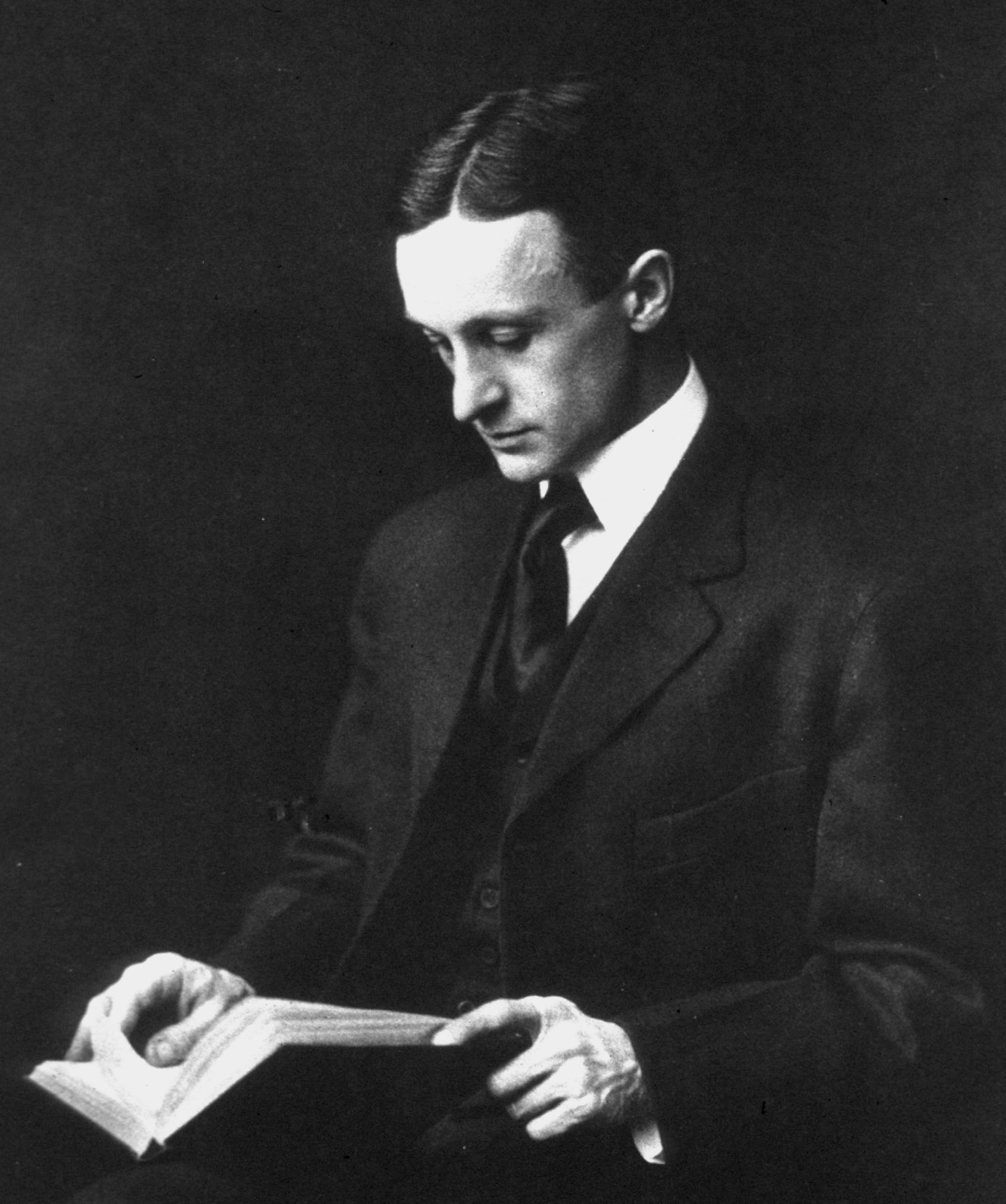
Q.11: Who is this man, and what does he have to do with the pituitary gland? No multiple-choice today I'm afraid... you're on your own!
Tuesday, 23 October 2012
Pituitary Awareness Quiz: Day 6
Yesterday's animal-based question proved wildly unpopular. So I thought I'd leave animal-based questions behind and go for a classic history lesson set-up!
National Pituitary Awareness Month Pituitary Awareness Quiz
Day 6, Question 6
Q.6: Only one of the following pituitary-related conditions was first identified by a woman named Cindy. But which one was it?
a) Sheehan Syndrome
b) Cushing's Syndrome
c) Addison's Disease
d) Pituitary apoplexy
a) Sheehan Syndrome
b) Cushing's Syndrome
c) Addison's Disease
d) Pituitary apoplexy
Monday, 22 October 2012
Pituitary Awareness Quiz: Day 5
Aloha! Today's question is rather late, I very nearly forgot to write it at all. Nearly... but not quite! The nice thing about doing this quiz has been that I've also learned things about the pituitary and its various hormones that I never knew before. And so, ladies and gentlemen, I present:
Q.5: Beta-endorphin is used by the body to numb pain, and is found in the anterior pituitary gland, as well as the hypothalamus. From the extracts of which species' pituitary gland was beta-endorphin first discovered?
a) Dolphin
b) Guinea Pig
c) Chimp
d) Camel
e) Owlbear
National Pituitary Awareness Month Pituitary Awareness Quiz
Day 5, Question 5
Q.5: Beta-endorphin is used by the body to numb pain, and is found in the anterior pituitary gland, as well as the hypothalamus. From the extracts of which species' pituitary gland was beta-endorphin first discovered?
a) Dolphin
b) Guinea Pig
c) Chimp
d) Camel
e) Owlbear
 |
| Bonus Question: How do you extract an owlbear's pituitary? |
Sunday, 21 October 2012
Growth Hormone and Creutzfeldt-Jakob Disease
It's National Pituitary Awareness Month, and I thought I should look for an interesting pituitary-related story to tell you all. As it turned out, I didn't have to look too far.
Most people living in Britain today will remember the 1996 scare about "mad cow disease" or BSE (in cows the disease is called Bovine Spongiform Encephalopathy; when it's passed to humans it's variant Creutzfeldt-Jakob Disease or vCJD). It’s an extremely nasty degenerative brain disease, invariably fatal, and there was huge concern that beef contaminated with the disease had been in the food chain for some time. The illness can have a latency period of up to ten years before symptoms appear (or much, much longer according to some researchers), making it very difficult to trace the cause of the illness - and meaning that no-one has any definite idea how many people could have been infected. As of October 2009, there had been 166 identified cases of the illness in the UK.
It was a huge scandal in the UK, and I remember as a child being disappointed that I wasn't allowed to eat roast beef for what felt like a very long time - although admittedly this was less because I loved roast beef and more because I loved the accompanying Yorkshire pudding my mum served with it. But until recently I was not aware of a similar, albeit smaller-scale scandal that had occurred several years earlier.
Between 1963 and 1985, the US Government funded a programme which provided human growth hormone to children across the US who had failed to grow as expected. Failure to grow in children is sometimes due to a deficiency in growth hormone (surprise!) and this is still a treatment for children today; the difference is that these days it's made in a lab, while at that time it was extracted directly from the pituitary glands of human cadavers.
In 1985, it came to light that three of the people treated with human growth hormone (hGH) had gone on to die of Creutzfeldt-Jakob Disease. This is not the same illness as vCJD but it is similar - and it's very, very rare. The programme was stopped immediately and an investigation launched.
To date, 29 of the people treated with hGH in the US before 1977 have been diagnosed with CJD. That's about one in 95. The rates were much higher in some other countries; in the UK, which produced its own hGH, 64 of the 1849 people treated developed CJD; and in France, which also produced its own hGH, 119 out of 1700 patients went on to develop the disease. There have been cases reported in numerous other countries; the variation in incidence is likely due to the variation in the way the hormone was extracted and processed.
The longest latency period recorded between someone receiving human Growth Hormone and going on to develop CJD is 38 years. The shortest period before developing symptoms with these kind of diseases is usually around 2 - 3 years. The symptoms progress very quickly, within just a few months, from dizziness, difficulty balancing and clumsiness to memory loss, seizures and death.
Most disturbingly of all, however, it later came to light that far more of the patients who had been treated with hGH went on to die of adrenal crisis - an entirely treatable problem - than of CJD. This problem isn't caused by the hGH treatment, it's simply the case that people with a growth hormone deficiency are more likely to also be deficient in other pituitary hormones, such as ACTH. Without sufficient ACTH, you will die - but safe and effective hormone replacement is available for people whose bodies don't produce enough ACTH. It's simply that their doctors failed to pick up on the fact that these people were ACTH-deficient until it was too late.
Most people living in Britain today will remember the 1996 scare about "mad cow disease" or BSE (in cows the disease is called Bovine Spongiform Encephalopathy; when it's passed to humans it's variant Creutzfeldt-Jakob Disease or vCJD). It’s an extremely nasty degenerative brain disease, invariably fatal, and there was huge concern that beef contaminated with the disease had been in the food chain for some time. The illness can have a latency period of up to ten years before symptoms appear (or much, much longer according to some researchers), making it very difficult to trace the cause of the illness - and meaning that no-one has any definite idea how many people could have been infected. As of October 2009, there had been 166 identified cases of the illness in the UK.
 |
| Beware! This could be a mad cow. |
Between 1963 and 1985, the US Government funded a programme which provided human growth hormone to children across the US who had failed to grow as expected. Failure to grow in children is sometimes due to a deficiency in growth hormone (surprise!) and this is still a treatment for children today; the difference is that these days it's made in a lab, while at that time it was extracted directly from the pituitary glands of human cadavers.
In 1985, it came to light that three of the people treated with human growth hormone (hGH) had gone on to die of Creutzfeldt-Jakob Disease. This is not the same illness as vCJD but it is similar - and it's very, very rare. The programme was stopped immediately and an investigation launched.
To date, 29 of the people treated with hGH in the US before 1977 have been diagnosed with CJD. That's about one in 95. The rates were much higher in some other countries; in the UK, which produced its own hGH, 64 of the 1849 people treated developed CJD; and in France, which also produced its own hGH, 119 out of 1700 patients went on to develop the disease. There have been cases reported in numerous other countries; the variation in incidence is likely due to the variation in the way the hormone was extracted and processed.
The longest latency period recorded between someone receiving human Growth Hormone and going on to develop CJD is 38 years. The shortest period before developing symptoms with these kind of diseases is usually around 2 - 3 years. The symptoms progress very quickly, within just a few months, from dizziness, difficulty balancing and clumsiness to memory loss, seizures and death.
Most disturbingly of all, however, it later came to light that far more of the patients who had been treated with hGH went on to die of adrenal crisis - an entirely treatable problem - than of CJD. This problem isn't caused by the hGH treatment, it's simply the case that people with a growth hormone deficiency are more likely to also be deficient in other pituitary hormones, such as ACTH. Without sufficient ACTH, you will die - but safe and effective hormone replacement is available for people whose bodies don't produce enough ACTH. It's simply that their doctors failed to pick up on the fact that these people were ACTH-deficient until it was too late.
Pituitary Awareness Quiz: Day 4
And we're on to day four! Today I have chosen not to do a multiple choice question, which is perhaps slightly evil - but equally it's a fairly easy question, so you should be fine. Ready, set.... Google!
Q.4: The human pituitary gland will vary in size over a person's life. What physiological event (other than untoward tumourousness) causes the pituitary gland to reach its largest natural size... and why?
National Pituitary Awareness Month Pituitary Awareness Quiz
Day 4, Question 4
Day 4, Question 4
Q.4: The human pituitary gland will vary in size over a person's life. What physiological event (other than untoward tumourousness) causes the pituitary gland to reach its largest natural size... and why?
Saturday, 20 October 2012
Pituitary Awareness Quiz: Day 3
I have to say, I have been delighted almost beyond reason by the responses I have received so far! Today I seemed to spend a lot of my time making pies (apple crumble and puff pastry chicken pie with peppers), and playing boardgames (I don't even remember their names), it was excellent. But it left an unfortunately small amount of time for writing today's question. Nevertheless, allow me to present:
Q.3: Which of these is an alternative name for the pituitary stalk?
a) The fungible branch
b) The expungable peduncle
c) The infundibular stem
d) The peduncular pedicle
National Pituitary Awareness Month Pituitary Awareness Quiz
Day 3, Question 3
Q.3: Which of these is an alternative name for the pituitary stalk?
a) The fungible branch
b) The expungable peduncle
c) The infundibular stem
d) The peduncular pedicle
Friday, 19 October 2012
Pituitary Awareness Quiz: Day 2
Welcome to today's question about the pituitary gland! Yesterday's question was relatively easy to Google, so I thought I'd throw in a slightly more tricky one for you (and my boyfriend did the calculations!).
Q.2: Approximately how many (normal-sized) human pituitary glands could you fit in an Olympic-sized swimming pool?
a) 4 billion
b) 20 billion
c) 50 billion
d) 100 million
e) 100 billion
Anyone who provides workings to back up their answer will receive great respect. Good luck!
National Awareness Month Pituitary Awareness Quiz
Day 2 - Question 2
Q.2: Approximately how many (normal-sized) human pituitary glands could you fit in an Olympic-sized swimming pool?
a) 4 billion
b) 20 billion
c) 50 billion
d) 100 million
e) 100 billion
Anyone who provides workings to back up their answer will receive great respect. Good luck!
Thursday, 18 October 2012
Nationary Pituitary Awareness Month Pituitary Awareness Quiz
Even the most ardent readers of my blog will probably have forgotten that October is National Pituitary Awareness Month. Oh yes, ladies and gentlemen - that happy time is here again! Try to contain your excitement, please.
Last year, I looked at some of the other National Months that are held in October; this year, I felt like doing something different. But pituitary glands are tricky things to raise awareness for, especially considering that approximately eighty percent of Britons can't even spell the word "pituitary", let alone point to its location in the body.*
And then it hit me.
Fortunately, I wasn't seriously injured.
Dear readers, it's been over a year since I started this blog. Some of you have been here from the start, some of you have joined me along the way, and some of you typed "piglets in a teacup" into Google and arewondering how the hell you ended up here.** Believe me, I'm wondering too. But I feel quite strongly that all of you should have increased, improved and frankly incredible knowledge of the pituitary gland as a result of reading this blog, and now you will finally have the chance to prove it. And so, I present: The National Pituitary Awareness Month Pituitary Awareness Quiz! It's not sanctioned by any healthcare professionals, and it's not recognised as a professional medical qualification anywhere, ever - but the winner will gain both bragging points, a delightful poem about how wise they are, and my eternal respect.
Here's how it's going to work: For the remainder of the month, I will post one (probably multiple-choice) question about the pituitary gland every day.*** To be in with a chance of winning, simply post your answer in the comments section. Correct answers gain you one point. At the end of the month, I will leave a day or so for anyone who wants to join in to answer all the questions, then I'll tot up the points and announce the winner and write a short praise poem about how awesome they are.
Here's the twist: correct answers gain one point. Answers (however wildly incorrect) which include something that amuses me - a pun, rhyming couplet, accompanying picture or just shameless flattery - will get two points. Because life's not fair, and neither is my pituitary gland.
If I get more than five comments before the end of the month, I will count this quiz as a wild success, so please join in!
Q.1: Acromegaly is a rare disease caused by a growth-hormone-secreting pituitary tumour, which can lead to gigantism and excessive growth of the body's tissues. But what language is the word "acromegaly" derived from, and what does it literally mean?
Is it:
a) from the Latin acro "extremity; member of the body" and magnus "large"
b) from the Greek arka "repository; hidden place" and megaras "growth".
c) from the Greek akros "highest; extremity" and megalos "large".
It's an easy-to-Google one to start you off. Fly, my pretties, fly!
_____________________________________
* Warning: spurious fact alert.
** This is actually a genuine search that somehow resulted in my blog
coming up. I have no idea why
***In theory.
Last year, I looked at some of the other National Months that are held in October; this year, I felt like doing something different. But pituitary glands are tricky things to raise awareness for, especially considering that approximately eighty percent of Britons can't even spell the word "pituitary", let alone point to its location in the body.*
And then it hit me.
Fortunately, I wasn't seriously injured.
Dear readers, it's been over a year since I started this blog. Some of you have been here from the start, some of you have joined me along the way, and some of you typed "piglets in a teacup" into Google and arewondering how the hell you ended up here.** Believe me, I'm wondering too. But I feel quite strongly that all of you should have increased, improved and frankly incredible knowledge of the pituitary gland as a result of reading this blog, and now you will finally have the chance to prove it. And so, I present: The National Pituitary Awareness Month Pituitary Awareness Quiz! It's not sanctioned by any healthcare professionals, and it's not recognised as a professional medical qualification anywhere, ever - but the winner will gain both bragging points, a delightful poem about how wise they are, and my eternal respect.
Here's how it's going to work: For the remainder of the month, I will post one (probably multiple-choice) question about the pituitary gland every day.*** To be in with a chance of winning, simply post your answer in the comments section. Correct answers gain you one point. At the end of the month, I will leave a day or so for anyone who wants to join in to answer all the questions, then I'll tot up the points and announce the winner and write a short praise poem about how awesome they are.
Here's the twist: correct answers gain one point. Answers (however wildly incorrect) which include something that amuses me - a pun, rhyming couplet, accompanying picture or just shameless flattery - will get two points. Because life's not fair, and neither is my pituitary gland.
If I get more than five comments before the end of the month, I will count this quiz as a wild success, so please join in!
National Pituitary Awareness Month Pituitary Awareness Quiz
Day 1 - Question 1
Q.1: Acromegaly is a rare disease caused by a growth-hormone-secreting pituitary tumour, which can lead to gigantism and excessive growth of the body's tissues. But what language is the word "acromegaly" derived from, and what does it literally mean?
Is it:
a) from the Latin acro "extremity; member of the body" and magnus "large"
b) from the Greek arka "repository; hidden place" and megaras "growth".
c) from the Greek akros "highest; extremity" and megalos "large".
It's an easy-to-Google one to start you off. Fly, my pretties, fly!
_____________________________________
* Warning: spurious fact alert.
** This is actually a genuine search that somehow resulted in my blog
coming up. I have no idea why
***In theory.
Saturday, 8 September 2012
Denied
My god! Apparently I haven't published a post since the 31st of August and it's now the 8th September! I am well behind schedule. In fairness, in the past week I have been to a wedding, started a new job and moved house so I feel like I have some kind of excuse for my laxness. On the other hand, excuse schmoose! Shame on me.
I do in fact have an update on my health situation, although not a particularly jolly one. Regular readers will remember that the NHS is proving remarkably loath to pay for the treatment that fixes me. I need regular injections, one every month, which normalise my hormone levels and make me feel much more chirpy, and also possibly stop the tumour growing which would be A Good Thing. They also cost about £750 a pop.
I got the first injection just over a month ago. The hospital then had a month to wrangle who was going to pay for the next one. I was booked in to go back on Wednesday morning for the next injection. Surprise, surprise, on Tuesday afternoon I got a phone call from one of the nurses informing me that they had not sorted out the funding issue and it would be "one or two weeks" before I could have the next one. Past experience would suggest that "one or two weeks" could be anything up to several months.
It's very frustrating, because the injections make such a difference to my symptoms. I massively cut down on the amount of medication I was taking for my heart, to the point where some days I didn't need it at all. I was sleeping better, my nails were better, my eyelashes got thicker (weirdly when my thyroid hormone levels are too high they tend to thin out!), everything was improving. And now I just have to wait, slowly feeling worse and worse all the time.
It's hard not to feel annoyed at my new GP for starting this whole mess by refusing to prescribe it despite letters from the hospital asking her to. I know that she was just playing by the book. But if the tumour in my head goes untreated and keeps growing and makes me more ill it's just more hassle for the NHS in the long run. I really don't care who pays for it. But can SOMEONE please get it sorted?
I do in fact have an update on my health situation, although not a particularly jolly one. Regular readers will remember that the NHS is proving remarkably loath to pay for the treatment that fixes me. I need regular injections, one every month, which normalise my hormone levels and make me feel much more chirpy, and also possibly stop the tumour growing which would be A Good Thing. They also cost about £750 a pop.
I got the first injection just over a month ago. The hospital then had a month to wrangle who was going to pay for the next one. I was booked in to go back on Wednesday morning for the next injection. Surprise, surprise, on Tuesday afternoon I got a phone call from one of the nurses informing me that they had not sorted out the funding issue and it would be "one or two weeks" before I could have the next one. Past experience would suggest that "one or two weeks" could be anything up to several months.
It's very frustrating, because the injections make such a difference to my symptoms. I massively cut down on the amount of medication I was taking for my heart, to the point where some days I didn't need it at all. I was sleeping better, my nails were better, my eyelashes got thicker (weirdly when my thyroid hormone levels are too high they tend to thin out!), everything was improving. And now I just have to wait, slowly feeling worse and worse all the time.
It's hard not to feel annoyed at my new GP for starting this whole mess by refusing to prescribe it despite letters from the hospital asking her to. I know that she was just playing by the book. But if the tumour in my head goes untreated and keeps growing and makes me more ill it's just more hassle for the NHS in the long run. I really don't care who pays for it. But can SOMEONE please get it sorted?
Monday, 20 August 2012
IMFW: Harvey Cushing
This week's IMFW is really more like an IMPW - an Interesting Medical Person of the Week. Harvey Williams Cushing is often regarded as the "father of modern neurosurgery".
An American descended from a long line of doctors, he was born in Ohio in 1869. After studying medicine, he went on to study surgery at the famous Johns Hopkins Hospital just after it had opened, then spent time in Europe before returning to Johns Hopkins as an associate professor in surgery. As well as writing about medicine, he was a talented medical illustrator and several of his drawings were published in textbooks - and as if that wasn't enough, he received the Pulitzer Prize for Biography for his biography of his mentor, William Osler.
Cushing's first monograph was on the subject of the pituitary, and on this blog, you'll have heard Cushing's name from one of his most famous discoveries, the disease named after him - Cushing's Disease; a tumour of the pituitary gland which secretes ACTH (adrenocorticotrophic hormone) and causes a range of symptoms including weight gain, bruising, sweating, high blood pressure and diabetes. Being a modest chap, he had originally named it "polyglandular syndrome", but his name stuck. However, this was far from his only contribution to medicine:
- He introduced blood pressure measurement to America
- He used x-rays to diagnose brain tumours
- He developed medical instruments which are still in use today, including the Cushing Forcep which is used during cranial surgery, the Cushing clip - a small clip for blood vessels to stop bleeding during surgery, which dramatically decreased mortality rates - and the use of electrocautery which he developed with W.T. Bovie, a physicist
- Along with a colleague, Ernest Codman, Cushing devised the first anaesthetic chart to help surgeons and anaesthetists monitor pulse, temperature and breathing - an innovation which was widely adoped
- Cushing pioneered many new surgical techniques including the use of saline for irrigation during surgery
- He developed a surgical cure for trigeminal neuralgia
- His mortality rate was around 10% - which doesn't sound hugely impressive until you realise that before he came along, mortality rates from neurosurgery were 50 - 90% depending on which source you believe
- He developed the transsphenoidal approach for surgery of the pituitary gland
- He invented the macarena (just checking you're paying attention...)
- He identified and named the phenomena of hypopituitarism and hyperpituitarism
So Mr Harvey Williams Cushing deserves our gratitude and respect. He has thoroughly earned the bewildering array of unpleasant medical things named after him, which include: Cushing's Syndrome, Cushing's Disease, Cushing's symphalangism (a.k.a. proximal symphalangism), Cushing's Reflex resulting in Cushing's Triad (a nervous system response to increase intracranial pressure), Cushing ulcer a.k.a. Rokitansky-Cushing Syndrome, Bailey-Cushing Syndrome (he had to share that one), the Cushing forcep and Cushing clip.
An American descended from a long line of doctors, he was born in Ohio in 1869. After studying medicine, he went on to study surgery at the famous Johns Hopkins Hospital just after it had opened, then spent time in Europe before returning to Johns Hopkins as an associate professor in surgery. As well as writing about medicine, he was a talented medical illustrator and several of his drawings were published in textbooks - and as if that wasn't enough, he received the Pulitzer Prize for Biography for his biography of his mentor, William Osler.
Cushing's first monograph was on the subject of the pituitary, and on this blog, you'll have heard Cushing's name from one of his most famous discoveries, the disease named after him - Cushing's Disease; a tumour of the pituitary gland which secretes ACTH (adrenocorticotrophic hormone) and causes a range of symptoms including weight gain, bruising, sweating, high blood pressure and diabetes. Being a modest chap, he had originally named it "polyglandular syndrome", but his name stuck. However, this was far from his only contribution to medicine:
- He introduced blood pressure measurement to America
- He used x-rays to diagnose brain tumours
- He developed medical instruments which are still in use today, including the Cushing Forcep which is used during cranial surgery, the Cushing clip - a small clip for blood vessels to stop bleeding during surgery, which dramatically decreased mortality rates - and the use of electrocautery which he developed with W.T. Bovie, a physicist
- Along with a colleague, Ernest Codman, Cushing devised the first anaesthetic chart to help surgeons and anaesthetists monitor pulse, temperature and breathing - an innovation which was widely adoped
- Cushing pioneered many new surgical techniques including the use of saline for irrigation during surgery
- He developed a surgical cure for trigeminal neuralgia
- His mortality rate was around 10% - which doesn't sound hugely impressive until you realise that before he came along, mortality rates from neurosurgery were 50 - 90% depending on which source you believe
- He developed the transsphenoidal approach for surgery of the pituitary gland
- He invented the macarena (just checking you're paying attention...)
- He identified and named the phenomena of hypopituitarism and hyperpituitarism
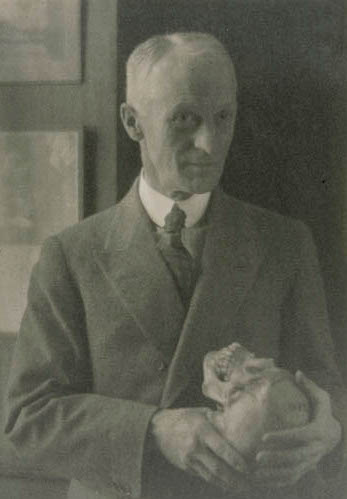 |
| Yes... yes, that is a skull. |
Wednesday, 15 August 2012
Girl with Acromegaly Sues NHS
A story broke some time ago about a young lady with acromegaly who sued the NHS, and won. I've been meaning to write about her for a while but I wanted to take the time to create an interesting and informative post contrasting her case with that of Kane Gorny. Alas, I have not had the time, so you'll just have to deal with a dull and uninformative post instead. Hurrah!
The story is this: Kate Woodward, an aspiring actress, developed acromegaly (i.e. a pituitary tumour secreting growth hormone, which lead to uncontrolled growth of her body) as a child, which went untreated between 2001 and 2005 as medics failed to spot the condition. She attained a final height of 6'5" aged 20, and sued the NHS for £2 million. She was awarded compensation of £1.3m.
Incidentally, the award for "least sensitive headline about this story" goes to Healthcare Today UK, which went with "Freak Growth Woman Sues NHS".*
Nice.
Her case for being awarded this level of compensation was that, as a result of her condition being untreated for so long:
- Her height and "ugliness" meant that she could no longer go into a career as an actress.
- She has psychological difficulties and feels like a "freak" because of her condition.
- She has significant problems with her bones, knees and teeth, and cannot buy normal-sized clothes.
- The condition affected her childhood, schooling and friendships.
And, most significantly:
- She wishes to receive all future treatment in the private sector.
Now, not long after this story was first brought to my attention (by a colleague, thank you!) I noticed that it had also popped up as a topic of discussion on the Pituitary Foundation's forum. For those of you who don't subscribe, one member created a poll entited something like "Should Kate Woodward be ashamed of herself?" The results of the poll were overwhelmingly that she should (although in fairness by "overwhelmingly", I mean "there were four votes in total").
Why the anger? Surely she has a fairly good case, right? Undoubtedly, when a doctor is presented with a girl who measured 5'9" at just eleven years old and keeps growing, you'd hope that it wouldn't take four years to just Google it and think "hmm, maybe we should rule out acromegaly". Although we can't know that faster treatment would have effected a cure, it might have controlled or reduced the symptoms. She will have to live with injections and monitoring and joint problems and feeling self-conscious for her whole life.
BUT.
The problem is that this is not, actually, an unusual case - at least, not within the magical world of pituitary tumours. If every person with acromegaly decided to sue the NHS for delayed diagnosis, it would be one hell of a bonus day for lawyers. If you threw in people with other often-missed pituitary conditions like Cushing's Disease and TSHoma, it would probably result in a sudden UK lawyer shortage as they all retired to small Caribbean islands. If you based the level of compensation awarded on the number of years the condition went undiagnosed, the small Caribbean islands would probably reinvent themselves as world financial hubs.
I exagerate. But the mean length of time from onset of symptoms to diagnosis of acromegaly is, according to this MedScape article, around 12 years. Even if that estimate is too high, the point is that pituitary tumour conditions can be hard to diagnose, and they are often missed because they're rare enough that doctors don't see them often, and often don't expect to see them either. Four years to diagnose a patient with acromegaly is, sadly, not uncommon. I first showed symptoms of my TSH-secreting pituitary tumour aged 17, and I didn't get a diagnosis until I was 22. (In case you're bad at maths, that's five years). Even after my superfast heartrate made it clear that Something Was Wrong, it took a year to work out what that something was.
So if there's a slight lack of sympathy from other acromegalomaniacs,** it could be because they're thinking "Damn, £2m! Wish I'd thought of that."
But I doubt it. And I'm not just saying that because they're bigger than me.***
Now I want to note right off the bat that where there is evidence of medical negligence or it takes a long time to get a diagnosis, you should complain. Vociferously. You should complain in the hope that procedures can be improved. Otherwise there's nothing to stop future patients from suffering through the same tortuous process to find out what's wrong with them. But there's a difference between seeing a problem, taking a complaint as far as necessary to fix that problem for future patients, and just suing to get as much as you can out of them. Through the normal complaints process, the hospital in question offered Miss Woodward compensation of £700k, no court appearance required. If she lives to the age of 90, that would be £10,000 medical expenses covered every year. Additionally, according to the Daily Mail, which I personally take with a pinch of salt and under the supervision of a doctor, the hospital trust had already spent £288,000 on Miss Woodward for "treatment, dental care, holidays and special footwear".
Even the £500k difference between what she was offered and what the court awarded is a big chunk of money. £500k that could have gone towards treating other patients. I need somatostatin analogue injections (probably much like those Miss Woodward takes), and if you've been reading this blog lately, you'll know that it is proving slightly tricky to persuade someone to fund them. £500k could pay for 666-and-a-bit doses of those injections. Which doesn't sound like that much, until you realise that each dose lasts for a month, so £500k worth of injections would last me for fifty-five years. And six months. Assuming I needed them continuously. And of course by that point I would be 79-and-a-half, so chances are I could be dead by then anyway.
And here's the thing. If the NHS messes up and, as a result, you end up incurring further costs in your daily life (eg. you're a professional tap dancer going into hospital for an appendectomy, and you wake up with a leg missing) then yep, you should get compensation and if they won't agree to pay it, sue them with my blessing and encouragement. If the clinical negligence of your child at birth leads to brain damage which will affect that child for their entire life, then sue for the money needed to support them. And if/when the NHS messes up so badly that it becomes a danger to other patients, and you follow through that complaints process and nothing changes, sue them until they sit up and pay attention and mend their ways.
But I am somewhat uncomfortable with suing the NHS for the loss of a career that did not yet exist, and for the costs of having exactly the same treatment as the NHS provides, but done privately. (I'm also intrigued by the concept, since she presumably did not have private health insurance before diagnosis and consequently insurers would be unlikely to cover her pre-existing condition?). I've had an MRI scan done by a private provider and done by the NHS and the experience was almost exactly the same - except the private hospital was a lot harder to get to on public transport.
I guess in some way I think that when the NHS messes up, part of the compensation is the NHS. The very fact that you live in a country where you don't have to worry about the cost of healthcare means that when the NHS makes a mistake, it - not you - ends up bearing any increased costs of your care as a result of its mistake. Perhaps in some countries when a patient gets a hospital-acquired infection, their bill from the hospital is increased - but in the UK, if a hospital gives you an infection, it has to foot the bill to try and fix it.
But it also means that when you sue an NHS hospital in the UK, you're not taking lobster off the table of a fat cat investor (well... not yet... comments about Mr Lansley on a postcard, please). You are taking money away from that hospital. Any sensible hospital trust will have a big old stash of contingency fund to cover the cost of lawsuits, but I still confess I'm uncomfortable with the idea of suing the NHS for anything less than an ironclad reason, because that money could be put to better use. It could be used to help treat someone just like you.
I don't think Kate Woodward is a bad person, and I don't think she should be ashamed of herself. I simply don't have sufficient details to form an opinion on this case, and she may well be entirely justified. But she sparks off an interesting debate. That's my opinion. What's yours?
______________________________________
*I noticed Jon Danzig, a journalist with acromegaly, took them to task for this in the comments section of the article, good on him!
** I don't know what the collective noun for "a group of people with acromegaly" is, but it should really be this.
***Common misconception: people with acromegaly only become very tall if the condition develops during childhood/adolescence. If it develops in adulthood, it will lead to bone and soft tissue growth but usually won't increase height much, if at all.
The story is this: Kate Woodward, an aspiring actress, developed acromegaly (i.e. a pituitary tumour secreting growth hormone, which lead to uncontrolled growth of her body) as a child, which went untreated between 2001 and 2005 as medics failed to spot the condition. She attained a final height of 6'5" aged 20, and sued the NHS for £2 million. She was awarded compensation of £1.3m.
Incidentally, the award for "least sensitive headline about this story" goes to Healthcare Today UK, which went with "Freak Growth Woman Sues NHS".*
Nice.
Her case for being awarded this level of compensation was that, as a result of her condition being untreated for so long:
- Her height and "ugliness" meant that she could no longer go into a career as an actress.
- She has psychological difficulties and feels like a "freak" because of her condition.
- She has significant problems with her bones, knees and teeth, and cannot buy normal-sized clothes.
- The condition affected her childhood, schooling and friendships.
And, most significantly:
- She wishes to receive all future treatment in the private sector.
Now, not long after this story was first brought to my attention (by a colleague, thank you!) I noticed that it had also popped up as a topic of discussion on the Pituitary Foundation's forum. For those of you who don't subscribe, one member created a poll entited something like "Should Kate Woodward be ashamed of herself?" The results of the poll were overwhelmingly that she should (although in fairness by "overwhelmingly", I mean "there were four votes in total").
Why the anger? Surely she has a fairly good case, right? Undoubtedly, when a doctor is presented with a girl who measured 5'9" at just eleven years old and keeps growing, you'd hope that it wouldn't take four years to just Google it and think "hmm, maybe we should rule out acromegaly". Although we can't know that faster treatment would have effected a cure, it might have controlled or reduced the symptoms. She will have to live with injections and monitoring and joint problems and feeling self-conscious for her whole life.
BUT.
The problem is that this is not, actually, an unusual case - at least, not within the magical world of pituitary tumours. If every person with acromegaly decided to sue the NHS for delayed diagnosis, it would be one hell of a bonus day for lawyers. If you threw in people with other often-missed pituitary conditions like Cushing's Disease and TSHoma, it would probably result in a sudden UK lawyer shortage as they all retired to small Caribbean islands. If you based the level of compensation awarded on the number of years the condition went undiagnosed, the small Caribbean islands would probably reinvent themselves as world financial hubs.
I exagerate. But the mean length of time from onset of symptoms to diagnosis of acromegaly is, according to this MedScape article, around 12 years. Even if that estimate is too high, the point is that pituitary tumour conditions can be hard to diagnose, and they are often missed because they're rare enough that doctors don't see them often, and often don't expect to see them either. Four years to diagnose a patient with acromegaly is, sadly, not uncommon. I first showed symptoms of my TSH-secreting pituitary tumour aged 17, and I didn't get a diagnosis until I was 22. (In case you're bad at maths, that's five years). Even after my superfast heartrate made it clear that Something Was Wrong, it took a year to work out what that something was.
So if there's a slight lack of sympathy from other acromegalomaniacs,** it could be because they're thinking "Damn, £2m! Wish I'd thought of that."
But I doubt it. And I'm not just saying that because they're bigger than me.***
Now I want to note right off the bat that where there is evidence of medical negligence or it takes a long time to get a diagnosis, you should complain. Vociferously. You should complain in the hope that procedures can be improved. Otherwise there's nothing to stop future patients from suffering through the same tortuous process to find out what's wrong with them. But there's a difference between seeing a problem, taking a complaint as far as necessary to fix that problem for future patients, and just suing to get as much as you can out of them. Through the normal complaints process, the hospital in question offered Miss Woodward compensation of £700k, no court appearance required. If she lives to the age of 90, that would be £10,000 medical expenses covered every year. Additionally, according to the Daily Mail, which I personally take with a pinch of salt and under the supervision of a doctor, the hospital trust had already spent £288,000 on Miss Woodward for "treatment, dental care, holidays and special footwear".
Even the £500k difference between what she was offered and what the court awarded is a big chunk of money. £500k that could have gone towards treating other patients. I need somatostatin analogue injections (probably much like those Miss Woodward takes), and if you've been reading this blog lately, you'll know that it is proving slightly tricky to persuade someone to fund them. £500k could pay for 666-and-a-bit doses of those injections. Which doesn't sound like that much, until you realise that each dose lasts for a month, so £500k worth of injections would last me for fifty-five years. And six months. Assuming I needed them continuously. And of course by that point I would be 79-and-a-half, so chances are I could be dead by then anyway.
And here's the thing. If the NHS messes up and, as a result, you end up incurring further costs in your daily life (eg. you're a professional tap dancer going into hospital for an appendectomy, and you wake up with a leg missing) then yep, you should get compensation and if they won't agree to pay it, sue them with my blessing and encouragement. If the clinical negligence of your child at birth leads to brain damage which will affect that child for their entire life, then sue for the money needed to support them. And if/when the NHS messes up so badly that it becomes a danger to other patients, and you follow through that complaints process and nothing changes, sue them until they sit up and pay attention and mend their ways.
But I am somewhat uncomfortable with suing the NHS for the loss of a career that did not yet exist, and for the costs of having exactly the same treatment as the NHS provides, but done privately. (I'm also intrigued by the concept, since she presumably did not have private health insurance before diagnosis and consequently insurers would be unlikely to cover her pre-existing condition?). I've had an MRI scan done by a private provider and done by the NHS and the experience was almost exactly the same - except the private hospital was a lot harder to get to on public transport.
I guess in some way I think that when the NHS messes up, part of the compensation is the NHS. The very fact that you live in a country where you don't have to worry about the cost of healthcare means that when the NHS makes a mistake, it - not you - ends up bearing any increased costs of your care as a result of its mistake. Perhaps in some countries when a patient gets a hospital-acquired infection, their bill from the hospital is increased - but in the UK, if a hospital gives you an infection, it has to foot the bill to try and fix it.
But it also means that when you sue an NHS hospital in the UK, you're not taking lobster off the table of a fat cat investor (well... not yet... comments about Mr Lansley on a postcard, please). You are taking money away from that hospital. Any sensible hospital trust will have a big old stash of contingency fund to cover the cost of lawsuits, but I still confess I'm uncomfortable with the idea of suing the NHS for anything less than an ironclad reason, because that money could be put to better use. It could be used to help treat someone just like you.
I don't think Kate Woodward is a bad person, and I don't think she should be ashamed of herself. I simply don't have sufficient details to form an opinion on this case, and she may well be entirely justified. But she sparks off an interesting debate. That's my opinion. What's yours?
______________________________________
*I noticed Jon Danzig, a journalist with acromegaly, took them to task for this in the comments section of the article, good on him!
** I don't know what the collective noun for "a group of people with acromegaly" is, but it should really be this.
***Common misconception: people with acromegaly only become very tall if the condition develops during childhood/adolescence. If it develops in adulthood, it will lead to bone and soft tissue growth but usually won't increase height much, if at all.
Wednesday, 11 July 2012
The Very Scary Case of Kane Gorny
Before going into hospital last Tuesday, I stopped off at one of my favourite cafes for a hot chocolate, as a pre-hospital treat. I wasn't allowed caffeine in the three days before going in, so I had been suffering from a woeful lack of hot drinks. I got my hot chocolate (which was delicious) and sat down by the pile of daily papers they keep at the café. Alas, all the more upmarket titles had been taken, so I had to settle for that peculiar bastion of journalistic achievement: the Daily Mail.
You can imagine my feeling of ill-omen when, immediately before going into hospital overnight for further investigations into my pituitary tumour, I saw that the Mail's headline story was about Kane Gorny, a 22-year-old with a pituitary tumour who died of dehydration in hospital after nurses denied him his medication.
You can read the Mail's story online here. According to the Mail, it seems that after his entirely routine hip replacement surgery, nurses did not give Mr Gorny medication necessary for fluid retention; he became so agitated from dehydration that he called 999 in an attempt to get some water, but was sedated and left unattended overnight, despite his mother raising concerns. Even after his death, the attitude of some members of the nursing staff appears to have been appalling.
I thought I would tackle a couple of questions raised by the reporting on this terrible story, before moving on to look at it as a whole:

You can imagine my feeling of ill-omen when, immediately before going into hospital overnight for further investigations into my pituitary tumour, I saw that the Mail's headline story was about Kane Gorny, a 22-year-old with a pituitary tumour who died of dehydration in hospital after nurses denied him his medication.
You can read the Mail's story online here. According to the Mail, it seems that after his entirely routine hip replacement surgery, nurses did not give Mr Gorny medication necessary for fluid retention; he became so agitated from dehydration that he called 999 in an attempt to get some water, but was sedated and left unattended overnight, despite his mother raising concerns. Even after his death, the attitude of some members of the nursing staff appears to have been appalling.
I thought I would tackle a couple of questions raised by the reporting on this terrible story, before moving on to look at it as a whole:
What was wrong with him?
Kane Gorny suffered from a pituitary tumour; that much is certain. The exact details of Mr Gorny's condition are still somewhat sketchy and vary depending on which paper you read, but I'm going to guess that he possibly had acromegaly or Cushing's Disease, from the statement of his endocrinologist that he had a "rare tumour", and the fact that he had joint problems.
Most papers have reported that he had a "malignant" brain tumour or "brain cancer". The tumour may well have been cancerous, but it should perhaps be noted that this extremely rare for pituitary tumours; they are sometimes misreported as malignant due to journalists misunderstanding the condition and the fact that a tumour labelled "benign" may still be very harmful. In any case, I'll be looking at the definition of malignancy/cancer with regard to pituitary tumours in a future post, hopefully within the next couple of weeks, because it's an interesting question.
Why did he need a hip replacement aged just 22?
After pituitary surgery, sometimes the healthy pituitary gland is damaged, leaving it unable to produce certain hormones, including ACTH (adrenocorticotrophic hormone), which stimulates the adrenal glands to produce the steroid hormone cortisol. Without cortisol in the body, you can die quite quickly - consequently, it is standard to give patients steroid pills after surgery until doctors are certain their pituitary gland is able to produce ACTH. If the pituitary gland has been damaged, patients will need to take these pills for life.
Most reports have stated that Mr Gorny's steroid treatment left him requiring a hip replacement; high levels of steroids in the body can lead to avascular necrosis (although not in "a couple of weeks" as one paper initially reported). Additionally, if he did indeed have Cushing's or acromegaly, both of these conditions can adversely affect joints.
How did he die of dehydration so quickly?
A healthy human can live for a couple of days without water, depending on exertion and environmental conditions. Kane Gorny could not. After his pituitary surgery, Mr Gorny was left with diabetes insipidus. This is a very different condition from what we refer to as "diabetes" (diabetes mellitus) and is caused by a deficiency in anti-diuretic hormone (ADH, or vasopressin). Anti-diuretic hormone is secreted by the pituitary gland and helps to control the body's fluid balance. In diabetes insipidus, the lack of this hormone means that the body cannot conserve much of the water which it takes in, and consequently the sufferer becomes extremely thirsty and needs to urinate frequently. Unfortunately, developing this condition is a fairly common side-effect of pituitary surgery and pituitary radiotherapy.
In order to treat his diabetes insipidus, Kane Gorny would have needed to take a drug called Desmopressin (DDAVP), which is a synthetic substitute for vasopressin. As long as he was taking this drug, his body would be able to retain a normal amount of the water he drank, and he would not become dehydrated. When the drug was witheld, his body could not remain hydrated, and he died.
How could the hospital get this so wrong?
Unfortunately this is the question that can't be answered. Kane Gorny's death appears to have been preceeded by a number of absolutely catastrophic blunders at the hospital. His endocrinologists were not informed that he was in the hospital for surgery; his surgeon was entirely unaware of his condition; nurses did not read his notes; no-one listened to his mother's concerns; the list goes on.
Diabetes insipidus is a common problem among pituitary patients, but far more rare in the general population. Endocrine and neurosurgery nurses would likely be familiar with the condition, the importance of the medication Mr Gorny was taking, and the crucial need to monitor his fluid balance. The nurses actually looking after him knew almost nothing about it.
It's a sad fact that there are a hell of a lot of medical conditions in the world. Patients with diabetes insipidus or the inability to produce steroid hormones are encouraged to wear MedicAlert jewellery to alert paramedics and medical staff to their conditions in case of emergency, yet it seems even when medical staff have access to full notes on a patient they can go unheeded.
Sometimes it gets frustrating when you're in hospital or go to the doctors and are asked for the thousandth time to explain what's wrong with you. In the future I'll try to be more grateful that someone is checking...
_____________________________________________________________________
Kane Gorny's brother is fundraising for CLIC Sargent. You can donate here.

Subscribe to:
Posts (Atom)