Showing posts with label cushing's. Show all posts

Wednesday, 29 August 2012

The Sound of Striped Hooves

Around a year or so ago, an interesting thing happened to me. I was in the car with my mother, we were driving down the motorway, and there was a car pulling a horsebox in front of us. We were going rather faster than the horsebox, and as we passed it, I looked inside and saw… a zebra. It was only a glimpse and it confused the hell out of me for a moment, but I am still sure it was a zebra, not a horse, inside that horsebox.* At first I was slightly worried I might be going mad, but my mother pointed out that there are plenty of zoos and animal parks around the place and presumably they must transport their zebras somehow.

Folk of a medical persuasion will probably see where I am going with this, but I promise it is an entirely true story, the proof of which is that it took months and months for it to occur to me that I could use it on this blog. What can I say? I am slow.

Healthy people are probably wondering why I am blathering about hoofed african mammals instead of my usual cheery chat about tumours, but fret not. All shall be revealed.

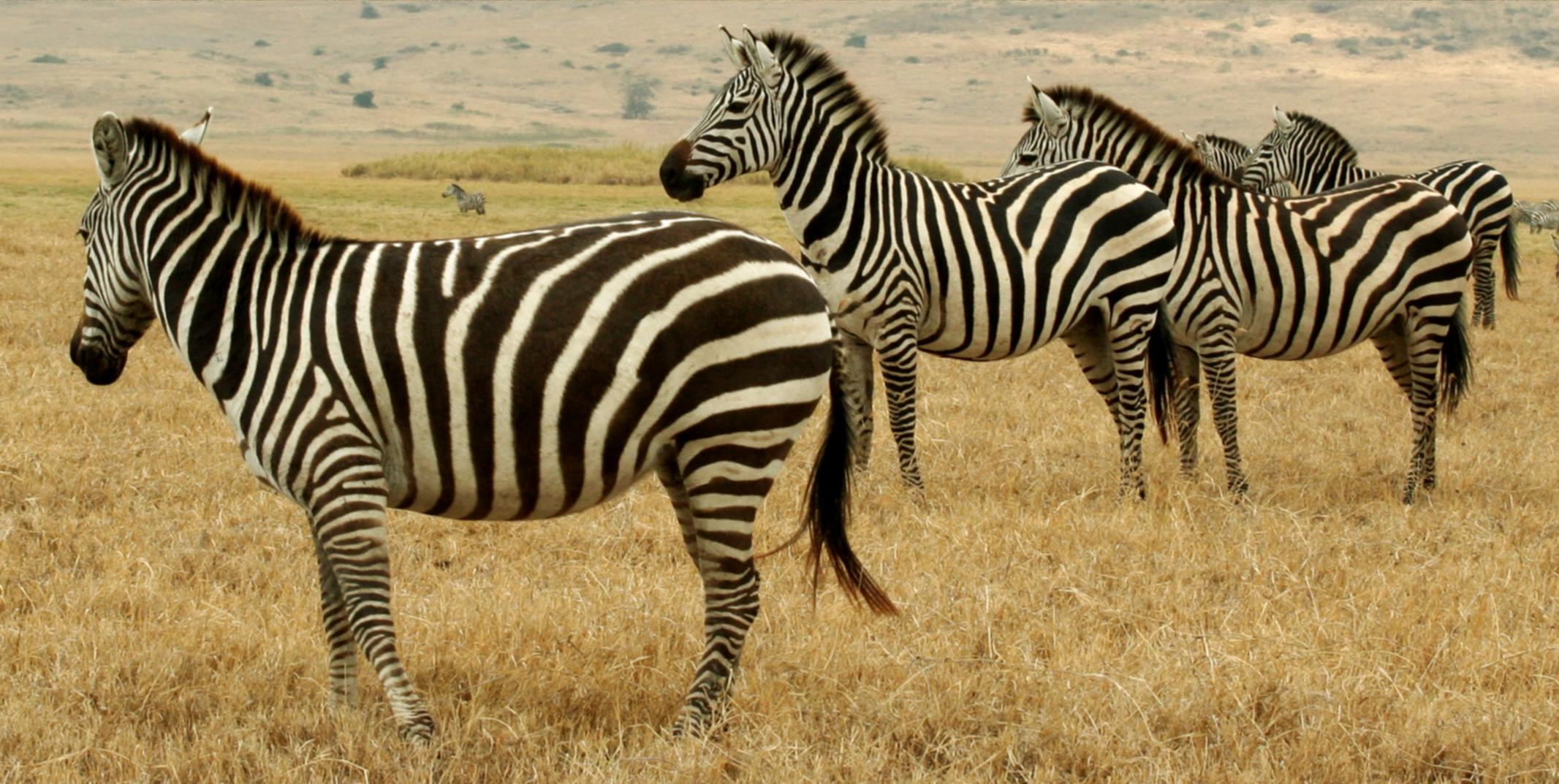
A zebra is, as Wikipedia (and, I believe, Scrubs) so nobly tells us, the medical term for a surprising diagnosis, which rather begs the question of what we should call those stripey ponies running around in nature documentaries. It comes from the aphorism that when you hear hoofbeats behind you, you don't expect to see a zebra. This is a wise observation which is totally inapplicable to anyone who lives in the African plains, but as it was coined by an American doctor in the 1940s, this oversight may perhaps be forgiven. The point is that when a doctor is presented with a set of symptoms which may be caused by a common illness or an uncommon one, the logical assumption should be that the patient most likely has the more common illness - even though there may be a temptation to go with the more dramatic diagnosis.

I have noticed this idea of being a medical zebra popping up in a few blogs by other people with rare pituitary tumours, particularly in those with Cushing's disease - possibly this is related to the fact that one of the symptoms of Cushing's is the development of dramatic stretchmarks of a stripey and thus zebra-like nature. A few further examples - here, here and here.

A group of Cushing's sufferers at a recent conference.
I guess I count as a medical zebra myself; my symptoms of hyperthyroidism such as tachycardia, hair loss and frenzied blogging** would normally be considered as indicating Graves disease or something - and even when the more common thyroid malfunctions were ruled out, it was considered more likely that I had a condition called Resistance to Thyroid Hormone than thyrotropinoma. But no, my body had picked the most unusual way it could think of to break down, and I was neither a horse, nor a pony, deer, mule, donkey, nor any one of a number of hoofed creatures which are more common in the UK than zebras.

Neighbours of Lord Rothschild may not only have expected to see zebras when they heard the sound of hoofbeats, but also had to leap out of their way.
Medical zebras are a tricky subject, on the whole, and there's obviously a balance to be struck. While it can be frustrating for those of us with unusual conditions to think that we waited a long time for a diagnosis, it would be far worse if doctors went around ignoring common diagnoses in favour of the weird ones. Equally though, doctors should be aware that just because something's weird and unusual doesn't mean it's not sitting in front of you - as anyone who's come face-to-face with Boris Johnson could tell you.

It's enough to make you wonder how rare your condition would have to be before you were considered a medical okapi...

______________________________________________
*Unless someone had painted a horse to look like a zebra. Which would be a pretty weird thing to do.

**Hint: one of these is not actually a symptom.

Monday, 20 August 2012

IMFW: Harvey Cushing

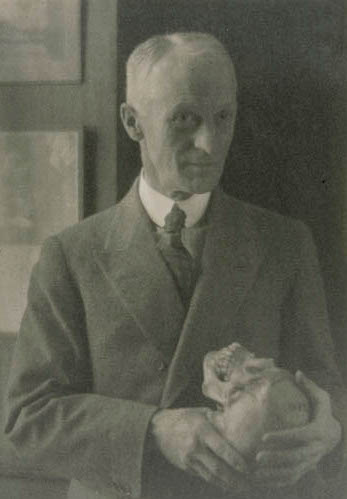
This week's IMFW is really more like an IMPW - an Interesting Medical Person of the Week. Harvey Williams Cushing is often regarded as the "father of modern neurosurgery".

An American descended from a long line of doctors, he was born in Ohio in 1869. After studying medicine, he went on to study surgery at the famous Johns Hopkins Hospital just after it had opened, then spent time in Europe before returning to Johns Hopkins as an associate professor in surgery. As well as writing about medicine, he was a talented medical illustrator and several of his drawings were published in textbooks - and as if that wasn't enough, he received the Pulitzer Prize for Biography for his biography of his mentor, William Osler.

Cushing's first monograph was on the subject of the pituitary, and on this blog, you'll have heard Cushing's name from one of his most famous discoveries, the disease named after him - Cushing's Disease; a tumour of the pituitary gland which secretes ACTH (adrenocorticotrophic hormone) and causes a range of symptoms including weight gain, bruising, sweating, high blood pressure and diabetes. Being a modest chap, he had originally named it "polyglandular syndrome", but his name stuck. However, this was far from his only contribution to medicine:

- He introduced blood pressure measurement to America

- He used x-rays to diagnose brain tumours

- He developed medical instruments which are still in use today, including the Cushing Forcep which is used during cranial surgery, the Cushing clip - a small clip for blood vessels to stop bleeding during surgery, which dramatically decreased mortality rates - and the use of electrocautery which he developed with W.T. Bovie, a physicist

- Along with a colleague, Ernest Codman, Cushing devised the first anaesthetic chart to help surgeons and anaesthetists monitor pulse, temperature and breathing - an innovation which was widely adoped

- Cushing pioneered many new surgical techniques including the use of saline for irrigation during surgery

- He developed a surgical cure for trigeminal neuralgia

- His mortality rate was around 10% - which doesn't sound hugely impressive until you realise that before he came along, mortality rates from neurosurgery were 50 - 90% depending on which source you believe

- He developed the transsphenoidal approach for surgery of the pituitary gland

- He invented the macarena (just checking you're paying attention...)

- He identified and named the phenomena of hypopituitarism and hyperpituitarism

Yes... yes, that is a skull.
 So Mr Harvey Williams Cushing deserves our gratitude and respect. He has thoroughly earned the bewildering array of unpleasant medical things named after him, which include: Cushing's Syndrome, Cushing's Disease, Cushing's symphalangism (a.k.a. proximal symphalangism), Cushing's Reflex resulting in Cushing's Triad (a nervous system response to increase intracranial pressure), Cushing ulcer a.k.a. Rokitansky-Cushing Syndrome, Bailey-Cushing Syndrome (he had to share that one), the Cushing forcep and Cushing clip.

Wednesday, 11 July 2012

The Very Scary Case of Kane Gorny

Before going into hospital last Tuesday, I stopped off at one of my favourite cafes for a hot chocolate, as a pre-hospital treat. I wasn't allowed caffeine in the three days before going in, so I had been suffering from a woeful lack of hot drinks. I got my hot chocolate (which was delicious) and sat down by the pile of daily papers they keep at the cafĂ©. Alas, all the more upmarket titles had been taken, so I had to settle for that peculiar bastion of journalistic achievement: the Daily Mail.

You can imagine my feeling of ill-omen when, immediately before going into hospital overnight for further investigations into my pituitary tumour, I saw that the Mail's headline story was about Kane Gorny, a 22-year-old with a pituitary tumour who died of dehydration in hospital after nurses denied him his medication.

You can read the Mail's story online here. According to the Mail, it seems that after his entirely routine hip replacement surgery, nurses did not give Mr Gorny medication necessary for fluid retention; he became so agitated from dehydration that he called 999 in an attempt to get some water, but was sedated and left unattended overnight, despite his mother raising concerns. Even after his death, the attitude of some members of the nursing staff appears to have been appalling.

I thought I would tackle a couple of questions raised by the reporting on this terrible story, before moving on to look at it as a whole:

What was wrong with him?

 Kane Gorny suffered from a pituitary tumour; that much is certain. The exact details of Mr Gorny's condition are still somewhat sketchy and vary depending on which paper you read, but I'm going to guess that he possibly had acromegaly or Cushing's Disease, from the statement of his endocrinologist that he had a "rare tumour", and the fact that he had joint problems.

Most papers have reported that he had a "malignant" brain tumour or "brain cancer". The tumour may well have been cancerous, but it should perhaps be noted that this extremely rare for pituitary tumours; they are sometimes misreported as malignant due to journalists misunderstanding the condition and the fact that a tumour labelled "benign" may still be very harmful. In any case, I'll be looking at the definition of malignancy/cancer with regard to pituitary tumours in a future post, hopefully within the next couple of weeks, because it's an interesting question.

Why did he need a hip replacement aged just 22?

After pituitary surgery, sometimes the healthy pituitary gland is damaged, leaving it unable to produce certain hormones, including ACTH (adrenocorticotrophic hormone), which stimulates the adrenal glands to produce the steroid hormone cortisol. Without cortisol in the body, you can die quite quickly - consequently, it is standard to give patients steroid pills after surgery until doctors are certain their pituitary gland is able to produce ACTH. If the pituitary gland has been damaged, patients will need to take these pills for life.

Most reports have stated that Mr Gorny's steroid treatment left him requiring a hip replacement; high levels of steroids in the body can lead to avascular necrosis (although not in "a couple of weeks" as one paper initially reported). Additionally, if he did indeed have Cushing's or acromegaly, both of these conditions can adversely affect joints.

How did he die of dehydration so quickly?

A healthy human can live for a couple of days without water, depending on exertion and environmental conditions. Kane Gorny could not. After his pituitary surgery, Mr Gorny was left with diabetes insipidus. This is a very different condition from what we refer to as "diabetes" (diabetes mellitus) and is caused by a deficiency in anti-diuretic hormone (ADH, or vasopressin). Anti-diuretic hormone is secreted by the pituitary gland and helps to control the body's fluid balance. In diabetes insipidus, the lack of this hormone means that the body cannot conserve much of the water which it takes in, and consequently the sufferer becomes extremely thirsty and needs to urinate frequently. Unfortunately, developing this condition is a fairly common side-effect of pituitary surgery and pituitary radiotherapy.

In order to treat his diabetes insipidus, Kane Gorny would have needed to take a drug called Desmopressin (DDAVP), which is a synthetic substitute for vasopressin. As long as he was taking this drug, his body would be able to retain a normal amount of the water he drank, and he would not become dehydrated. When the drug was witheld, his body could not remain hydrated, and he died.

How could the hospital get this so wrong?

Unfortunately this is the question that can't be answered. Kane Gorny's death appears to have been preceeded by a number of absolutely catastrophic blunders at the hospital. His endocrinologists were not informed that he was in the hospital for surgery; his surgeon was entirely unaware of his condition; nurses did not read his notes; no-one listened to his mother's concerns; the list goes on.

Diabetes insipidus is a common problem among pituitary patients, but far more rare in the general population. Endocrine and neurosurgery nurses would likely be familiar with the condition, the importance of the medication Mr Gorny was taking, and the crucial need to monitor his fluid balance. The nurses actually looking after him knew almost nothing about it.

It's a sad fact that there are a hell of a lot of medical conditions in the world. Patients with diabetes insipidus or the inability to produce steroid hormones are encouraged to wear MedicAlert jewellery to alert paramedics and medical staff to their conditions in case of emergency, yet it seems even when medical staff have access to full notes on a patient they can go unheeded. 

Sometimes it gets frustrating when you're in hospital or go to the doctors and are asked for the thousandth time to explain what's wrong with you. In the future I'll try to be more grateful that someone is checking...

_____________________________________________________________________
Kane Gorny's brother is fundraising for CLIC Sargent. You can donate here.


Saturday, 19 May 2012

5 Things Healthy People Miss Out On

Over at Cushie Bloggers for the month of April, some bloggers took part in the Cushing's Awareness Challenge during April; the aim was to blog about something to do with Cushing's Disease every day of April. Well, I don't have Cushing's Disease, and it's now May. But the Challenge includes a list of prompts and suggestions of topics for bloggers with Cushing's disease to write about, and it looks like a good list to me for anyone with a pituitary adenoma to co-opt.

So, my first post from the list is in honour of both Cushing's Awareness and TSHoma Cognisance. And in fairness, I strongly suspect that awareness of thyroid-stimulating-hormone-producing pituitary adenomas is even lower than awareness of Cushing's Disease...

I like to think I am a fairly optimistic and sunny person, so instead of going down the depressing route, I have decided to start with a post focusing on the awesome aspects of being sick. Presenting:

5 THINGS HEALTHY PEOPLE MISS OUT ON
Or: Why It Is Great To Be Me and Be Ill 

1. You always have an excuse.

"Excuse me, madam, but you would appear to have inadvertently stabbed this man".
"Oh, I'm so sorry officer, it must be my brain tumour playing up again. Forgive me."
"Not at all, my good woman. Please continue about your business. And get well soon!"

In fact, I never have stabbed a man, but I fondly imagine that were I to do so, this is roughly how the conversation with the policeperson would go afterwards. Having a tumour in your head is rubbish, but it's one hell of an opportunity to get away with doing what you want.

Want a seat on the bus? Mention the tumour.
Late for a deadline? Mention the tumour.
Want to freak out a stranger? Mention the tumour.
In detail.

2. Improved and terrifying knowledge of medical terminology.

You know, if I didn't have a pituitary adenoma, I would never have heard of adrenocorticotrophic hormone, let alone be able to pronounce it. And now, not only do I have an expanded vocabulary for actual words, but I know the abbreviations too. I know that my form for TFT bloods will check my TSH, FT3 and FT4 - plus usually my endocrinologist requests SHBG and alpha subunit. Because that is just how he rolls.

3. A warm and fuzzy glow about UK taxation.

You know what I don't mind? When, at the end of the month, my paycheck is shrunk by several hundred pounds thanks to paying tax and National Insurance contributions. You know why I don't mind it? Because one monthly dose of lanreotide costs more than twice what I pay in tax. And that's not including the costs of my regular visits to the doctor, the nurse, the hospital, my other prescriptions, my MRI scans, my surgery, my blood tests.

I can't imagine how horrendous it would be to have to pay for this stuff in a country without a decent national healthcare system.

4. Joie De Vivre

It sounds pretty cheesy to say that being ill gives you a newfound appreciation for life. That's because it is a cheesy thing to say. However, it is also true. The feeling of achievement when, after pituitary surgery, you manage to very slowly walk the ten minutes to the nearest pub is as satisfying as learning to play the tuba. Probably more satisfying, in fact. After all, I've never met a happy tuba player.*

5. Writing this blog

I would never in a hundred years have managed to keep up writing a blog this long (since last August… that's ten months!) if I had not been ill. No matter what topic I picked, it would surely have lapsed, just like every other diary I've ever attempted to write has lapsed, usually within about a week. But writing so often has been really good for me; it's improved my style, it's made me more comfortable with just sitting down and typing - and searching for Interesting Medical Facts of the Week has taught me a hell of a lot. And being ill is what has made me keep this up. I can't ever lapse for long, because there's always going to be something I want to complain about.

_____________________________________________
*Disclaimer: I have never met a tuba player.

Tuesday, 24 April 2012

Belated: Cushing's Disease Awareness Day

So it turns out that the 8th of April was Cushing's Disease Awareness Day, and I completely missed it. Not least because it was Easter Sunday, i.e. the first day I could eat chocolate again having given it up for Lent. It does seem cruelly ironic that the awareness day for a terrible disease, a key symptom of which is central obesity, should fall on a day that the rest of the world dedicates to filling their faces with fatty treats.*

Anyway, dedicated readers of my blog already know what Cushing's Disease is, but for everyone else: Cushing's Disease is caused by a tumour, known as an adenoma, on the pituitary gland. The tumour produces high levels of adrenocorticotropic hormone (ACTH) which can result in obesity, high sweating, hair loss, hypertension, diabetes, headaches, painful joints, and other not-so-fun symptoms. Treatment is chiefly through surgery and radiotherapy, as Cushing's is difficult to treat with medication.

There's a group of bloggers who suffer from Cushing's Disease who've been doing the "Cushing's Awareness Challenge", blogging on a different topic about their illness for every day of April. You can find out more about the challenge and read some of their blog posts by clicking here.

______________________________________________
*Well, I do anyway.

Friday, 2 March 2012

A New Treatment for Cushing's Disease?

I've just been reading about a drug called Pasireotide. It's been around for a while, but on January 23rd this year, the European Medicines Agency's Committee for Medicinal Products for Human Use recommended that pasireotide be approved for use in the treatment of Cushing's Disease. This is exciting, because Cushing's Disease - in which a benign tumour of the pituitary gland causes the body to release excess steroid hormone - has long been very difficult to treat medically, with surgery and radiotherapy being the main treatments. But they're not always appropriate or successful for every patient.

Pasireotide (brand name Signifor, developed by Novartis) is a somatostatin analogue - like the medication lanreotide, which I take at the moment to prevent my own pituitary tumour from releasing thyroid-stimulating hormone. Like lanreotide and octreotide, the two somatostatin medications currently on the market, pasireotide looks likely to be effective in treating acromegaly and neuroendocrine tumours; unlike them, it appears to be much more effective at blocking tumours from producing adrenocorticotrophic hormone.

At the moment, there are no approved medicines in Europe for the treatment of Cushing's. Other drugs are used in practise, off-label, but with less data about their safety and effectiveness against the disease, so for Signifor to be approved would be a very significant step. The European Commission looks set to make its decision in the next few months.

Wednesday, 15 February 2012

Acromegaly: A Monstrous Illness?

Last week I wrote about the first of two websites which got me thinking about acromegaly, and I've been thinking away all weekend. The second thought-provoker was this post, on a blog about horror films, which mentions the little-known 1944 film The Monster Maker. Why is this film of interest? Because the plot centres around acromegaly. Kind of. Let's just say that The Monster Maker is to acromegaly as The Core is to science.

Brief disclaimer: I haven't watched this film, just read about it. But here's a rough synopsis; I can't imagine anyone's too worried about spoilers for a film that came out almost seventy years ago.

We start with one mad scientist, Dr. Igor Markoff.* Years previously, he injected his wife with the "acromegaly virus" for the rather melodramatic reason that he wants to disfigure her so that no other men would want her. Consequently, she committed suicide. In the present, he comes across Patricia, the daughter of a famous pianist, who just happens to look exactly like his dead wife. Before she developed acromegaly, presumably.

But Patricia isn't interested in Markoff's subtle advances.** So obviously, the logical course of action is for Markoff to infect her father with the "acromegaly virus" as well, and then use the prospect of a possible cure to blackmail him into getting her to marry Markoff. The ending of the film seems somewhat confused, but by all accounts it appears to involve a man in a gorilla suit. Because... well, why the hell not?

Leaving aside the dodgy science, and indeed the gorilla, this film sounds interesting. Patricia's father, Anthony Lawrence, becomes sick and deformed, taking on the appearance of a monster thanks to some serious effort on behalf of the makeup department; Igor Markoff looks entirely normal, except for his trademark I'm-an-evil-genius goatee. Lawrence's appearance inspires fear in the viewer; Markoff is the real monster. The moral of the story is so crushingly obvious that a child could pick up on it, although these days most children would probably be complaining that the film isn't scary enough - and besides, it's in black and white! What's that about? And why didn't they just CGI the gorilla? Seriously, WTF.

But people who suffer from disfiguring diseases like acromegaly and Cushing's Disease in real life don't have the advantage of B-movie actors and low budget sets to ram this point home to every stranger they run across in their daily life.

Acromegaly sufferers often experience discrimination because of their appearance. In advanced cases, as well as facial deformity and increased height, massive growth of soft tissues may give the impression of being overweight. The resultant discrimination can be particularly bad for women; activist Tanya Angus has spoken about how she's treated differently since developing the condition.

 Similarly, in Cushing's Disease, a pituitary tumour causes sufferers to put on weight, often to the point of obesity. Not for nothing has it been called "the Ugly Disease". But strangers don't know that; most people are likely to think that a person is overweight due to greed. To quote a Ricky Gervais joke "We all eat too much in the West. But it's people who say it's glandular, isn't it? It's not glandular, it's greed". Well, sometimes... it is glandular. It's pituitary glandular, it's adrenal glandular, it's thyroid glandular. Glands can seriously screw you over, as I have learned. It's difficult enough being diagnosed with a serious, hard-to-treat illness which causes physical pain and makes you fat and destroys your self-esteem. But to also have to put up with abuse from complete strangers who refuse to believe you're even ill must be horrific. And because Cushing's usually takes a long time to diagnose, sufferers often go years believing that it's their fault that they're putting on so much weight, even though they're eating healthily and exercising well.

These are problems that need to be addressed. It's bizarre that while it's now (happily) seen as unacceptable to discriminate against people on the grounds of race, gender or sexuality, discriminating against people who are overweight, and making assumptions about their medical conditions, seems to be ok.

________________________________________________________
*N.B. that it's very important for mad scientists to have vaguely foreign-sounding names.

**He sends her flowers every single day, filled with creepy notes and messages. Oh, and he watches her continually. No matter what Twilight's told you, boys, stalking is not a romantic way to woo a lady.

Wednesday, 1 February 2012

The Wonderful Thing About Hormones, Is - SHUT THE HELL UP I HATE YOU

Now, as you may or may not have noticed, I am of the female persuasion. And one of the irritating things about this is that, when you get annoyed, no matter how legitimate your grievance, there are a few gentlemen dotted about the place who will always respond with "LOL IT MUST BE HER TIME OF THE MONTH HAHA WOMEN EH AND THEIR MYSTERIOUS HORMONAL PROBLEMS CAN'T LIVE WITH EM CAN'T KEEP EM ON A CONTINUOUS DIAZEPAM IV TO CORRECT THEIR CRAZY LADY ISSUES".

The trouble with this reaction is not just that it is stupid, but also that there is no way of responding to it that does not justify the accusation in the minds of the accusers. If you remain silent, it implies that you agree. If you punch them in the face, this is taken as further evidence of "hormonal imbalance", when in fact it is self-evidently the correct course of action.

But anyway, my experiences over the last year or so of undergoing treatment for my pituitary macroadenoma have certainly made me appreciate The Power of Hormones. And that's what we're going to learn about today.

So what are hormones? Obviously, as we all kind of slightly know, they're like chemically things that sort of slosh around your body, and if they get imbalanced then you go mental and start shouting at people and probably have a hot flush.

On closer examination, this sounds suspiciously like the theory of the four humours, so I turned to Wikipedia for a delightfully un-technical definition: "A hormone is a chemical released by a cell or gland in one part of the body that send out messages which affect cells in other parts of the organism… In essence, it is a chemical messenger that transports a signal from one cell to another."

The pituitary gland is a little gland at the base of the brain, and it sits around all day secreting nine different types of hormone which help to regulate growth, metabolism, water balance, lactation, aspects of preganancy and childbirth, body temperature, blood pressure and more. Given the complex feedback mechanisms required to keep all these hormones in balance, it's easy to see that when you develop a pituitary adenoma which secretes hormone(s), it throws everything completely out of whack.

Pituitary adenomas may secrete growth hormone (acromegaly), adrenocorticotropic hormone (Cushing's disease), prolactin (prolactinoma), or as in my case thyroid-stimulating hormone (TSH-oma). But then it gets complicated, because each hormone may interact with and affect the levels of other hormones as well. So, for example, in my case my body was producing too much thyroid-stimulating hormone, which caused my body to produce too much thyroid hormone, which had a knock-on effect on other hormones including prolactin and SHBG (technically not a hormone itself but a glycoprotein which affects the levels of other hormones in the body). It's basically like your body has spent ages laying out a complex pattern of dominoes on the floor, in which one starter domino needs to be flicked for them all to neatly fall over, and then some buffon comes tramping in wearing giant boots and stomps right in the middle of them. Lots of the dominoes fall over, some don't, and it's a bloody nightmare trying to set it all up again.

So, this time last year, my hormones were completely messed up and I was experiencing all kinds of crazy symptoms; rapid heartrate, hair falling out, massive appetite etc etc. And then I started treatment with lanreotide injections - the same injections that I'm having at the moment - and started to see an improvement in my TSH levels, which continued for several months and has only just got worse again (damnit!).

I already knew about The Power of Hormones. When your heart's going at 140bpm it's hard to ignore. But I hadn't really been prepared for the fact that when I began treatment, my changing hormone levels would affect me in more ways than simply improving my symptoms. The same thing has happened again in the past week or so since having my first injection. The first thing to arrive, just like last year, was the Crazy Appetite Swings. On Sunday, I had no appetite. I could happily have eaten nothing all day; just having a coffee in the morning made me feel really full. On Monday, I was back to normal; by Tuesday, I was completely ravenous.* There will probably be weeks of me alternately spending days completely uninterested in food, and then making like the Very Hungry Caterpillar and eating my way through anything placed in front of me, up to and including my own desk.

But the Crazy Hunger Swings are not so crazy as the Crazy Cat Lady Mood Swings. I guess I am fortunate in that my mood swings haven't tended too much towards the angry thus far,** but rather to the excessively emotional. For example, yesterday I was walking home from work, listening to my ipod as per usual, when all of a sudden and to my intense embarassment I burst into tears at a Beyonce song. I'm not going to say which song, out of shame, but the fact that I had this sudden surge of emotion struck me as rather hilarious and I then started giggling, so I was walking home laughing and weeping like a complete maniac and generally very glad I didn't see anyone I knew en route. I'm going to try my best not to adopt hundreds of cats and live in a bin liner, but at the rate I'm going the position of local madwoman may well be within my reach very shortly.

After a few more weeks of treatment, hopefully my hormones should be more in balance, but until that happy day every time my eyes well up with tears at the sight of a cute piglet in a teacup, I shall remember The Power Of Hormones.

_______________________________________________________________
*Admittedly not ravenous enough to eat the horrific curried parsnip soup I had for lunch at work, though.

**Although last year I would occasionally find myself becoming suddenly and irrationally furious if someone, say, dared to walk in front of me on the pavement. Happily, as soon as I recognised I was being silly the feeling would go away.***

***And if that didn't work, I used to just push them into the path of oncoming traffic.
Sunday, 22 January 2012

One In Five

Research has shown that one in five people harbour a pituitary tumor.

It's not like harbouring a boat, or harbouring a fugitive; the vast majority of people don't even know the tumor is there, and it might never trouble them. This means that if you're part of an average all-American family, if you don't have a pituitary tumor, and your parents don't have a tumor, and your sister doesn't have a tumor - it's probably the dog.*

It also means that those of us who are deeply and continually troubled by pituitary gland problems are unlucky creatures, who should stop their whining already.

__________________________________________________
*This is actually true - dogs suffer from Cushing's disease, most commonly caused by a pituitary adenoma (tumor) producing too much adrenocorticotropic hormone (ACTH), at a relatively high rate. Treatment of Cushing's in dogs is actually being used as research into more effective treatments in humans.

Thursday, 12 January 2012

A Weighty Matter

Traditionally there are two things you're not supposed to ask a woman: her age and her weight. This fact has led me to conclude that the staff at my local hospital are ill-mannered oiks, because every time I visit they demand to know my date of birth and promptly stick me on some giant hospital scales (I once had a go in a hospital weighing chair. It's just like a normal chair… except that when you sit in it, it weighs you. Surprise!). I am led to understand that they do this to everyone at the pituitary clinic, presumably because so many pituitary problems can affect your weight. Cushing's disease can lead to significant weight gain; acromegaly can as well, and thyroid hormone disturbances can have disturbing consequences for the waistline.

Before beginning treatment with lanreotide last January, I had presumably been hyperthyroid (ie. had too much thyroid hormone) for at least a year, given my symptoms. Hyperthyroidism is "supposed" to lead to weight loss, by affecting the metabolism; hypothyroidism (having too little thyroid hormone) leads to weight gain. In my case, though, this didn't hold true; I'd been hyperthyroid for a long time without weight loss, and in fact it was when treatment began to reduce my thyroid hormone levels that I started to lose weight, because I found that it reduced my appetite from "extremely peckish" to "normal person". It had never occurred to me previously that my appetite was unusually high* - but as it turns out, the hyperthyroidism caused by my pituitary adenoma was giving me an appetite which more than matched my raised metabolism. When I did begin to lose weight, the lanreotide injections may also have nudged things along, because they effectively turn off your gall bladder for a few days after each injection - the gall bladder stores bile, which aids in the digestion of dietary fats, so the lanreotide leaves the body less able to digest fats for a few days each month. Effectively it's an imbalance of the humors.

But anyway, the short story is that I've lost just about a stone over the last year, pretty slowly but steadily. A stone might not sound much compared to the stories of vast weightloss that WeightWatchers et al may peddle you, but it's over 10% of my bodyweight. That's quite a bit.

The pros of losing weight:
1. Being thinner!
2. More piggyback rides may be demanded from boyfriend
3. Getting to buy a bunch of new clothes

The cons of losing weight:
1. Having to spend a load of money on a bunch of new clothes
2. It worries my mother
3. Newfound paranoia about getting really chubby

Previously, I had never really worried about putting on gallons of weight,** but unfortunately the whole experience has underlined for me the fact that, if I can suddenly lose so much weight without trying, I could just as easily gain it, should my hormones decide they want to screw me over in a whole new way. That is a scary thought. Everyone always tells you that as long as you eat right and exercise you've nothing to worry about, and the cruel common wisdom is that everyone who's fat brought it upon themselves - but the fact is that's not always true; as I mentioned earlier, the symptoms of pituitary tumours often involve weight gain. People with Cushing's disease can eat incredibly strict rations and still put on a lot of weight; over the last year, I've experienced for myself how much even relatively small changes in thyroid hormone levels affect appetite, as well as weight and metabolism. Even right at the beginning of my lanreotide treatment, when my thyroid levels had only dropped slightly, my appetite suddenly crashed back to earth, and throughout the year it has noticeably fluctuated from month to month.

I'm really lucky that my weight change has, so far (and fingers crossed) been in an ok direction, but I can't help but worry that, should I need more treatment in the future, that might change; surgery and radiotherapy both have the potential to knock out my body's ability to produce various pituitary hormones and leave me hypothyroid rather than hyperthyroid

I now have a nightmare where I have to use the extra-large doors they have installed in the hospital for obesity clinic patients. I'm hoping that will only happen if 80's style shoulder-pads come back into vogue.

God forbid.

______________________________________________________________
*Well ok, it had, but I thought I was just extremely greedy.

**Well ok, I had, but only after watching the BBC's classic (and unspeakably horrific) programme Super Size Ambulance.

Friday, 16 December 2011

Addisonian Crisis... or stressful football match?

I found an article on BBC News about how a woman was recently diagnosed with Addison's Disease, and one of the key clues to her underlying condition was her extreme response to the stress of watching particularly close and high profile football matches. They think that treatment for her condition may have cured her extreme reaction to tense games of football... but they can't be sure because her treatment and diagnosis has happened at the same time as a run of easy matches for her favourite team!

Addison's Disease is a medical condition which occurs when the body does not produce enough cortisol, a steroid hormone - basically it's the opposite of Cushing's Disease. Some people who suffer from pituitary problems due to a pituitary tumour, or after surgical removal of a tumour, are unable to produce ACTH, the pituitary hormone which stimulates the body's production of cortisol, and consequently they need to take steroids to make up for the lack of cortisol. The tricky part is that the body needs more steroid hormone when it's under stress, so when people who take steroids are sick or injured, they need to double their dosage.

After pituitary surgery, most people including me, go onto steroid replacement pills just in case there's been any damage to the part of the pituitary that produces ACTH, and take them until doctors are sure that the body is producing steroids naturally.

The aim of this is to make sure they don't suffer an Addisonian crisis, which is an acute medical emergency where there is a severe shortage of cortisol, usually in a high-stress situation. If untreated it can lead to death or coma, so people whose bodies don't produce cortisol on their own usually have some form of medical ID in case they're in an accident, to inform paramedics that they will need steroids immediately.

Thursday, 15 December 2011

Famous People with Cushing's Disease?

Being a blogger with a TSHoma (a.k.a. TSH-oma,* a.k.a. thyrotropinoma, a.k.a. a freak) has its pros and cons. On the plus side, as far as I can tell I have definitely found a niche in the market - no mean feat, given the number of enthusiastic and generally excellent blogs written by people with everything from diabetes to acromegaly. On the down side, there's none of that nice cosy caring and chit-chat over tea and lanreotide injections that you get from support groups with other people. People who understand how rubbish it is that your heart's going too fast/your hands have grown enormously/your nose just fell off. So being me, I have been ambling around the internet, happily barging into other people's support groups and demanding to be paid attention because I have a tumour on my pituitary gland too.

A little while ago I found the lovely Acromegaly Bloggers, and more recently bumbled across a blogging group for people with Cushing's disease, called Cushie Bloggers. People with Cushing's disease can at least console themselves with the fact that referring to themselves as "cushies" makes them sound incredibly cute and fluffy and generally charming.

But anyway, finding the blog and reading the experiences of some of the bloggers got me thinking: in an earlier post, I went on a hunt for famous people with pituitary adenomas. Obviously there were no cases of TSHoma/thyrotropinoma - that would be too much to hope for. But there's Russell Watson with his unspecified adenoma, and numerous celebs with acromegaly - even more than I included in my post, in fact: acromegalovelies are all over the shop, from Andre the Giant to Pio Pico.

But where are all the famous Cushing's sufferers?

I've found it difficult to find information specifically on the incidence** of Cushing's Disease, probably due in part to the fact that it's a subtype, as it were, of Cushing's Syndrome, accounting for about 70% of endogenous Cushing's syndrome cases. I have found the incidence of such new cases quoted as about 13 cases per million, so we're talking 9 new cases per million per year, compared to an incidence of 3 - 4 new cases of acromegaly per million, per year. So it is seemingly rather more common than acomegaly, although the massive tendency towards underdiagnosis of both illnesses (and TSH-omas as well) makes these rather shaky figures.

Given that it's relatively easy to find well-known figures suffering from acromegaly (even outside the field of sports, where young sufferers' large frames could be considered to give them an attractive advantage in sports like basketball or wrestling) and given that Cushing's is more common, you'd think it would be easier to find a celebrity with Cushing's. (You'd also expect to find people with prolactinomas, but I suspect that (particularly male) celebrities might prefer to generalise prolactinomas as "tumours" rather than publicly imply that they're leaking milk from their manboobs.) Celebrities diagnosed with Cushing's, on the other hand, are (I would have thought) surely be more likely to publicise their condition, to explain that any excess weight gain was not due to greed or laziness but a medical condition.

So where are they all? I've looked around the place and all I can find is a vague hint that Elvis may have had Cushing's syndrome (as distinct from the disease, Cushing's syndrome does not necessarily imply a pituitary tumour, but could be caused by steroid overdose or adrenal tumours etc). If true it would certainly be something of a PR coup for cushies, but one article in the Daily Mail is not much to go on. The Daily Mail seems to have a little bit of a penchant for Cushing's Disease (is there a sufferer amongst the editorial staff?) and I've also found an article suggesting that King Henry VIII may have had Cushing's Disease. Who knows? When it comes to historical figures, it's fun to speculate, but speculation is all it can remain.

The only - literally the only - modern-day sufferer I've found who comes close to the designation of "celebrity" is J. Jordan Bruns, an artist featured in this article - but he's not exactly a household name, lovely though his art is.

Come on cushies, come out from the woodwork!

UPDATE: If you're interested in reading about famous people who suffer from pituitary tumours, see my other posts looking at famous pituitary ademoaners here and here; my post about Russell Watson, the opera singer who had a pituitary tumour; or check out my post looking at famous women with acromegaly.
___________________________________________________
*Never doubt the power of punctuation. If you search for the wrong one, Google will offer you Tshoki Tshoma's naked photos. Nice.

** I would prefer to write about prevalance but I've found it harder to find figures for that.